Clay Tile vs Natural Slate Roofs in Winchester: Costs and Which Fits a Period Home
Walk through the historic streets around Winchester Cathedral and you're looking at two materials over and over: warm handmade clay tiles and cool grey natural slate. Both have covered roofs in this city for centuries, and both are still the right answer for many homes here, but they suit different buildings and different budgets. Around 60% of the older roofs in the Winchester area are clay or natural slate rather than modern concrete, and with local house prices sitting well above the Hampshire average, getting the roof material right genuinely affects what your home is worth. Choose the wrong one for a period property and you can knock value off and, in a conservation area, fall foul of the planners. This guide walks through how clay tiles and natural slate really compare on cost, lifespan, weight, and looks, and which tends to suit a Winchester period home. By the end you'll know which way to lean before you start getting quotes.
The Winchester Context: Why Material Choice Matters Here
Winchester isn't a place where you can slap any roof on any house. Roughly 1 in 12 homes carries a heritage designation, and large parts of the city sit within conservation areas where the council pays close attention to roofing materials. On a listed or conservation-area property, swapping traditional clay or slate for cheap concrete tiles can trigger enforcement and will almost always hurt the look and value of the building.
The local climate shapes the choice too. Winchester gets around 750mm of rain a year and long damp winters, so whatever goes on the roof has to shed water reliably for decades. Both clay and slate do this superbly, which is exactly why they've lasted here. Before you commit, it's worth having someone assess your existing roof structure, since the two materials weigh different amounts. Roof Repairs Winchester can survey your roof and tell you what your rafters and walls can carry.
There's a trade point as well: skilled slaters and tilers who work to a heritage standard are in shorter supply across Hampshire than general roofers, so book early if you want the good ones.
Clay Tiles: Warmth, Character, and Local Tradition
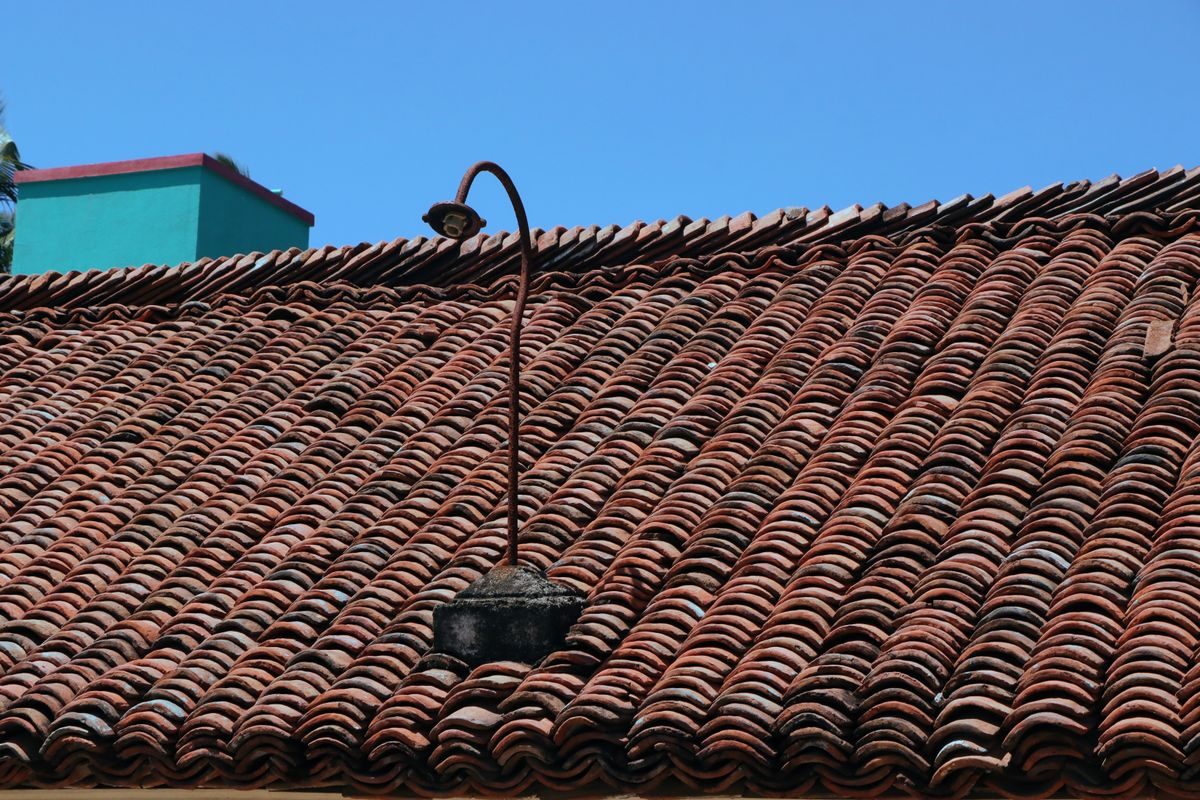
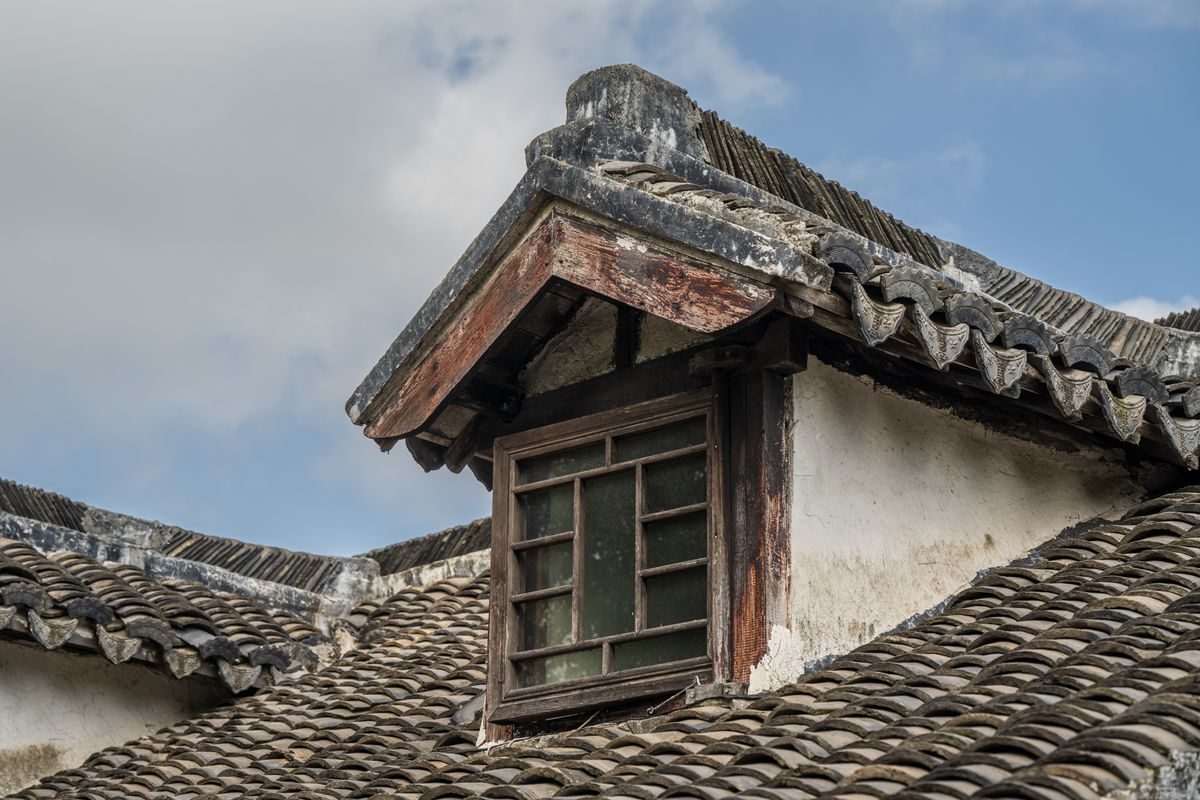
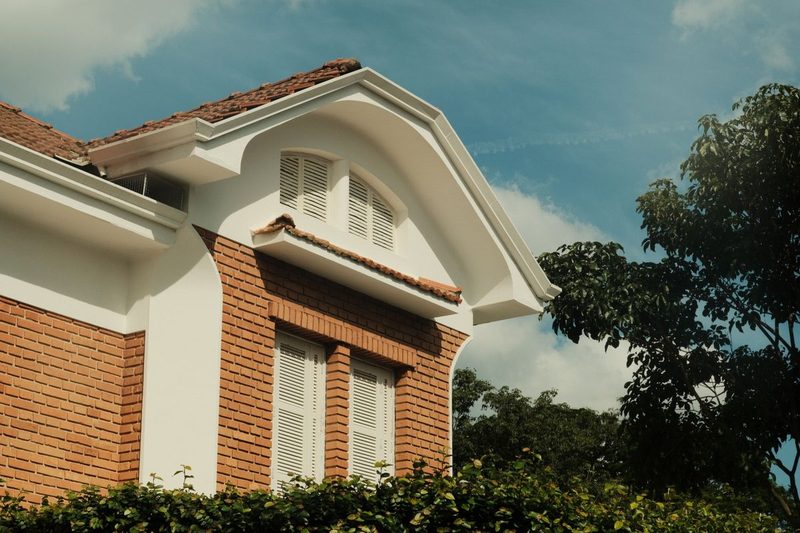
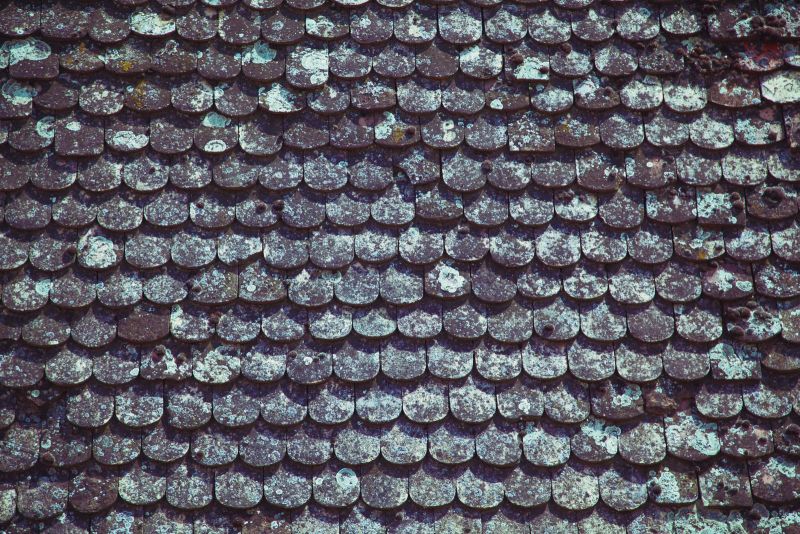
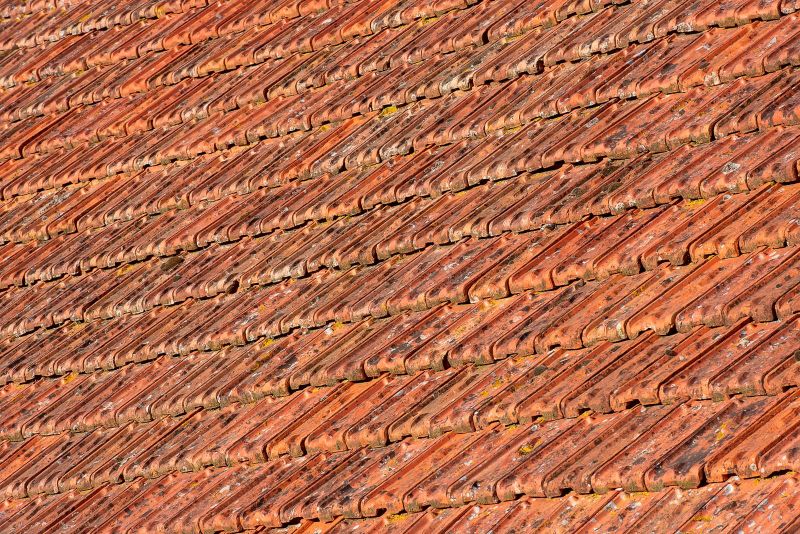
Clay plain tiles are the classic Winchester roof for a reason. They weather to a soft, varied orange-brown that sits beautifully against the city's brick and flint, and no two roofs look quite the same. Handmade clay tiles in particular have a slightly irregular surface that catches the light in a way machine-made tiles and concrete simply can't match.
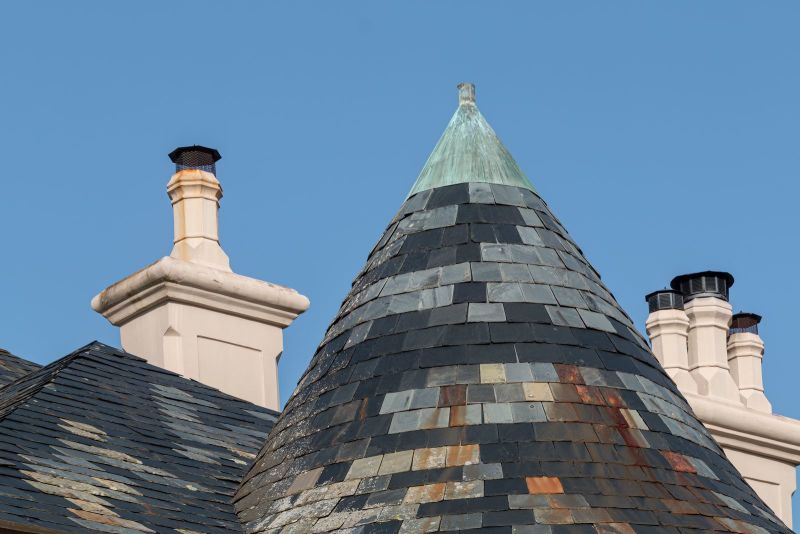
On performance, clay is hard to beat. A good clay tile roof lasts 60 years and often well over 100, and the colour doesn't fade because it runs right through the material rather than sitting as a surface coating. That's a big advantage over concrete tiles, whose colour typically fades noticeably within 15 to 20 years.
Where Clay Works Best
Clay plain tiles suit the many Winchester houses built with a steeper roof pitch, generally above 35 degrees, because small tiles need that slope to shed water well. They're the natural match for Victorian, Georgian and earlier cottages across the city and villages. On a listed clay roof, the conservation officer will usually expect handmade clay replacements rather than machine-made lookalikes, so factor that into your budget.
Natural Slate: Sleek, Long-Lived, and Low Maintenance
Natural slate is the other great Winchester roofing tradition, especially on Victorian terraces and larger period homes. It gives a crisp, flat, uniform finish in cool grey or blue-grey that reads as smart and understated. Where clay is warm and rustic, slate is sharp and elegant, and it suits the more formal Victorian and Edwardian properties around the city.
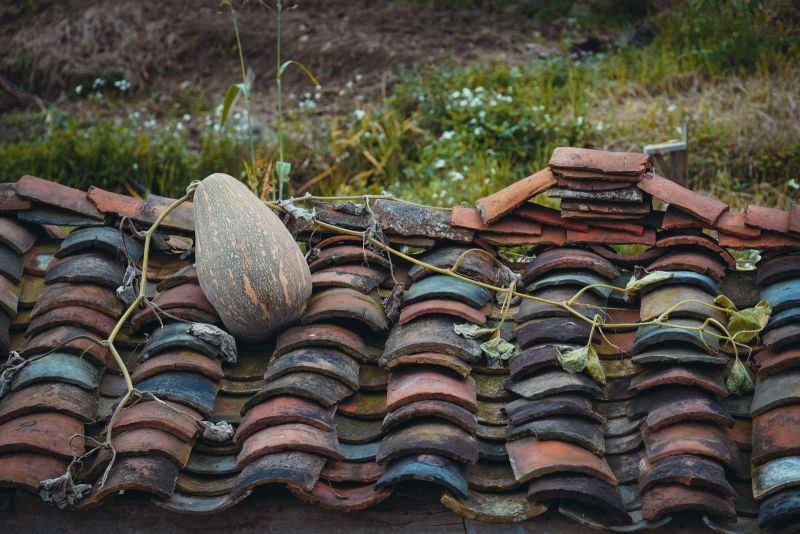
Slate's headline is longevity. Good Welsh or Spanish natural slate can last 80 to 100 years or more, and some Victorian slate roofs in Winchester are still going strong at 150 with only minor repairs. It's also low maintenance, sheds water beautifully at lower pitches than clay plain tiles, and is naturally resistant to moss and frost, which matters through a damp Hampshire winter.
The trade-off is cost and weight. Natural slate typically costs 20 to 40% more than clay to supply and lay, partly because it's a skilled job and partly because top-quality Welsh slate is expensive. Reclaimed slate is often used on period roofs to match the weathered look and can be a little kinder on the wallet.
Weight, Structure, and Your Winchester Roof
This is the practical detail people forget. The two materials load your roof differently, and on an older Winchester property with original timbers it genuinely matters. Clay plain tiles are heavy, at roughly 65 to 75kg per square metre once laid, because you need a lot of small tiles per area. Natural slate is lighter, at around 25 to 45kg per square metre depending on thickness.
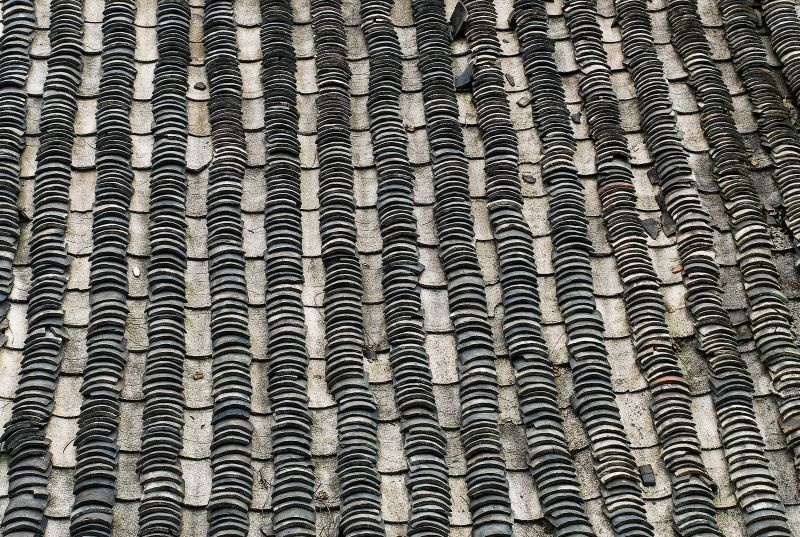
If your roof was built for one and you switch to the other, the structure may need checking or strengthening. Going from slate to clay, for instance, adds significant weight that century-old rafters weren't designed for. This is why a structural survey before you decide is money well spent, not an optional extra.
On a period or listed property the safest route is usually to match what's already there, both for planning reasons and because the original builders sized the roof for that material. Around 3 in 4 of the heritage re-roofs we quote end up matching the existing material for exactly this reason.
Planning, Conservation Areas, and the Rules
Material choice on a Winchester roof isn't only about taste and budget, because the planning rules can make the decision for you. On a listed building, re-roofing in a different material almost always needs listed building consent, and the conservation officer will expect a like-for-like match in clay or slate. Getting this wrong is a criminal offence, so always check first.
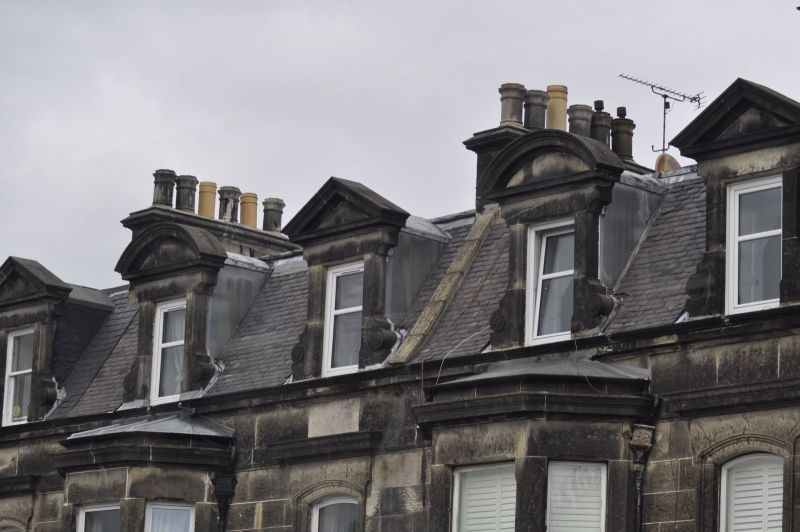
In conservation areas, which cover much of central Winchester, permitted development rights are often restricted and the council can require that roofing materials match the character of the area. You can check whether extra controls apply to your home using the government's guidance on planning permission and conservation area rules in England, and it's worth a quick call to Winchester City Council before you commit to a material.
For non-designated homes you usually have a free choice between clay and slate, but even then, matching neighbouring roofs helps resale value on a street where character counts. The National Federation of Roofing Contractors offers useful background on materials and standards in its NFRC advice for homeowners on choosing a roofing contractor, which is a sensible read before you commission any re-roof.
What Clay and Slate Roofs Cost in Winchester
Costs depend on roof size, pitch, access, and whether you're matching heritage materials. As a 2026 guide for Winchester:
New clay plain tile roof, machine-made tiles, standard semi: £9,000 - £16,000.
New clay plain tile roof, handmade tiles for a period or listed home: £14,000 - £28,000.
New natural slate roof, standard Victorian terrace or semi: £12,000 - £22,000.
New natural slate roof, top-grade Welsh slate on a larger period home: £20,000 - £40,000+.
Reclaimed clay or slate to match an existing heritage roof: add 15 to 30% for sourcing and careful laying.
Scaffold on a tight central Winchester street can add £1,000 to £2,500 on its own, and a heritage roof needing consent will run several weeks longer because of the eight-week consent window. Whichever material you choose, both clay and slate are long-term investments that outlast concrete by decades, so the higher upfront cost spreads over a very long life. We've written more about full re-roof costs for the city elsewhere if you want the wider picture.
---
FAQ
Q: Is clay or slate better for a period home in Winchester?
A: It depends on the property. Handmade clay tiles suit Georgian, Victorian and older cottages with steeper roofs and give a warm, varied look, while natural slate suits formal Victorian and Edwardian homes with its crisp grey finish. On a listed or conservation-area home the safest choice is usually to match whatever is already on the roof, both for planning reasons and for resale value.
Q: Which lasts longer, a clay tile or slate roof?
A: Both are exceptional. A good clay tile roof lasts 60 years and often well over 100, while natural slate can last 80 to 100 years or more, with some Victorian slate roofs in Winchester still sound at 150. Both comfortably outlast concrete tiles, whose colour also fades within 15 to 20 years while clay and slate keep their colour.
Q: How much more does slate cost than clay in Winchester?
A: Natural slate typically costs 20 to 40% more than clay to supply and lay, because it is a skilled job and top-grade Welsh slate is expensive. A standard clay tile roof runs roughly £9,000 to £16,000, while a slate roof on a similar home runs £12,000 to £22,000, rising to £40,000-plus for top-grade slate on a large period property.
Q: Do I need permission to change my roof material in Winchester?
A: Often yes. On a listed building, changing roof material almost always needs listed building consent and a like-for-like match. In conservation areas, which cover much of central Winchester, the council can require materials that match the area's character. For non-designated homes you usually have a free choice, but always check with Winchester City Council first.
---
Ready to work with Roof Repairs Winchester?
Let's connect! We’re here to help.
Send us a message and we’ll be in touch.
Or give us a call today at 01962 462074
Agency Contact Form
More Marketing Tips, Tricks & Tools