Comparing Roofing Quotes in Winchester: What a Proper Quote Should Itemise
Comparing roofing quotes in Winchester can feel like comparing three different jobs, because often that's exactly what you've been sent. Ask three roofers to price the same re-roof on a Victorian terrace in Fulflood and it's normal to get figures 30-60% apart - say £9,500, £13,000 and £15,800 for roughly 70m² of roof. Most of that gap isn't greed or generosity. It's what each quote quietly includes or leaves out: scaffold weeks, the grade of tile, the underlay, the lead, the skip. Winchester makes the spread wider than most places, because so much of the housing stock sits in conservation areas or is listed, and handmade clay tiles and lime mortar cost far more than the machine-made, cement-bedded alternative. The city gets around 800mm of rain a year, less than the UK average of about 1,160mm, but its damp, mild winters are hard on cheap materials. This guide shows you what a proper quote should list, line by line, and how to put two of them side by side fairly.
Why Roofing Quotes in Winchester Vary So Much for the Same Job
The headline number is the least useful thing on a quote. Two roofers can look at the same roof, agree on what's wrong, and still land £4,000 apart because one has priced handmade clay plain tiles and the other has priced a machine-made tile that looks similar from the pavement. If you want a quote you can compare against these benchmarks, you can get a written, itemised quote from our Winchester roofing team and use it as a yardstick for the others.

The biggest swing factors on a typical Winchester pitched roof are:
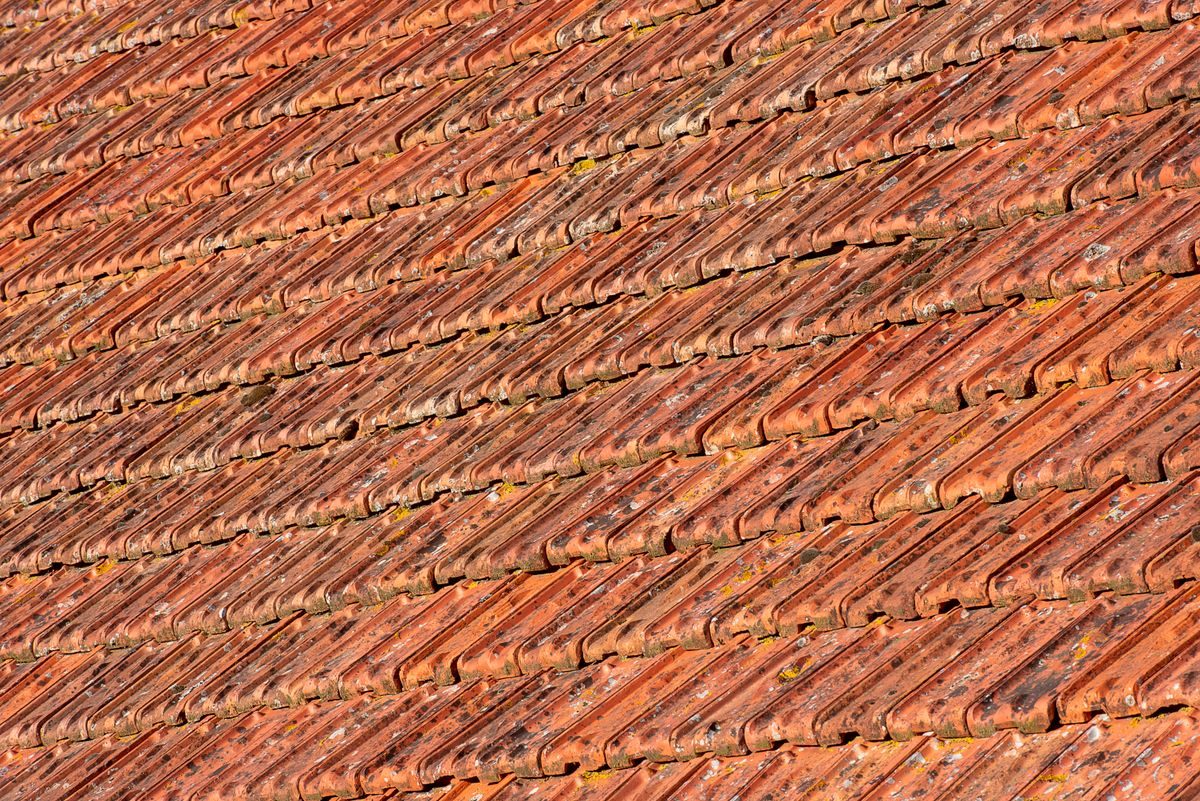
- Tiles. Handmade clay plain tiles run about £1.20-£2.00 each, machine-made clay about 50-80p and concrete less again. At roughly 60 plain tiles per m², that's a £2,500-£5,000 difference on a 70m² roof before anyone lifts a hammer.
- Scaffold. A simple two-week erection on a detached house might be £900-£1,400. A terrace on a narrow street needing a pavement licence and six weeks' hire can pass £3,000.
- Labour days. A heritage re-roof with lime-bedded ridges takes 20-30% longer than a modern dry-fix job.
- VAT. A small trader under the £90,000 VAT threshold doesn't charge it. A larger firm adds 20%. That alone can explain much of a "cheap" quote.
Local supply plays a part too. Hampshire has a shortage of roofers who are comfortable with lime work and traditional leadwork, so the good ones are often booked 6-12 weeks ahead and price accordingly. A roofer who can start on Monday may be cheaper for a reason.
What a Proper Written Roofing Quote Should Itemise
A quote that says "repair roof - £6,500" tells you nothing, and it gives you nothing to hold the contractor to if things go wrong. A proper quote breaks the job into lines you can check. On a full or partial re-roof, expect to see each of these:

- Scaffold: type, number of lifts, hire period in weeks, and who pays for extra weeks if the job overruns.
- Strip-out: removing the old tiles, battens and underlay, and whether sound tiles will be salvaged and reused (on period roofs, 30-50% of old clay tiles can often be saved).
- Tiles or slates by name: manufacturer, product range and colour, not just "clay tiles".
- Underlay: brand and type, ideally a breathable membrane rather than old-style bitumen felt.
- Battens: graded and treated to BS 5534, with the size stated (usually 25x38mm or 25x50mm depending on rafter spacing).
- Leadwork: the code of lead for each detail - flashings, soakers, valleys, aprons.
- Ridge, hip and verge system: mortar-bedded (and with what mortar) or a dry-fix system, named.
- Waste: skip or grab lorry, and whether disposal is included.
- VAT: shown separately, with the firm's VAT number if they charge it.
- Contingencies: a stated rate for rotten timber, per metre of rafter or per m² of decking.
- Guarantee: length, what it covers and whether it's insurance-backed.
If a line is missing, it's either included and unstated or excluded and unpriced. Ask which. In writing.
Materials named by spec and brand
This is the line that matters most in Winchester. A quote for "clay plain tiles" could mean a handmade, sand-faced tile with natural camber or a machine-made one with a uniform edge. Both are clay. Only one is likely to satisfy a conservation officer on a listed building, and one costs roughly twice the other. Get the brand and range on paper, then look them up yourself.
Leadwork Codes, Underlay and Battens: The Lines Cheap Quotes Cut
These three items are where corners get cut out of sight, because once the tiles are back on nobody will ever see them. Lead sheet comes in codes that reflect its thickness. Code 4 (1.8mm) is standard for step and cover flashings, and Code 5 (2.24mm) is usually specified for valleys, back gutters and bay roofs. The Lead Sheet Training Academy's guidance on lead sheet codes and detailing is a good reference if you want to check what your roofer has specified. Dropping a valley from Code 5 to Code 4 saves maybe £80-£150 on materials and can take years off its life.
Underlay is the next easy saving. A quality breathable membrane might cost £1.50-£3.00 per m² more than a basic one, which on a 70m² roof is around £100-£200 - not much in the scheme of a £12,000 job. Cheaper non-breathable felt can trap condensation in a period loft that has little natural ventilation, and Winchester's damp winters make that worse.
Battens are cheaper still to cut. Ungraded timber looks identical to BS 5534-graded batten once it's covered, but it's more prone to splitting at nail points and doesn't carry the same assurance on strength. Graded batten usually carries a coloured mark or stamp, so ask your roofer to show you a length on delivery.
Period and Conservation Specs: Why Winchester Quotes Cost More
A large share of central Winchester sits inside conservation areas, and the wider district has more than 2,000 listed buildings. On those roofs, the right materials aren't optional. Handmade clay tiles to match the existing, lime mortar for ridges and verges, and traditional leadwork are often expected by the council, and on listed buildings using the wrong materials without consent can be a criminal offence. That pushes the honest price up by 25-40% compared with the same size roof on a 1990s estate.
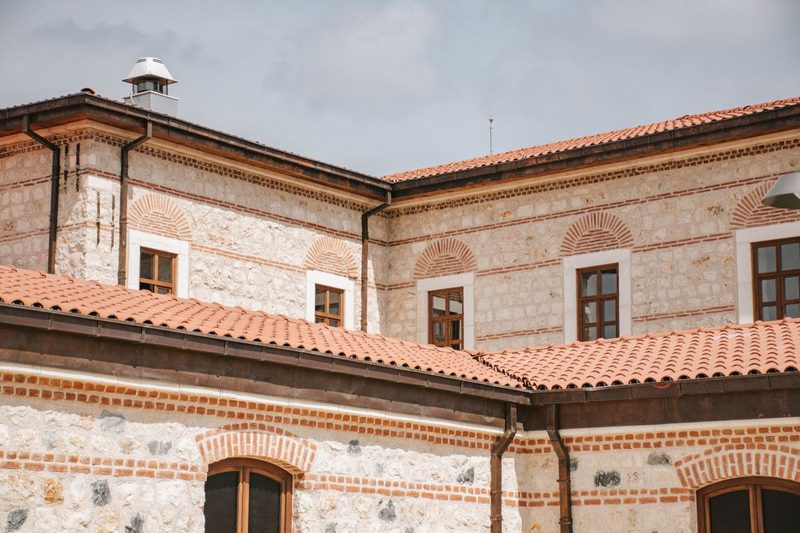
This is exactly where cheap quotes go wrong. A quote that comes in £3,000 under the others for a listed roof has usually swapped something: machine-made tiles for handmade, cement mortar for lime, a dry ridge where the conservation officer wants bedded, or salvaged tiles counted as new. Cement mortar is a particular problem on old roofs. It's harder and less breathable than the soft brick and clay around it, so it traps moisture and cracks away over a few winters, often taking the edges of tiles with it.
Lime mortar and dry-fix systems
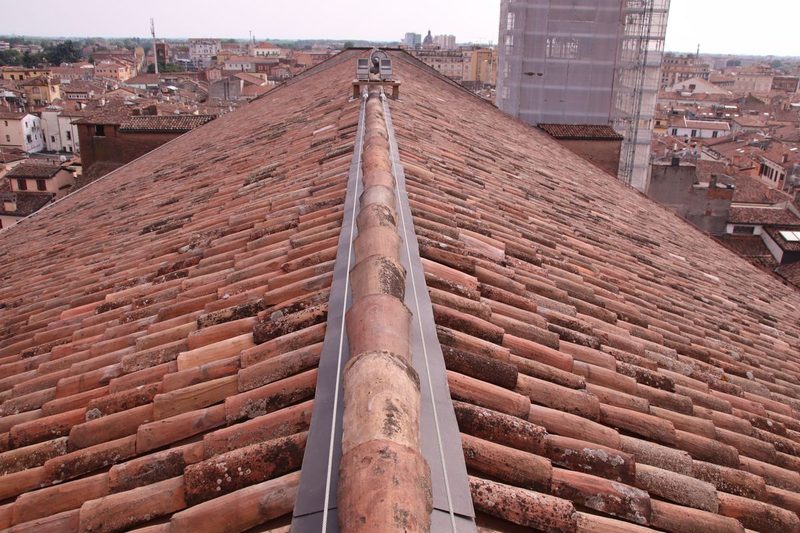
Lime mortar (typically a natural hydraulic lime such as NHL 3.5) costs more than a cement mix and takes longer to work, as it needs protecting from frost and rain while it cures. Dry ridge and dry verge systems are quicker and need less maintenance, but they may not be acceptable on a listed building or in some conservation settings. A good quote says which one it's pricing and why.
How to Compare Roofing Quotes Like for Like
The fairest way to compare quotes is to rebuild them into the same shape. Take the most detailed quote as your template and write each line down the side of a page. Then go through the others and fill in what they've priced against each line, marking anything they don't mention as "not stated". Ten minutes in, the £4,000 gap usually explains itself.
Once you've done that, go back to the roofers with the gaps. Ask the cheaper ones whether they've included scaffold for the full period, which tile they're using and what lead code. Ask the dearer one why they've allowed for 20% tile replacement when someone else has allowed for 10%. A good roofer will answer straight away and update the quote in writing. Treat any changes made over the phone as not agreed until they're on paper.
Think about VAT carefully. Repairs and re-roofs on existing homes are standard-rated at 20%, and HMRC's VAT Notice 708 on buildings and construction sets out the rules if a firm claims otherwise. If one quote is ex-VAT and another includes it, compare the gross figures. Ask whether the price is fixed or an estimate, and how long it's valid. Roofing materials have risen sharply since 2021, so 30-90 days is typical.
How we've covered paying for the work
The quote and the payment terms should match. We've gone through deposits, staged payments and how to protect your money on a Winchester roofing job in a separate guide, so use that when you get to the money side.
Red Flags in a Roofing Quote
Some quotes tell you more about the roofer than about the roof. A single vague line like "repair roof as discussed" with a lump sum is the most common warning sign, because it leaves you nothing to measure the finished job against. Most disputes we're called in to look at started with one of those.
Watch for these on the paperwork itself:
- No company name, landline or physical address, just a mobile number.
- Cash only, or a request to pay into a personal account.
- A deposit of more than 25% on a standard job before any materials have arrived.
- No VAT number when VAT is being charged.
- A price that "expires on Friday" or a discount for signing today.
- No mention of scaffold on a job that clearly needs it.
- A guarantee that isn't insurance-backed, or isn't mentioned at all.
Membership of a trade body isn't a guarantee of good work, but it does give you somewhere to go if things go wrong. You can check whether a roofer is a member through the National Federation of Roofing Contractors' member directory, which vets members on standards and insurance.
When the Cheapest Roofing Quote Is the Right One
Cheap isn't always a con. A smaller firm with low overheads, no VAT to charge and a gap in its diary can honestly come in 15-20% under a bigger company for the same specification. If the cheaper quote names the same tiles, the same lead codes, the same underlay and the same scaffold period, and the roofer can show you similar jobs nearby, it may simply be the better deal.
The test is whether the spec matches, not whether the price does. On a modern house with concrete tiles and no conservation restrictions, there's less room for material swaps and quotes tend to sit closer together, often within 15-25%. On a listed cottage in the city centre, a gap of 40% or more is a reason to ask questions, not to sign up.
Whichever quote you choose, make sure the version you sign is the itemised one, with everything you discussed added in. That piece of paper is what you'll rely on if a dispute comes up two winters from now.
Frequently Asked Questions
How many roofing quotes should I get in Winchester?
Three is the usual number. Two doesn't tell you which one is out of line, and more than four takes a lot of your time. For listed or conservation-area roofs, make sure at least one comes from a roofer with heritage experience.
Why is one roofing quote so much cheaper than the others?
Usually because it leaves something out or uses cheaper materials - machine-made tiles instead of handmade, cement instead of lime mortar, thinner lead or a shorter scaffold hire. It can also be because the firm isn't VAT-registered. Compare the lines, not the totals.
Should a roofing quote include VAT?
It should say clearly whether VAT is included. Repairs and re-roofs on existing homes are standard-rated at 20% if the firm is VAT-registered. If VAT is charged, the quote should show the firm's VAT number.
Is a roofing quote legally binding?
A fixed-price quote that you accept is generally binding on both sides for the work described. An estimate is a best guess and can change. Ask the roofer to confirm in writing which one you've been given and how extras will be priced.
Ready to work with Roof Repairs Winchester?
Let's connect! We’re here to help.
Send us a message and we’ll be in touch.
Or give us a call today at 01962 462074
Agency Contact Form
More Marketing Tips, Tricks & Tools