Fascias and Soffits in Winchester: What They Do, When to Replace and What It Costs
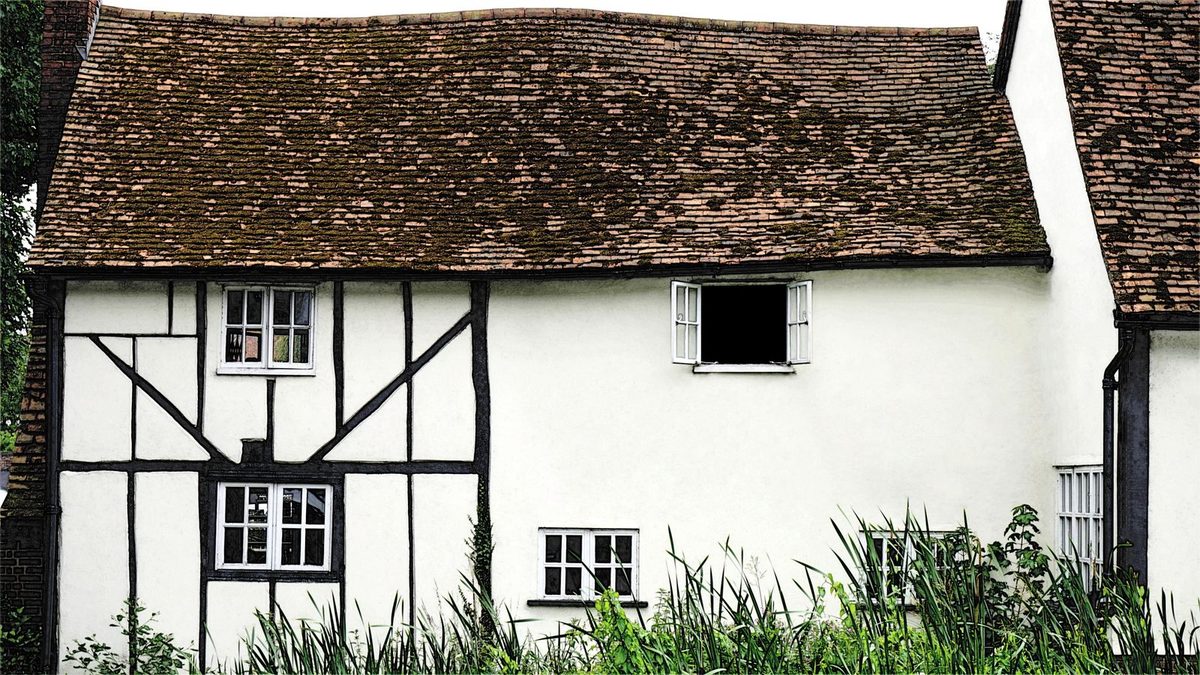
Walk down almost any road in Winchester and you can date the houses by their eaves. Victorian villas in Hyde and St Cross still carry painted softwood fascias and, on the gables, the odd set of carved bargeboards. The 1930s semis have plain timber boards that have been painted perhaps twenty times. Stanmore, where the council built over 700 homes before 1939, and Badger Farm, laid out in the 1970s and 1980s, show every stage from original timber to white uPVC. Those boards are the first line of defence for the rafter ends, and they tend to fail quietly. As a guide for 2026, a full uPVC fascia and soffit replacement on a three-bed semi in Winchester costs roughly £2,500 to £4,500 including new guttering and access, while capping over the old timber can be quoted at half that. Over ten years, the cheaper figure is usually the dearer one.
What Fascias, Soffits and Bargeboards Actually Do on a Winchester House
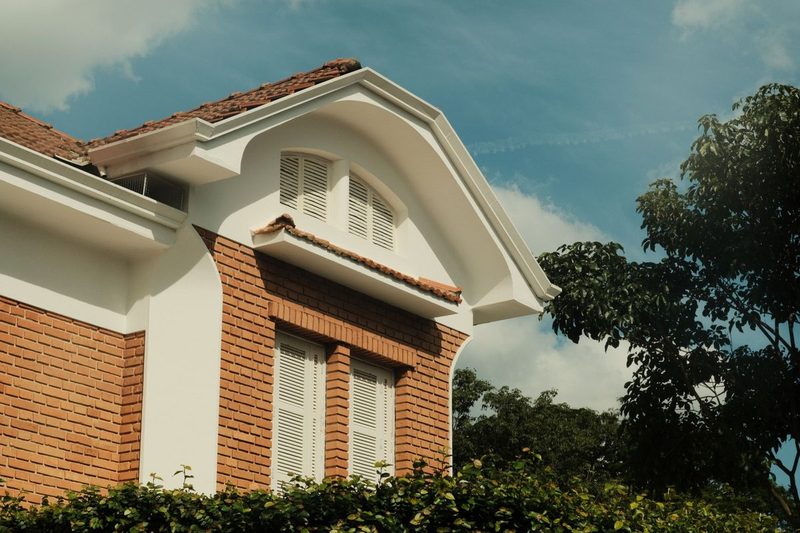
The fascia is the upright board fixed to the rafter ends along the bottom of the roof. It carries the gutter brackets and closes off the roof edge. The soffit is the horizontal board underneath, bridging the gap between the fascia and the wall. Bargeboards run up the sloping edge of a gable and protect the verge. On a typical semi you're looking at 16 to 22 metres of fascia and soffit, plus two bargeboards of 4 to 6 metres each on any gable.
If you're not sure what's on your own house, the team at Roof Repairs Winchester can take a look and tell you whether the boards are worth saving.
Signs of Rot in Timber Fascias and Soffits
Timber boards rarely fail all at once. The first thing most people notice is paint that has lifted and stays lifted, usually at the joints and at the bottom edge where water drips off the gutter. Push a screwdriver into the board there. Sound softwood resists; rotten softwood lets it sink in 5mm or more with almost no pressure.
The Winchester Weather Factor
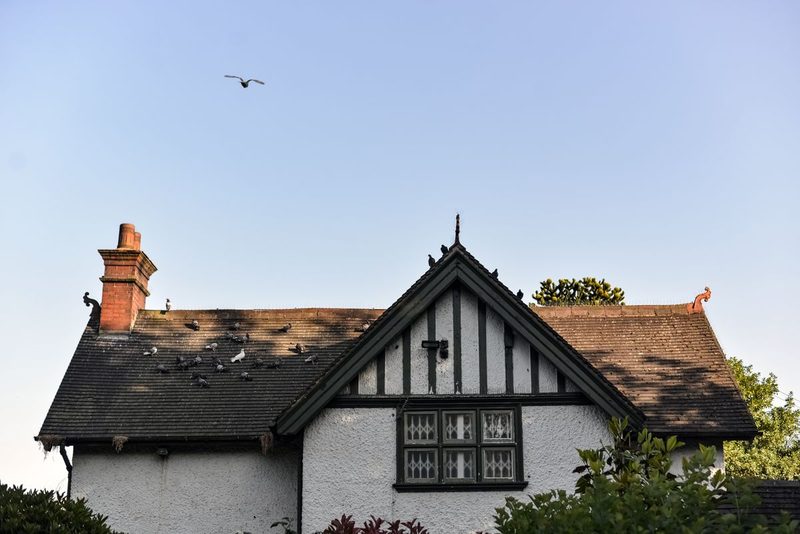
Winchester gets something like 800mm of rain a year, well below the UK average of around 1,150mm, so it isn't sheer volume that does the damage. It's the pattern. Wet spells of two or three weeks in autumn and winter keep the boards damp, the Itchen valley holds mist on still mornings, and north-facing eaves barely dry out between November and March. A fascia with one open joint can take on water for five months straight.
Other Warning Signs
- Gutters that sag or drip at the brackets, because the screws have nothing solid to bite into
- Dark tide marks on the soffit or brickwork below
- Gaps where soffit boards have dropped, often spotted when starlings, sparrows or wasps start using them
- Paint that has blistered on the bargeboard just below the ridge, where the verge mortar has cracked and let water in
Age is rarely the whole story. A badly rotted fascia usually sits under a leaking gutter joint or a perished strip of felt at the eaves, and if you replace the board without fixing the water source you'll be back in a few years.
Timber Repair vs uPVC Replacement vs Capping Over
There are three routes, and each suits a different house.
Repairing and Repainting Timber
If the rot is local - a metre here, a corner joint there - a carpenter can cut out the soft section and splice in new timber. Guide prices are £60 to £150 per splice, and a full rub-down and repaint of a semi's fascias, soffits and bargeboards runs about £600 to £1,200 plus access. The 1930s boards on many Winchester semis are slow-grown redwood that is far better than most timber sold today, which is a good reason not to rip it out.
Full Replacement in uPVC
Replacing everything with uPVC fascia and vented soffit costs roughly £55 to £90 per linear metre fitted in 2026, or about £2,500 to £4,500 for a three-bed semi once guttering and scaffold are included. Detached houses with 30 metres or more of eaves typically come in at £4,000 to £7,000. The old timber comes off, rafter ends get checked, the felt at the eaves is supported with a tray, and there's no painting again. uPVC should last 25 to 30 years.
Capping (Overcladding) the Old Boards
Capping means fixing thin uPVC cover boards straight over the existing timber, usually at £30 to £50 per metre. On sound, dry timber it is a reasonable shortcut. On rotten timber it's a false economy:
- The rot keeps going underneath, now hidden and with no air to dry it
- The new board is only as strong as the soft timber it's nailed to, so gutters start to sag again
- Any vents in the old soffit are usually covered over
- When it does fail, you pay to remove the capping, then pay for a full replacement anyway
A £1,500 capping job followed by a £3,500 replacement five to eight years later is a poor trade against doing it properly once. Ask any contractor quoting for capping to show you the timber underneath first.
Why Eaves Ventilation Matters When the Boards Come Off
On most cold pitched roofs, air enters at the eaves and leaves near the ridge. The standard guidance in BS 5250 is an opening equivalent to a continuous 10mm gap along the eaves for roofs pitched above 15 degrees, and 25mm for shallower pitches. Replacing a fascia is the easiest moment to get this right, using a vented soffit or over-fascia vent, along with an eaves tray to carry rainwater off the felt into the gutter.
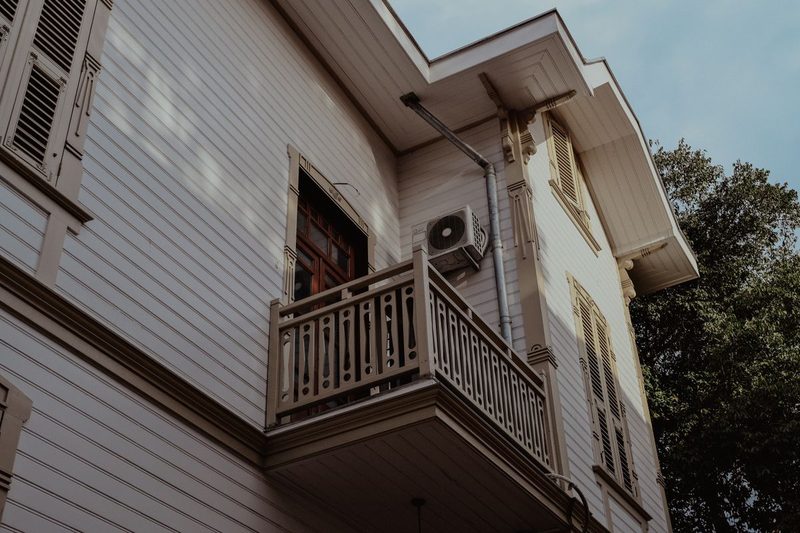
Many Victorian and 1930s roofs in Fulflood and Stanmore were never designed to breathe like this, and once loft insulation went in, the eaves were often stuffed shut. We've written more about how that causes damp timbers in our guide to loft condensation and roof ventilation in Winchester. Blocking an existing ventilation path with new boards is one of the commonest faults in cheap roofline jobs.
Conservation Areas and Listed Buildings in Winchester
Winchester's city conservation area was among the first in the country, designated in 1969 and later extended to take in Hyde and St Cross. The wider district has 37 conservation areas. Before you swap painted timber for plastic on a period frontage, check where you stand.
Winchester City Council says there are currently no Article 4 directions removing permitted development rights from single-family houses in its conservation areas. But its guidance on general alterations in Winchester conservation areas states that cladding the outside of a house in timber, plastic and similar materials does need planning permission, and will only be supported where it preserves or enhances the area. Like-for-like repair of existing boards is a different matter, but a scheme that encases a Victorian eaves or gable in uPVC can stray into that territory. If in doubt, ask the council's Historic Environment team before work starts.
Listed buildings are stricter again. If yours is listed, any change that affects its character needs listed building consent, and replacing moulded timber fascias or carved bargeboards with uPVC is exactly the kind of change that usually gets refused. Doing it without consent is a criminal offence. On those houses the answer is almost always timber repair and a joiner-made copy of anything beyond saving, which can cost £800 to £2,500 per decorative bargeboard. Plenty of firms around Southampton and Eastleigh fit uPVC roofline; far fewer local joiners reproduce Victorian bargeboard patterns, so expect a wait of several weeks.
Bats Behind Fascias
Pipistrelles, the smallest and commonest British bats, often roost in the gap behind fascias and soffits, and Hampshire has good numbers of them. All UK bat species and their roosts are protected by law, whether or not the bats are there at the time. If you see droppings stuck to the wall below the eaves, or bats emerging at dusk, stop and get advice before any boards come off. The government guidance on bat protection, surveys and licences sets out when a survey or licence is needed. Our earlier post on the legal checks around bats in Winchester roofs covers the process and timings in more detail.

Fascia and Soffit Costs in Winchester for 2026
These are guide figures for typical houses and assume no hidden structural problems.
- Splice repair of a rotten section: £60 to £150 each
- Repaint fascias, soffits and bargeboards on a semi: £600 to £1,200 plus access
- uPVC capping over existing timber: £30 to £50 per metre
- Full uPVC fascia and soffit replacement: £55 to £90 per metre
- Full uPVC roofline on a three-bed semi, with guttering: £2,500 to £4,500
- Full uPVC roofline on a detached house: £4,000 to £7,000
- Joiner-made decorative bargeboard: £800 to £2,500 each
- Scaffold, front and back of a semi: £700 to £1,400
Scaffold is often 20 to 30% of the total, so it pays to bundle roofline work with gutters, verges or tile repairs while the scaffold is up. Rotten rafter ends found once the old boards come off typically add £40 to £120 each to sister or splice.
Common Questions About Fascias and Soffits in Winchester
How long do timber fascias last compared with uPVC?
Well-painted softwood can last 30 to 50 years if it is repainted every 5 to 7 years and the gutter above doesn't leak. uPVC typically lasts 25 to 30 years with no painting, just an occasional wash.
Is capping fascias ever a good idea?
Yes, if the timber underneath is completely sound and dry and the soffit ventilation is kept open. It is a poor choice over timber that is already soft, because the rot carries on out of sight and the fixings lose their grip.
Do I need planning permission to replace fascias in a Winchester conservation area?
Like-for-like replacement or repair usually doesn't. Winchester City Council's guidance says cladding the exterior of a house in a conservation area, including in plastic, does need permission, so a scheme that encases period timber in uPVC should be checked with the council first. Listed buildings need listed building consent for changes to their character.
What happens if bats are found behind my fascias?
Work on that section has to stop. Bats and their roosts are protected by law, so you'll need advice from a licensed ecologist, and possibly a licence from Natural England, before the boards can be removed.
Ready to work with Roof Repairs Winchester?
Let's connect! We’re here to help.
Send us a message and we’ll be in touch.
Or give us a call today at 01962 462074
Agency Contact Form
More Marketing Tips, Tricks & Tools