Bats in Winchester Roofs: The Legal Checks Before Any Roof Work Starts
Finding bats halfway through stripping a roof is the most expensive thing that can happen on a Winchester job. All UK bat species and their roosts are protected under the Wildlife and Countryside Act 1981 and the Conservation of Habitats and Species Regulations 2017, and the offence covers the roost whether or not bats are in it at the time. Penalties reach an unlimited fine and up to six months' imprisonment. Hampshire supports at least 14 of the UK's 17 breeding bat species, and Winchester's stock of pre-1919 housing, clay-tiled roofs and stone-built cottages across the city and the villages of the Itchen valley is close to ideal roosting habitat. This guide covers how to check before you commit, what a survey costs, and what happens if bats are found.
Why Winchester Roofs Are Prime Bat Habitat
Bats do not build anything. They use what exists, and older roof construction gives them a lot to work with.
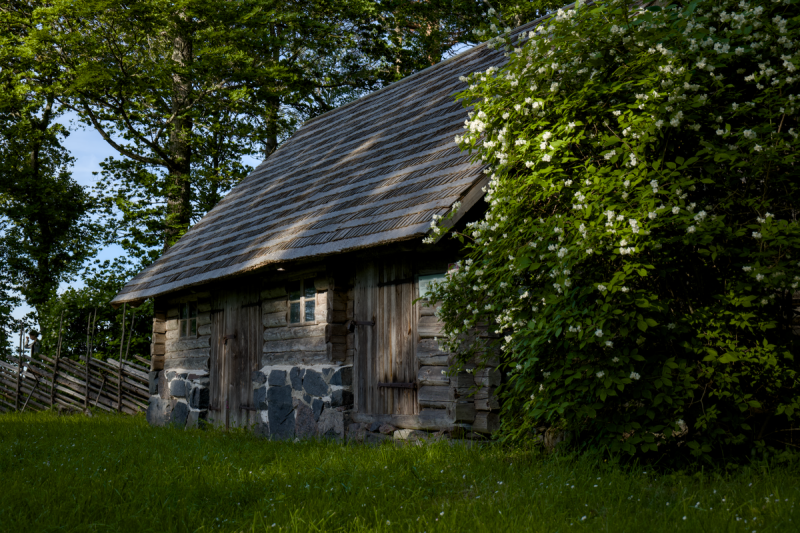
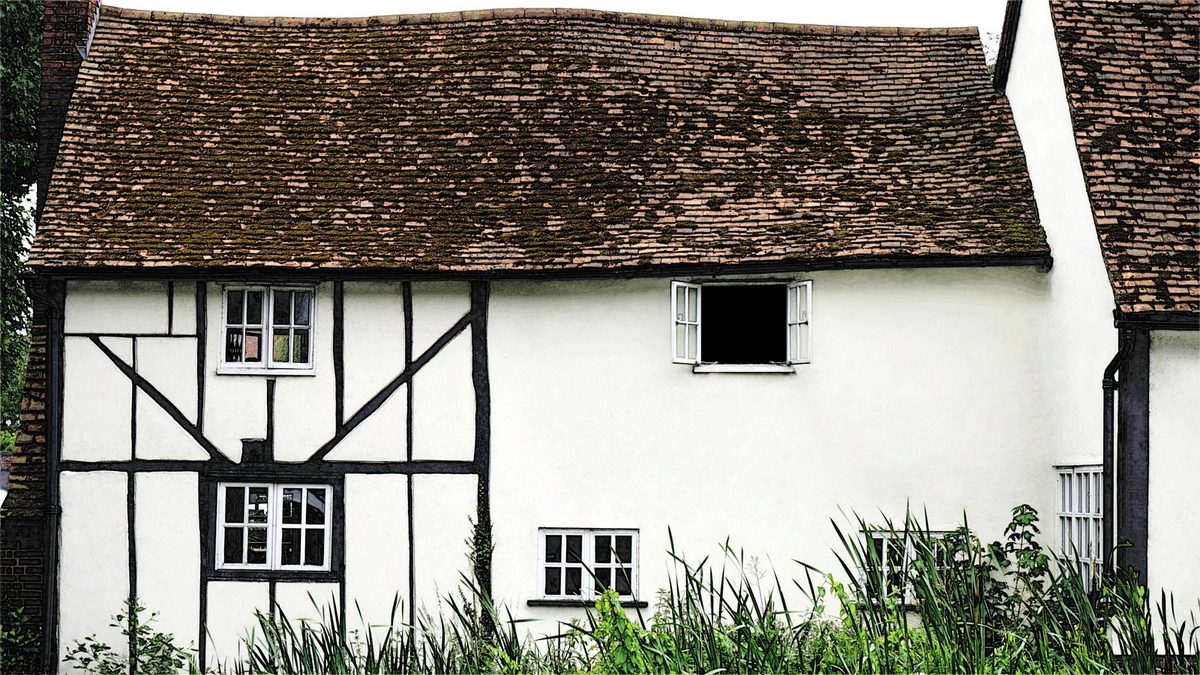
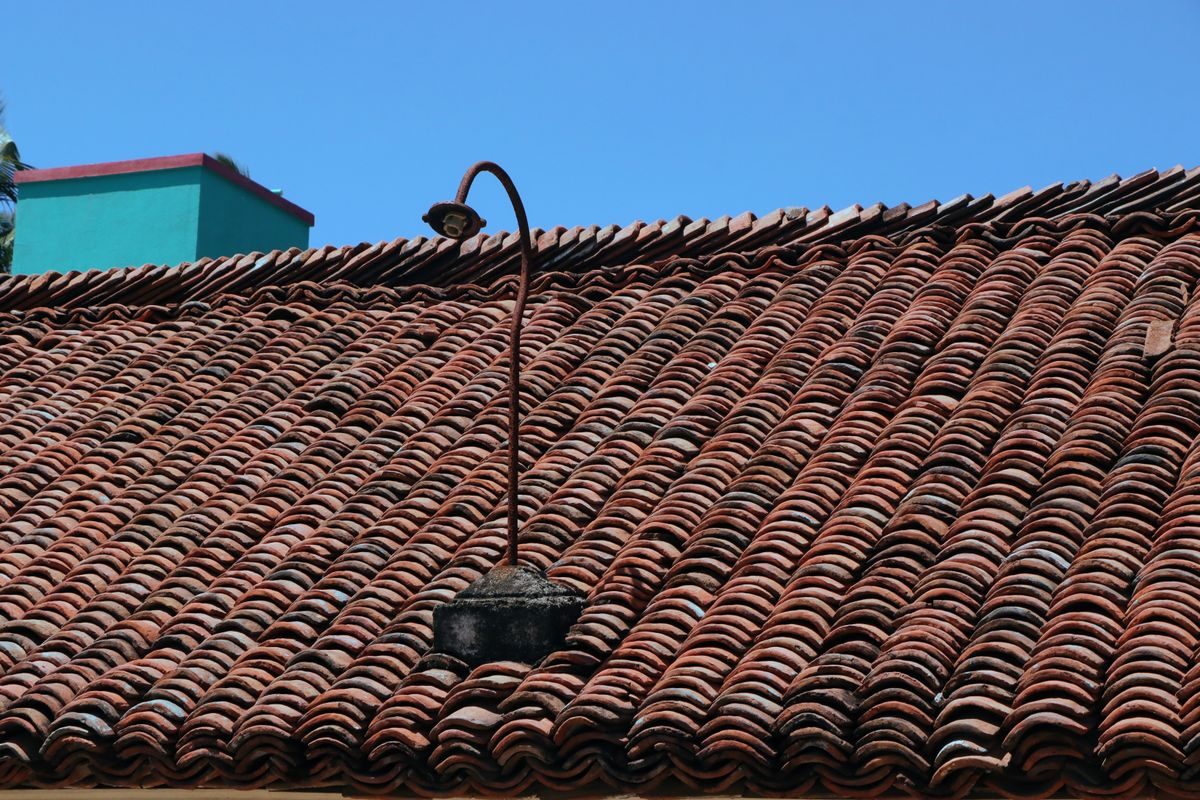
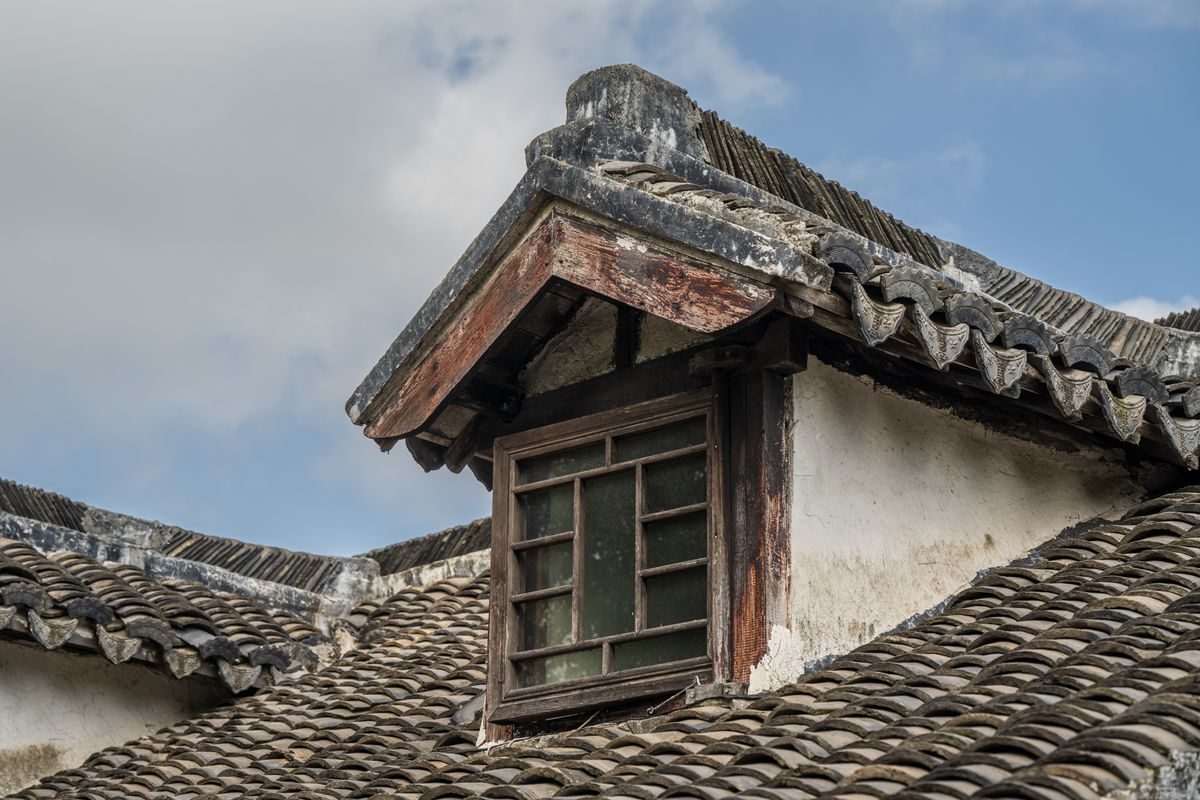
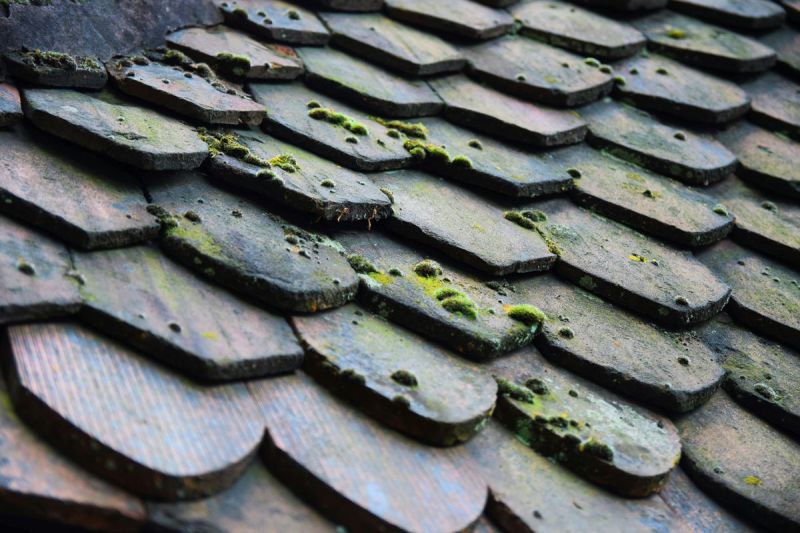
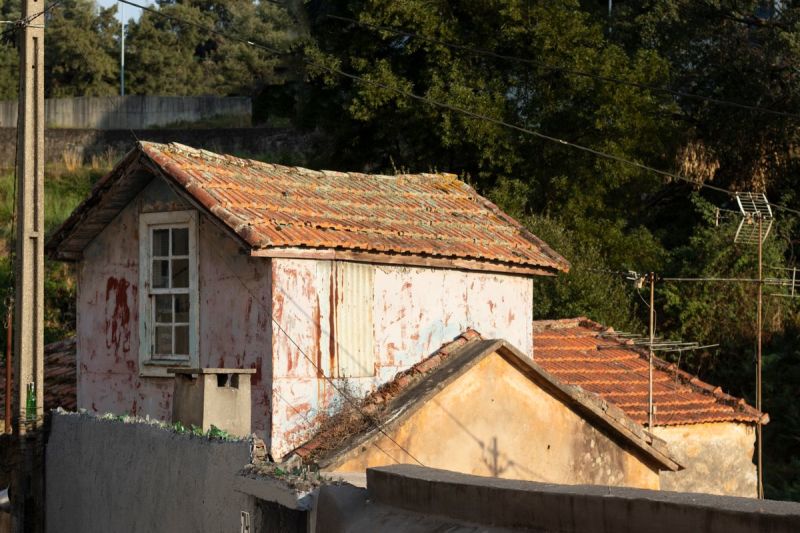
Traditional clay peg tiles and natural slate laid on battens over a bituminous felt, or over nothing at all, create the warm, dry, undisturbed crevices that roosting bats want. Stone and flint walls with deep eaves, lead-lined valleys, and hanging tiles on gable ends add more. Modern breathable membranes are far less attractive, and can be actively harmful to bats, which is one of several reasons a re-roof on a known roost has to be designed rather than just carried out.
Winchester's building stock skews old. The city centre and the conservation areas, plus the villages of Twyford, Alresford, Stockbridge and the Meon and Itchen valleys, hold high proportions of buildings from before 1919. Barn conversions and outbuildings are particularly likely, and any roof with an accessible loft void that has been undisturbed for years is worth checking.
If you are planning work on an older Winchester property and want the bat question addressed properly rather than discovered on day two, Roof Repairs Winchester will raise it at the survey stage and can tell you when an ecologist needs to be involved.
What the Law Actually Prohibits
Three offences matter for roofing work.
Deliberately capturing, injuring or killing a bat. Deliberately disturbing a bat, particularly in a way affecting its ability to hibernate or rear young. And damaging or destroying a breeding site or resting place - which is the one that catches roofers, because it applies whether or not any bat is present when the work happens.
That last point surprises people. A roost used seasonally is still a roost in February. Removing it while the bats are elsewhere is still an offence. The government's guidance on bats, protection, surveys and licences sets out the position and is worth reading before you book any work on an older roof.
Ignorance is not much of a defence once you have been told. Once a contractor or ecologist has flagged the possibility, proceeding without checking becomes very hard to defend.
Signs of a Roost You Can Look For Yourself
You do not need an ecologist to do a first pass.
Droppings are the clearest indicator: small, dark, roughly 4 - 8mm, and crucially they crumble to dust between finger and thumb because they are made of insect fragments. Mouse droppings smear. Look on the loft floor beneath the ridge, on insulation, on top of joists, and outside beneath the eaves or on window sills below a gable.
Also look for staining around small gaps at the eaves, ridge or barge boards where bats enter, scratch marks, and the absence of chewed material - bats do not gnaw, so nibbled wiring means rodents, not bats. Evening watching is the definitive amateur check: stand outside at dusk between May and August and watch the eaves and ridge lines for around 30 minutes after sunset.
When to Stop and Call Someone
If you find droppings, or see bats emerging, stop planning and get advice before any work is scheduled. Do not clear the loft, do not lift tiles to look, and do not block any gap you think they are using. The Bat Conservation Trust runs a national helpline that will tell you what you are dealing with and whether a survey is needed.
Survey Costs and Timings in Winchester
A preliminary roost assessment, sometimes called a scoping survey, is a daytime inspection of the building and loft by an ecologist. It costs £300 - £600 in the Winchester area and can be done at any time of year.
If that assessment finds evidence or high potential, you move to emergence and re-entry surveys. These are dusk and dawn watches carried out by surveyors positioned around the building, and they can only be done in the active season, generally May to August, with two or three visits required. Costs run £800 - £2,000 depending on building size and number of visits.
This is the part that wrecks project timelines. A survey requirement discovered in October means you cannot complete the survey work until the following May. Planning a re-roof on an older Winchester property in autumn without having checked is how a job slips by eight months.
Licences: What They Involve and How Long They Take
If a roost will be affected, the work needs a European Protected Species mitigation licence from Natural England. The ecologist prepares the application, which sets out the roost, the impact, and the mitigation and compensation proposed - typically bat access tiles, a retained void, or a bat box arrangement.
Determination usually takes around 30 working days once submitted, and the application cannot be submitted until the survey work supporting it is complete. Ecologist fees for preparing and supervising a licence commonly run £1,500 - £4,000 on a domestic job, on top of the survey costs.
Licensed work also comes with conditions: timing restrictions avoiding the maternity season of roughly June to August and hibernation of November to February, supervision by the named ecologist at defined stages, and specific materials. Breathable membranes are usually prohibited where bats are retained, because the loose fibres can entangle them, so you may be specifying bitumen felt instead. Natural England's wildlife licensing guidance covers the process.
How This Interacts With Planning and Listed Buildings
Winchester has a large number of listed buildings and extensive conservation areas, and where planning permission or listed building consent is needed, bats become a planning matter too.

Local planning authorities must consider protected species before granting permission, and Winchester City Council will typically require a bat survey to accompany an application affecting an older roof, a barn or an outbuilding. Submitting without one usually results in the application being held rather than refused, which still costs months.
The overlap works in your favour if you plan properly. Commissioning the ecology survey at the same time as the heritage and design work, rather than after permission is granted, keeps the two processes running together. Our guide to roof repairs on listed buildings in Winchester and the rules that apply covers the consent side, and the bat question should sit alongside it from the start.
Building the Cost and Time Into Your Project
For an older Winchester property, budget realistically. A preliminary assessment at £300 - £600 is a sensible baseline on anything pre-1919 with an accessible loft, and it frequently returns a clean result that lets you proceed immediately.
If bats are present, the full picture is roughly £2,500 - £6,000 in ecology and licensing costs, plus a delay of anywhere from two months to a full season depending on when you started. Mitigation itself is often cheap - bat access tiles cost £30 - £80 each fitted - and the expense is overwhelmingly professional fees and lost time.
Start the ecology in late winter or early spring. A preliminary assessment in February, emergence surveys in May and June, a licence application in July, and work in September is a sequence that works. The same project started in September does not.
What Happens If Bats Are Found Mid-Job
Stop work immediately. Not at the end of the day, immediately, and cover any opened area to keep the roost weatherproof.
Contact an ecologist and the Bat Conservation Trust helpline the same day. Photograph what you have found and where. Do not attempt to move bats, do not seal openings, and do not resume any part of the roof work until you have advice in writing.
Handled properly, this is a delay and a cost. Handled badly, it is a wildlife crime with the homeowner and the contractor both potentially liable. In practice the sensible move is upstream: on any Winchester property built before the First World War, treat the bat check as part of the quoting process rather than something to worry about later.
Frequently Asked Questions
Do I need a bat survey before a re-roof in Winchester?
Not automatically, but you should commission a preliminary roost assessment on any older property with an accessible loft, particularly pre-1919 buildings, barns and outbuildings. It costs £300 - £600 and often clears the way immediately. A survey becomes effectively compulsory if evidence of bats is found, or if planning permission or listed building consent is required and the council asks for one.
What do bat droppings look like in a loft?
Small dark pellets roughly 4 - 8mm long that crumble to a dry dust between your fingers, because they consist of insect fragments. Mouse droppings smear instead. Look beneath the ridge, on top of joists and insulation, and outside on window sills below eaves or gables. Finding them means stopping and getting advice rather than clearing them away.
How long does a bat licence take in Winchester?
Around 30 working days for Natural England to determine, but the licence cannot be applied for until survey work is complete. Emergence and re-entry surveys can only be carried out between roughly May and August, so a requirement identified in autumn typically means waiting until the following spring. Total delay from discovery to consent is commonly two months to a full season.
Can I just do the roof work while the bats are away?
No. The offence of damaging or destroying a breeding site or resting place applies whether or not bats are present at the time, so removing a seasonally used roost in winter is still an offence. Timing restrictions in a licence exist to avoid harm during maternity and hibernation, but they operate alongside the licence, not instead of it.
```json { "@context": "https://schema.org", "@type": "FAQPage", "mainEntity": [ { "@type": "Question", "name": "Do I need a bat survey before a re-roof in Winchester?", "acceptedAnswer": { "@type": "Answer", "text": "Not automatically, but you should commission a preliminary roost assessment on any older property with an accessible loft, particularly pre-1919 buildings, barns and outbuildings. It costs £300 to £600 and often clears the way immediately. A survey becomes effectively compulsory if evidence of bats is found, or if planning permission or listed building consent is required and the council asks for one." } }, { "@type": "Question", "name": "What do bat droppings look like in a loft?", "acceptedAnswer": { "@type": "Answer", "text": "Small dark pellets roughly 4 to 8mm long that crumble to a dry dust between your fingers, because they consist of insect fragments. Mouse droppings smear instead. Look beneath the ridge, on top of joists and insulation, and outside on window sills below eaves or gables. Finding them means stopping and getting advice rather than clearing them away." } }, { "@type": "Question", "name": "How long does a bat licence take in Winchester?", "acceptedAnswer": { "@type": "Answer", "text": "Around 30 working days for Natural England to determine, but the licence cannot be applied for until survey work is complete. Emergence and re-entry surveys can only be carried out between roughly May and August, so a requirement identified in autumn typically means waiting until the following spring. Total delay is commonly two months to a full season." } }, { "@type": "Question", "name": "Can I just do the roof work while the bats are away?", "acceptedAnswer": { "@type": "Answer", "text": "No. The offence of damaging or destroying a breeding site or resting place applies whether or not bats are present at the time, so removing a seasonally used roost in winter is still an offence. Timing restrictions in a licence exist to avoid harm during maternity and hibernation, but they operate alongside the licence, not instead of it." } } ] } ```
Ready to work with Roof Repairs Winchester?
Let's connect! We’re here to help.
Send us a message and we’ll be in touch.
Or give us a call today at 01962 462074
Agency Contact Form
More Marketing Tips, Tricks & Tools