Roof Repairs on Listed Buildings in Winchester: Rules, Costs, and Materials
Winchester has one of the highest concentrations of listed buildings anywhere in Hampshire, with well over a thousand of them clustered through the historic core, The Close, Kingsgate, and the streets running off the High Street. If you own one, a roof repair is never just a roof repair. There's a layer of law on top of the tiling, and getting it wrong can mean enforcement action, a criminal record, and being ordered to undo the work at your own cost. Around 1 in 12 Winchester homes carries some form of heritage designation, and the roofs on these buildings are frequently the original clay, stone slate, or handmade materials that the listing exists to protect. That's the good news and the headache in one: the roof is a big part of why the building is special, so any work to it is watched closely. This guide walks through when you need consent, which materials are acceptable, how to find the right contractor, and what a listed roof repair actually costs in 2026.
When Listed Building Consent Is Needed
The key principle is that listed status covers the whole building, inside and out, not just the pretty front. A roof repair that changes the appearance or fabric of the building will usually need listed building consent, and that includes swapping one tile type for another, changing the pitch, or altering the ridge line. Like-for-like repair using the same materials and methods is often allowed without consent, but the boundary between "repair" and "alteration" is genuinely blurry, and it is your responsibility to check before you start.

Getting this wrong is not a slap on the wrist. Carrying out unauthorised works to a listed building is a criminal offence, prosecutable regardless of whether you knew about the listing, and roughly 90% of enforcement cases turn on work done without checking first. The safest habit is a quick call to Winchester City Council's conservation officer before any roof work. You can read the official position on when consent applies in the government's guidance on the gov.uk rules for listed buildings and conservation areas, and it's worth doing before you even get quotes. Roof Repairs Winchester works on heritage properties across the city and can tell you early on whether your repair is likely to count as like-for-like or as an alteration needing consent.
Consent, when needed, typically takes eight weeks and there's no fee for a listed building consent application, which surprises people. The delay is the cost, not the paperwork.
Which Materials Are Allowed on a Listed Roof
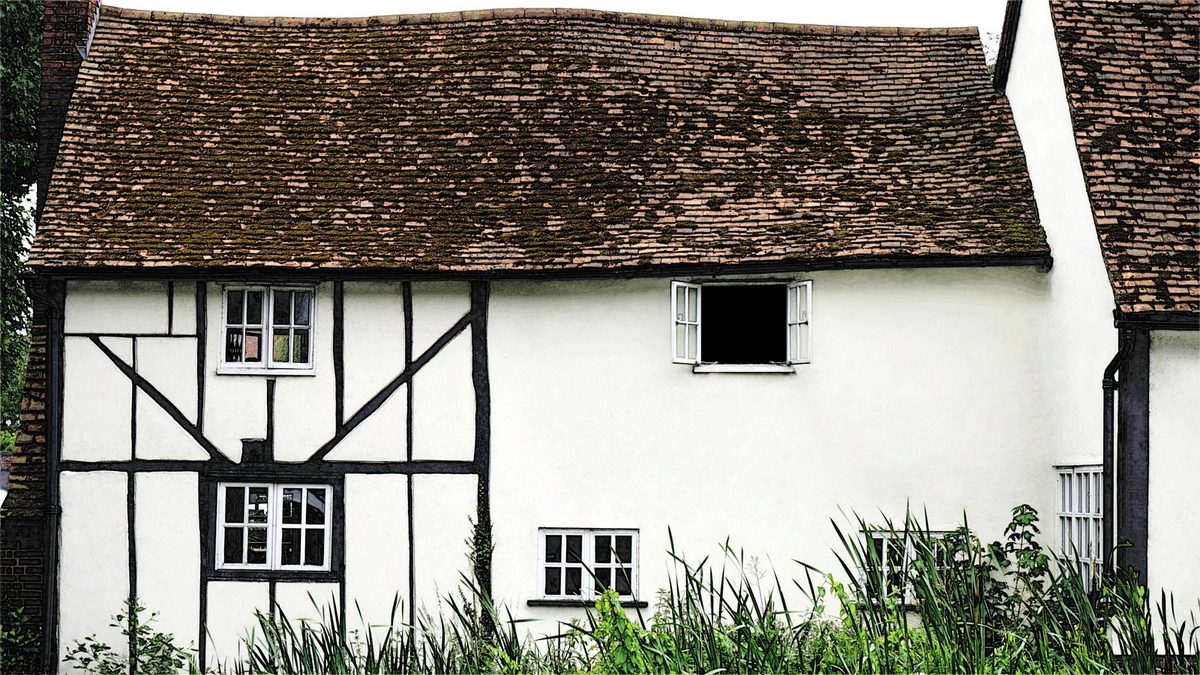
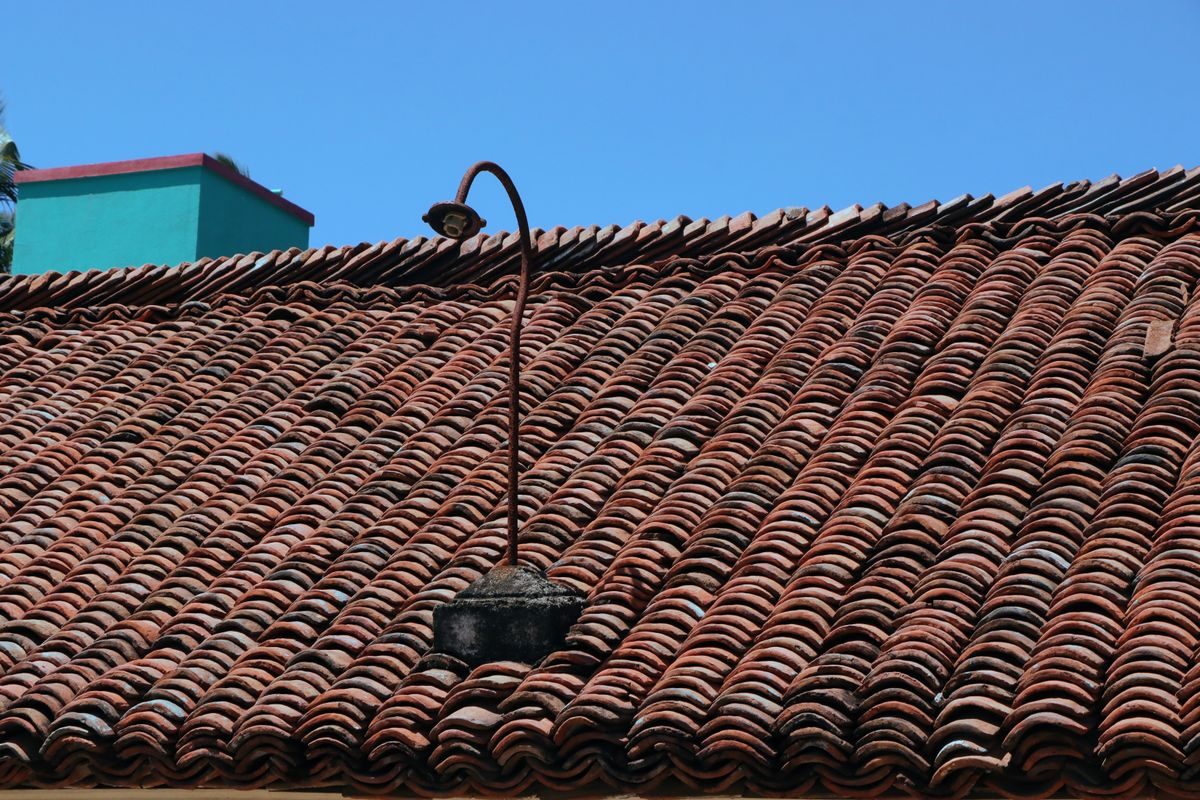
This is where owners get caught out. On a listed Winchester roof you generally cannot substitute a cheaper modern material for the original. If the roof is handmade clay plain tiles, it needs handmade clay plain tiles, not machine-made lookalikes and certainly not concrete. If it's Welsh slate, it needs Welsh slate. Around 60% of the listed roofs in the Winchester area are clay or natural slate, and the conservation officer will expect matching replacements.

Reclaimed materials are often the answer. Salvage yards across Hampshire hold stocks of reclaimed clay tiles and slates that match the weathered colour of an existing roof far better than anything new, and using them is usually looked on favourably because it maintains authenticity. Lead is another common flashpoint: original lead flashings and valleys should be replaced in lead of the correct code, not in modern substitutes, on a listed roof. Expect materials to cost 30 to 50% more than a standard repair for this reason alone.
The principles behind all this are set out clearly by Historic England, whose technical advice on repairing older roofs is the standard reference conservation officers work from; their Historic England guidance on caring for a historic home is worth reading before you commission anything, so you understand what will and won't be acceptable.
Finding a Contractor Who Understands Heritage Work
Not every capable roofer is a heritage roofer. Listed building work needs someone who has handled lime mortar, reclaimed tiles, traditional detailing and the conservation process before, because a well-meaning contractor using modern methods can do real damage. Cement mortar on a roof that was built to breathe with lime, for example, traps moisture and accelerates decay in the very timbers you're trying to protect. We see the results of that mistake regularly.
Look for a contractor who can show you previous listed or conservation work in Winchester or the wider Hampshire area, and who is comfortable talking to the council's conservation officer on your behalf. Membership of a recognised trade body is a useful filter. The National Federation of Roofing Contractors' guidance on choosing a roofing contractor explains what competent-firm membership means and how to check it, and NFRC members working on heritage roofs are held to defined standards. Roughly 1 in 4 of the listed-roof enquiries we take come after a non-specialist has already started and hit a problem, so choosing the right firm first time saves money and stress.
Get everything in writing, including the specific materials to be used and confirmation that the work matches whatever consent has been granted. A conservation officer can and does inspect completed work.
The Repair Process on a Winchester Listed Roof
A listed roof repair runs to a different rhythm than a standard one. It starts with the assessment and, where needed, the consent application, which front-loads several weeks before a single tile is touched. On a building of this age the survey often turns up more than the presenting problem, because original oak or elm rafters, lime torching under the tiles, and hand-cut battens all age in ways a modern roof doesn't.

Once work begins, tiles or slates are usually taken off carefully and set aside for reuse, since around 70% of the original covering can typically be salvaged and relaid on a well-maintained Winchester roof. Sound reclaimed materials fill the gaps. Traditional detailing at ridges, hips and valleys is rebuilt using lime mortar and lead of the right code rather than modern shortcuts. The pace is slower and the labour higher because the work is careful by necessity.
Scaffold and access on the tight streets of central Winchester can add complexity too, as several heritage properties sit on narrow lanes near the Cathedral where scaffolding needs planning around pedestrian access. It's a factor worth raising at the quote stage so there are no surprises.
What Listed Roof Repairs Cost in Winchester
Costs run higher than standard roofing because of specialist labour, matching materials, and the consent process. As a 2026 guide for Winchester listed properties:

Small like-for-like repair, replacing a handful of slipped or broken clay tiles or slates with reclaimed matches: £400 - £900.
Repair to lead flashing or a valley in correct-code lead: £700 - £1,800.
Ridge and hip re-bedding in lime mortar across a section of roof: £1,200 - £3,000.
Larger re-covering of a roof slope with reclaimed clay tiles or Welsh slate, scaffold included: £6,000 - £15,000 depending on size and pitch.
Full re-roof of a listed property with matching traditional materials and heritage detailing: £15,000 - £40,000+.
The consent application itself is free, but budget for a heritage survey of a few hundred pounds, and expect the timeline to run weeks longer than a standard job because of the eight-week consent window. Combining repairs into one scaffold visit is the single biggest saving available, since scaffold on a restricted central Winchester site can run £1,000 to £2,500 on its own.
If your property isn't listed but sits on the same period clay tiling, our guide to slipped and loose roof tiles in Winchester covers the everyday repair side in more detail and may be the more relevant read.
Maintaining a Listed Roof to Avoid Bigger Bills
The cheapest listed roof repair is the one you catch early. Because materials and labour cost so much more on these buildings, letting a small problem run into the structure is far more punishing than on a modern roof. A single displaced tile that lets water reach a 150-year-old oak rafter can turn a £400 repair into a five-figure timber job within a couple of wet Winchester winters.

Twice-yearly visual checks from the ground, ideally each spring and autumn, catch most issues while they're small. Keep gutters and valleys clear, because blocked drainage backs water up under the tiles and into the fabric. Watch the chimney flaunching and lead flashings, which are the first things to fail on an exposed Winchester roofline facing the prevailing south-westerlies. Around 80% of the serious listed-roof damage we're called to could have been prevented by catching the trigger fault a season or two earlier.
Keep a simple record of any work done and any consent granted, too. When you come to sell, a clear history of properly consented, correctly specified repairs reassures buyers and their surveyors, and on a Winchester listed home that documentation genuinely supports the value.
---
FAQ
Q: Do I always need listed building consent to repair my roof in Winchester?
A: No. Genuine like-for-like repair using the same materials and methods is often allowed without consent. But anything that changes the building's fabric or appearance, such as swapping tile types, altering the pitch, or changing the ridge, will usually need consent. The line is blurry, so always check with Winchester City Council's conservation officer before starting.
Q: Can I use modern tiles on a listed building in Winchester?
A: Generally no. A listed roof normally has to be repaired with materials matching the original, so handmade clay tiles need handmade clay replacements and Welsh slate needs Welsh slate, not concrete lookalikes. Reclaimed materials from Hampshire salvage yards are often the best match and are usually welcomed by conservation officers.
Q: What happens if I repair a listed roof without consent?
A: Carrying out unauthorised works to a listed building is a criminal offence, prosecutable even if you didn't know the building was listed. The council can require you to reinstate the original work at your own cost. Around 90% of enforcement cases arise from work done without checking first, so a quick call to the council beforehand is essential.
Q: Why does a listed roof repair cost more in Winchester?
A: Because it needs specialist heritage labour, matching or reclaimed materials that cost 30 to 50% more than standard, lime mortar and correct-code lead detailing, and often a consent process. A small like-for-like repair starts around £400 to £900, while a full heritage re-roof can run £15,000 to £40,000 or more.
Q: How long does listed building consent take in Winchester?
A: A listed building consent application typically takes around eight weeks to determine, and there is no application fee. The delay is the main cost, so factor it into your timeline, especially if the repair is urgent. Genuine like-for-like repairs that don't need consent can proceed without this wait.
---
Ready to work with Roof Repairs Winchester?
Let's connect! We’re here to help.
Send us a message and we’ll be in touch.
Or give us a call today at 01962 462074
Agency Contact Form
More Marketing Tips, Tricks & Tools