Chimney Removal and Capping in Winchester: Costs and What's Involved
A surprising number of Winchester homes still carry chimney stacks that haven't vented a working fire in twenty or thirty years. Central heating made most of them redundant, yet they sit up there weathering every storm, and on the older housing stock around St Cross, Fulflood and Hyde a neglected stack is one of the most common sources of damp we get called out to. Roughly 70% of the chimney jobs we quote in the city are on properties built before 1940, and the mortar in a Victorian stack can lose its integrity in as little as 15 to 20 years once the pointing goes. You broadly have two choices: take the stack down, or cap it and leave it in place. Both fix the problem. They cost very different amounts, they look very different from the street, and in parts of Winchester one of them needs permission. Here's how to weigh it up.
Removing Versus Capping: Which One Fits Your Home
Removal means taking the stack down, either back to roof level or right down through the loft, then making good the roof where it stood. Capping means leaving the stack standing but sealing the top against rain while allowing a trickle of ventilation so the flue below doesn't sweat. If the brickwork is sound and you like how the stack looks against the roofline, capping is the cheaper, faster answer. If the stack is leaning, spalling, or you simply want it gone, removal is the job.
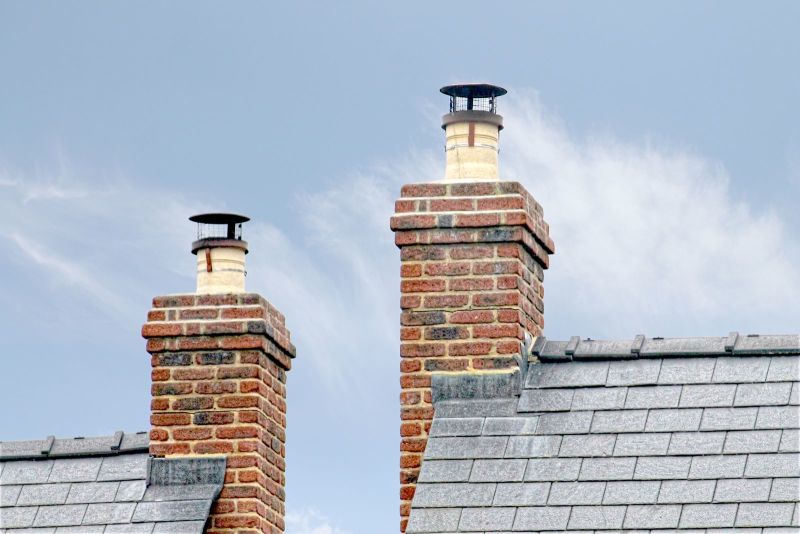
Winchester's period terraces complicate the choice, because stacks are very often shared across a party wall between two houses. You cannot unilaterally remove half a shared stack without your neighbour's agreement and, in most cases, a Party Wall Act notice. Around 40% of the removal enquiries we take in the older streets turn out to involve a shared stack, so it's worth checking before you set your heart on removal. Roof Repairs Winchester can inspect the stack, tell you whether it's shared, and set out both options with real figures rather than a vague "it depends."
Capping suits the homeowner who wants the damp problem solved and the visual character kept. Removal suits the homeowner who wants to be rid of maintenance for good, reclaim a little loft space, and never think about the stack again.
What Chimney Capping Actually Involves
Capping is deceptively simple to describe and easy to get wrong. The top of the flue is sealed with a capping unit or a slab and vent, so rain can't get in but a small amount of air still moves through. That ventilation matters more than people expect. Seal a flue completely airtight and moisture in the masonry has nowhere to go, so it condenses inside the stack and shows up as a damp patch on a bedroom chimney breast six months later. Around 1 in 4 damp-chimney callouts we attend trace back to a flue that was capped without a vent.

A proper cap also usually means re-pointing the top few courses and checking the flaunching, the mortar fillet that holds the pots. On a Winchester roof exposed to south-westerly weather, that flaunching cracks and lets water track down inside the stack, so it's normally addressed at the same time. Expect the whole job to take half a day to a day on a standard two-storey house.
You can also cap and keep the pots for looks, or remove the pots and fit a flush weathered cap for a cleaner line. Both are common in the city. The conservation areas tend to favour keeping traditional pots, which we'll come to.
Full Chimney Removal Down to Roof Level
Removing a stack down to just below the roofline is the most popular removal option because it's far less disruptive than a full internal strip-out. The brickwork comes down to roof level, the hole is closed with new rafters or trimming as needed, and the area is re-tiled or re-slated to match the surrounding roof. Done well, you'd never know a stack had been there.
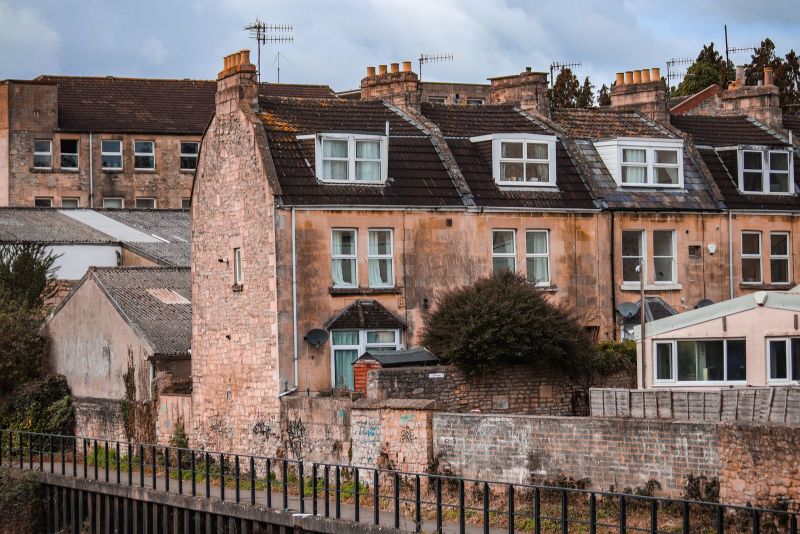
The making-good is where the quality shows. The roof covering has to be woven back in with matching tiles or slates, and on Winchester's older roofs that often means sourcing reclaimed clay plain tiles or Welsh slate so the patch doesn't stand out. A fresh grey concrete patch on a weathered red clay roof is an eyesore that knocks value off the sale. We reckon matching materials properly adds maybe 10 to 15% to the covering cost, and it's money well spent. New felt and battens go in under the patch as a matter of course.
Below the roofline, the chimney breast can stay in place or be removed floor by floor. Removing it internally frees up floor space but is a much bigger job involving structural support, plastering and often building control sign-off. Many Winchester homeowners take the stack off the roof and leave the breasts alone.
Conservation Areas and Listed Buildings in Winchester
This is the part that trips people up. Winchester has a large historic core and several designated conservation areas covering swathes of the city, and within them chimney stacks are often considered part of the character that the designation protects. Removing a prominent stack in a conservation area can need planning permission, and altering a stack on a listed building almost always needs listed building consent. You can check whether your street sits within a conservation area, and what that means for external alterations, through the government's own guidance on the rules that apply to work on a listed building at the Historic England listed buildings advice pages.

Getting this wrong is expensive. Carrying out unauthorised works to a listed building is a criminal offence, and the council can require you to reinstate what you removed. For anything protected, always confirm the position with Winchester City Council's planning team before work starts, and read the official position on when you need consent on the gov.uk listed buildings and conservation areas guidance. Roughly 1 in 5 of the removal enquiries we handle in central Winchester turn out to sit in a conservation area or on a listed property, so it's not a rare hurdle.
Capping is usually the safer route in these areas because it retains the stack and pots, keeping the roofline intact while still stopping the water getting in.
What Chimney Removal and Capping Cost in Winchester
Prices vary with access, whether scaffold is needed, and how much making-good the roof requires, but as a 2026 guide for Winchester properties:
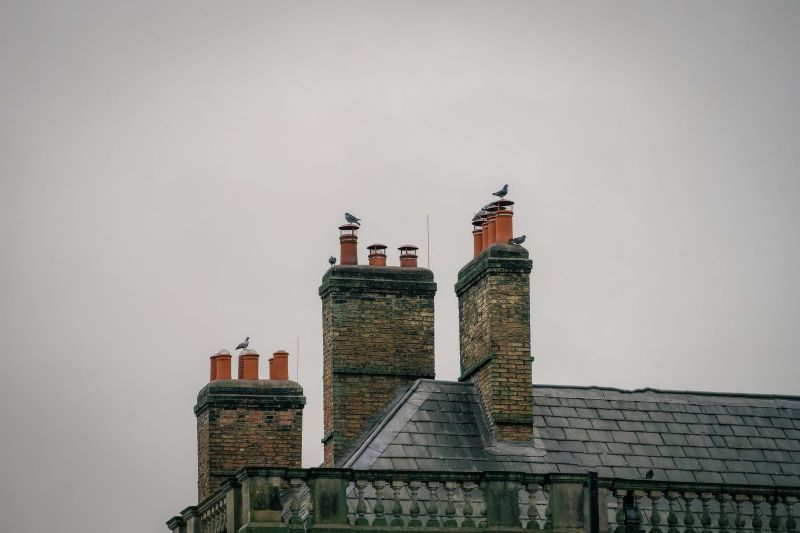
Chimney capping, cap and vent fitted, re-pointing top courses, standard two-storey house: £350 - £700.
Capping with new flaunching and pot re-bedding: £500 - £950.
Chimney stack removal to roof level, roof made good with matching tiles or slate, scaffold included: £1,200 - £2,500.
Removal of a taller or shared stack, more complex access and Party Wall arrangements: £2,500 - £4,000.
Full internal chimney breast removal, with structural support and building control: £3,000 - £6,500 depending on the number of floors.
Scaffold is the biggest swing factor and often makes up £500 to £900 of a removal quote on its own, so combining chimney work with any other roof repairs in the same scaffold visit saves money. It's always worth asking whether a re-point, ridge repair or gutter job can be done at the same time.
We've also written about the wider picture of stack maintenance in our guide to slipped and loose roof tiles in Winchester, which covers how weather works on the older roofs here and is worth a read if your stack sits on Victorian tiling.
Keeping the Roof Watertight After the Work
Whether you cap or remove, the weak point afterwards is the junction where old meets new. On a capped stack that's the flaunching and the top few courses of pointing. On a removed stack it's the tile or slate patch and the felt beneath it. Both need to be finished by someone who understands how Winchester weather drives rain, because a south-westerly can push water sideways into a poorly finished joint.
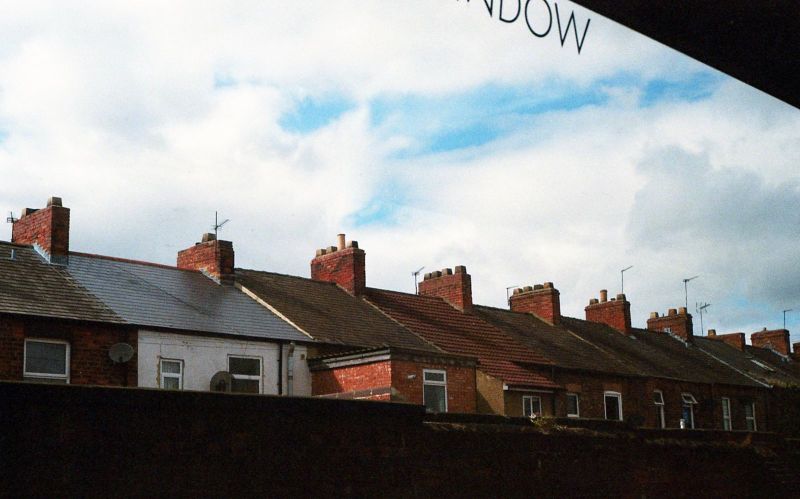
Ask for the work to be guaranteed and get the details in writing, including exactly what making-good is included. A good sign is a contractor registered with a recognised competent-person scheme; you can check credentials and find vetted local firms through the TrustMark government-endorsed quality scheme, which covers roofing and building trades across Hampshire. Roughly 30% of the remedial jobs we're called to are re-doing a cheap cap or patch that failed within a couple of winters, so paying for the job to be done once is the cheaper path over ten years.
After the work, a quick visual check from the ground each autumn is enough. If you see a stain appear on the chimney breast inside, or fresh mortar debris in the fireplace, get it looked at before the next wet spell rather than after.
---
FAQ
Q: Do I need planning permission to remove a chimney in Winchester?
A: For most unlisted homes outside conservation areas, removing a chimney down to roof level is permitted development and doesn't need planning permission. But if your property is listed, or sits in one of Winchester's conservation areas, you may need listed building consent or planning permission, because the stack can be part of the protected character. Always check with Winchester City Council before starting.
Q: Is capping cheaper than removing a chimney?
A: Yes, considerably. Capping a stack on a standard Winchester house typically costs £350 to £700, while removing the stack to roof level and making the roof good runs £1,200 to £2,500. Capping is faster too, usually half a day to a day, and it keeps the roofline intact, which matters in conservation areas.
Q: Why does a capped chimney still need a vent?
A: Because sealing a flue completely airtight traps moisture in the masonry, which then condenses inside the stack and shows up as damp on the chimney breast indoors. A proper cap allows a small trickle of ventilation so the flue can breathe. Around a quarter of the damp-chimney callouts we attend in Winchester are caused by flues capped without a vent.
Q: Can I remove a chimney I share with my neighbour?
A: Not on your own. Shared stacks straddle the party wall between two homes, and removing one usually requires your neighbour's agreement and a formal notice under the Party Wall Act. Around 40% of removal enquiries in Winchester's older terraces involve a shared stack, so it's worth confirming ownership before planning the work.
Q: How long does chimney work take on a Winchester house?
A: Capping a standard two-storey stack takes half a day to a day. Removing a stack to roof level and re-tiling the area typically takes one to two days once scaffold is up. Full internal chimney breast removal is a bigger job of several days because it involves structural support and building control sign-off.
---
Ready to work with Roof Repairs Winchester?
Let's connect! We’re here to help.
Send us a message and we’ll be in touch.
Or give us a call today at 01962 462074
Agency Contact Form
More Marketing Tips, Tricks & Tools