Party Wall Roof Work in Winchester: Shared Roofs, Notices and 2026 Costs
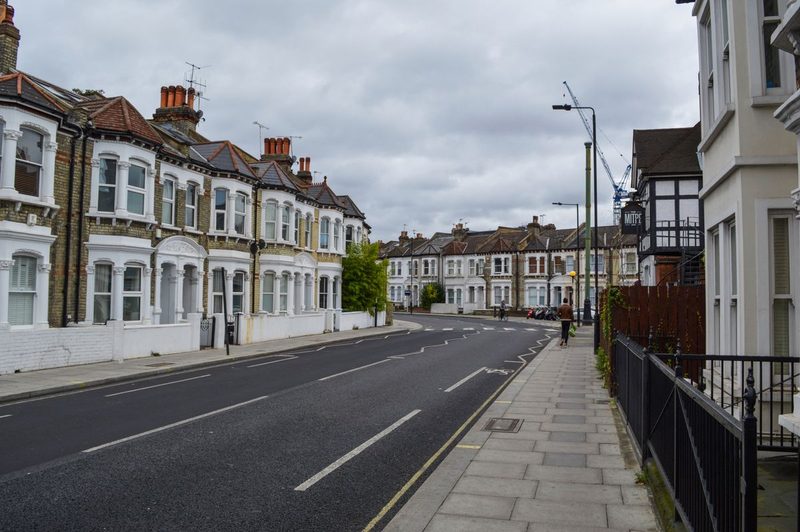
Party wall roof work in Winchester catches out more homeowners than almost any other part of a roofing job, mostly because nobody mentions it until the scaffold is booked. A big share of the city's housing is terraced or semi-detached, from the Victorian streets of Fulflood and Hyde to the Edwardian semis in Stanmore and St Cross, and every one of those roofs shares a wall, a ridge or a gutter with next door. Some roof jobs trigger the Party Wall etc. Act 1996 and need 1-2 months' written notice. Plenty don't. Get it wrong and a neighbour can seek an injunction that stops work mid-job, with scaffold hire running at £150-£300 a week while it sits there. Winchester sees around 800mm of rain a year, below the UK average of roughly 1,160mm, but its damp, mild winters still leave little room for a roof standing half-stripped. This guide covers which jobs count, what notice to serve, who pays the surveyors and what it all costs in 2026.
Which Party Wall Roof Work in Winchester Triggers the Act
The Act covers work to a "party structure", which on a terrace or semi usually means the wall you share with next door, including the bit that runs up through the loft and sometimes above the roofline as a parapet. The roof jobs that commonly need notice are:
- Raising the party wall, for example to build up a mansard or a higher roof on a loft conversion
- Cutting into the party wall to take steel beams or padstones, which happens on most loft conversions
- Cutting into the wall to fit flashings or other weatherproofing at a junction with next door's roof
- Taking down, rebuilding or cutting away a chimney stack or breast that sits on the party wall
- Cutting off projecting footings, eaves or cornices that overhang the boundary
If you're not sure which side of the line your job falls on, Roof Repairs Winchester can look at the roof and tell you before you spend anything on surveyors. The official government guide to party walls and building work is also a sensible, short read.
On roughly 60-70% of loft conversions in Winchester terraces we'd expect at least one notifiable item, usually the steels. On straight roof repairs the figure is much lower, probably under 10%.
Like-for-Like Re-Tiling on a Shared Ridge Usually Doesn't Need Notice
Stripping and re-covering your half of a terrace roof in the same material is normally outside the Act. You aren't cutting into or raising the party wall, you're replacing what's on your side of it. The same goes for replacing battens and underlay, fixing slipped tiles, re-bedding your half of a ridge or renewing your own gutters.

There are a couple of grey areas. If the roofer has to chase a new line into the party wall for a lead flashing where your roof meets next door's higher one, that can count. And where the wall rises through the roof as a coped parapet, rebuilding the coping or capping is work to the party structure. A good rule of thumb: if the job touches the wall itself rather than the tiles either side of it, ask before you start.
Even when no notice is needed, tell your neighbour. Roughly a third of party wall disputes start with "nobody told us", not with any actual damage. A friendly note a fortnight before the scaffold goes up costs nothing.
Notice Periods, Templates and the 14-Day Reply
The Act sets out three main notices, and the roofing ones tend to fall under the first:
- Party structure notice (section 3) - at least 2 months before work to the party wall itself
- Line of junction notice (section 1) - at least 1 month before building a new wall on the boundary
- Adjacent excavation notice (section 6) - at least 1 month, rarely relevant to roofs
Your neighbour has 14 days to respond. They can consent, consent with conditions, or dissent. If they say nothing in those 14 days, the law treats it as a dispute, and you'll need a surveyor to draw up an award. A notice also lapses if work hasn't started within 12 months, which matters if your loft conversion is waiting on a slow planning decision.
The Party Wall etc. Act 1996 explanatory booklet includes example notice wording. You can serve notices yourself, and many Winchester homeowners do, saving £100-£250 against having a surveyor draft them.
Party Wall Surveyor Fees in Winchester and Who Pays
Under the Act, the owner doing the work (the "building owner") normally pays all reasonable surveyor fees, including the neighbour's surveyor. That surprises a lot of people. Typical 2026 figures across Hampshire:
- Serving notices only: £100-£250 per neighbour
- One agreed surveyor acting for both sides: £900-£1,500
- Two surveyors (one each): £1,800-£3,200 in total
- Schedule of condition photos of the neighbour's loft and top-floor rooms: often included, or £150-£300 extra
On a mid-terrace you may have two neighbours, which doubles the paperwork. A Winchester loft conversion on a mid-terrace can easily carry £2,000-£5,000 of party wall costs before a tile is lifted, so put it in the budget early. Surveyors who specialise in party walls aren't thick on the ground in the district, and lead times of 3-6 weeks are common in spring and summer.
Shared costs in flats and leasehold houses
Party wall rules sit alongside, not instead of, any lease. If your building is split into flats, who pays for roof work is usually governed by the lease and the service charge, and bigger jobs may need a formal consultation. We've written about this in our guide to roof repairs on Winchester flats, service charges and Section 20, which is worth reading before you serve any notice on a converted terrace.
Shared Ridges, Valleys and Box Gutters Between Neighbours
Plenty of Winchester terraces have features that physically straddle the boundary. A single ridge line runs across the whole row. Back-to-back roofs often meet in a valley or a lead-lined box gutter that drains both houses. Butterfly roofs in older Victorian terraces drain into a central gutter behind a parapet, and that gutter is often shared.

When these fail, the fix rarely stops neatly at the boundary. A lead valley that's split on your side will usually be 40-60 years old on their side too. In practice the cleanest approach is a joint job: one scaffold, one roofer, costs split 50/50 or by length of run. Typical 2026 prices for a shared section:
- Re-bedding a shared ridge across two houses: £600-£1,200 total
- Replacing a shared lead valley (4-6m): £1,400-£2,800 total
- Relining a shared box gutter in lead or GRP: £1,200-£3,000 total
If next door won't contribute, you can repair your own side, but water doesn't respect boundaries. A half-done valley is a common source of the leaks we get called out to in November and December, when Winchester's wettest months arrive.
Getting it in writing
For any shared job, put a one-page agreement in writing: what's being done, who's paying what, and who the roofer is working for. It saves arguments if something goes wrong a year later.
Chimney Stacks and Loft Fire Breaks on Old Party Walls
Many Winchester terraces built before about 1900 have chimney stacks sitting right on the party wall, serving fireplaces on both sides. Taking one down, even if your fireplaces are long gone, almost always needs a party structure notice because half the stack may be your neighbour's. Rebuilding a leaning or spalling stack in the same position also counts as work to the party structure. Expect £1,500-£3,500 to rebuild a shared stack from roof level, often split between the two owners.

Then there's the loft. In a lot of Victorian and Edwardian terraces, the party wall stops at ceiling level or rises as a thin half-brick wall with gaps under the tiles. Some have no wall in the roof space at all, just open rafters running across several houses. That's a fire risk, and it also lets damp, draughts and sometimes vermin move between lofts. Building up the wall to the underside of the roof, as Building Regulations will require on a loft conversion, is notifiable work. A simple fire-stopping job in blockwork usually costs £800-£1,800 per wall.
Matching Reclaimed Clay Tiles Across the Boundary in Conservation Areas
Winchester has dozens of conservation areas, and the city centre one covers most of the older terraced streets. In those areas the planners care about how the whole row looks from the street. Put new machine-made tiles on your half of a handmade clay terrace roof and the join shows from 50 metres away, which can bring a letter from the council's conservation team.

The usual answer is reclaimed handmade clay tiles, matched in colour and size to next door. Reclaimed peg and plain clay tiles cost roughly £1.20-£2.50 each in 2026, against £0.60-£1.00 for new machine-made ones, and a typical terrace half-roof takes 3,000-5,000 tiles. Some homeowners agree with the neighbour to swap or share stock, or to strip the street-facing slope and reuse the best tiles there, using new ones on the hidden rear slope. Check the Winchester City Council planning pages before you change anything visible, especially if the house is listed or covered by an Article 4 direction.
Party wall awards can also record that tiles and leadwork disturbed on the neighbour's side will be put back to match. Get that in writing, because a roofer who's careless at the junction can leave a strip of mismatched tiles on a roof that isn't even yours.
What Party Wall Roof Work in Winchester Costs in 2026
Pulling it together, here's a rough idea of the party wall side of common roof jobs on a Winchester terrace or semi:

- Like-for-like re-roof, no notice needed: £0 extra, though a polite letter is still wise
- Re-roof with new flashings chased into a higher party wall: £100-£1,500, depending on whether the neighbour consents
- Rebuilding a shared chimney stack: £1,500-£3,500 build cost, plus £900-£1,500 for one agreed surveyor if needed
- Loft conversion on a semi: £900-£3,200 in surveyor fees
- Loft conversion on a mid-terrace: £1,800-£5,000+ for two neighbours
The cheapest outcome by far is a neighbour who signs the consent form. Talk to them first, show them the drawings and offer a schedule of condition anyway. It takes an afternoon and can save you £2,000.
Frequently Asked Questions About Party Wall Roof Work in Winchester
Do I need a party wall agreement to re-roof my terraced house in Winchester?
Usually not. Replacing tiles, battens and underlay on your own side like-for-like isn't covered by the Act. You'd need notice if the work involves cutting into, raising or rebuilding the party wall, including chimney stacks and parapets on the boundary.

How much notice do I have to give my neighbour?
Two months for work to the party wall itself and one month for building a new wall on the boundary line. Your neighbour has 14 days to reply, and silence counts as a dispute.
Who pays the party wall surveyor?
The owner having the work done normally pays all reasonable surveyor fees, including the neighbour's surveyor. In Winchester that's typically £900-£1,500 for one agreed surveyor and £1,800-£3,200 for two.
Can I repair just my half of a shared valley or gutter?
Yes, but water flows across the boundary, so a half-repair often fails. A joint job with costs split between neighbours usually works out cheaper and lasts longer.
Ready to work with Roof Repairs Winchester?
Let's connect! We’re here to help.
Send us a message and we’ll be in touch.
Or give us a call today at 01962 462074
Agency Contact Form
More Marketing Tips, Tricks & Tools