Frost and Freeze-Thaw Damage to Winchester Roofs: Why Clay, Flint and Old Mortar Fail Over Winter
Winchester records somewhere in the region of 40 to 55 air frosts in an average year, and considerably more ground frosts. That sounds mild, and in terms of comfort it is. In terms of masonry and roof coverings it is close to a worst case. The material damage done by frost is not caused by cold - it is caused by crossing zero repeatedly , because each crossing is a cycle of water expanding by roughly 9% inside a pore or a crack and then releasing. A roof in the Scottish Highlands may freeze in November and stay frozen; a roof in Winchester freezes and thaws several dozen times between November and March. On the chalk downland the city sits in, with high humidity in the Itchen valley and a housing stock full of hand-made clay tile, flint, lime mortar and natural slate, that cycling is the dominant cause of roof deterioration. The useful part is that almost all of it is visible in September and October, and most of it is cheap to address before it becomes expensive.
How Freeze-Thaw Actually Destroys a Roof
The mechanism matters because it tells you where to look.
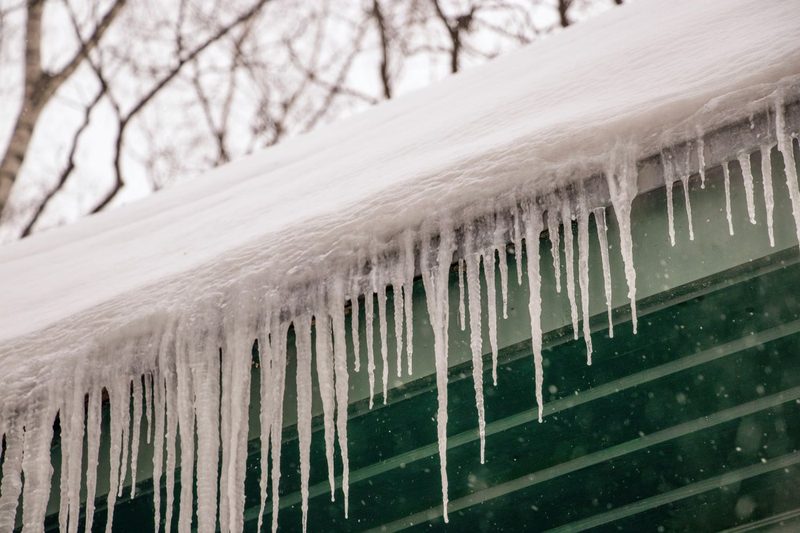
Water enters any porous material - clay, mortar, stone, brick - and sits in the pore structure. When it freezes it expands by about 9%. In a saturated pore with nowhere for that expansion to go, the pressure generated can reach several megapascals, which is enough to exceed the tensile strength of the material. Each cycle opens the pore very slightly. Repeat it 40 times a winter for 20 winters and the surface fails.
The critical variable is saturation , not temperature. A dry material tolerates frost almost indefinitely. A material holding water at 80% or more of its pore volume fails quickly. That single fact explains nearly every frost-related roof problem:
- Moss and lichen hold water against the tile surface, keeping local saturation high going into every frost. This is why frost damage concentrates on the north-facing and shaded slopes rather than the sunny ones.
- Blocked gutters and valleys back water up under tiles and keep timber and mortar wet.
- Failed pointing lets water into the body of a wall or stack rather than shedding it.
- South-west facing elevations take driven rain and saturate fast, then a clear night drops them below zero. Highest cycling, highest damage.
The practical rule follows directly: keeping a roof dry and draining matters more than anything you could do about the cold, and it is entirely within your control. If you want to know which slopes on your own roof are holding water going into winter, an inspection booked before the frosts start is worth far more than one booked after the first leak, because by then the damage has already been done.
Clay Tile and Slate: What Fails and Why
Winchester's period stock carries a lot of hand-made clay peg tile and natural slate, and they fail in quite different ways.
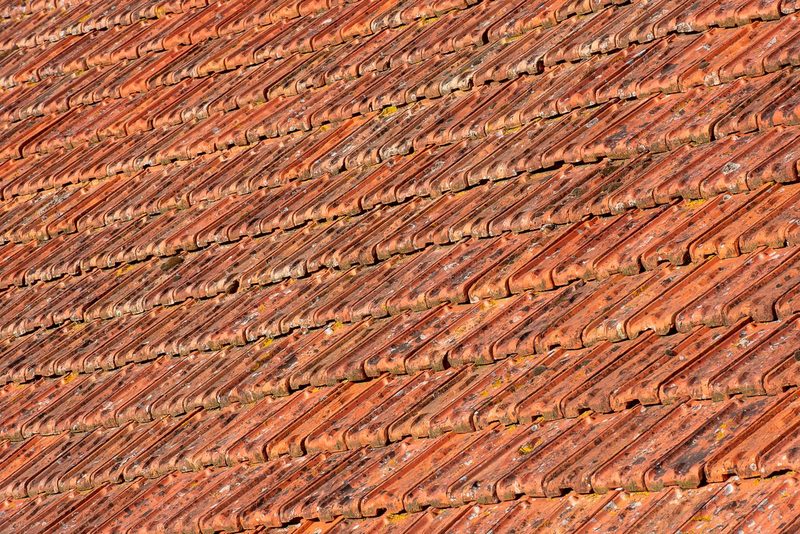
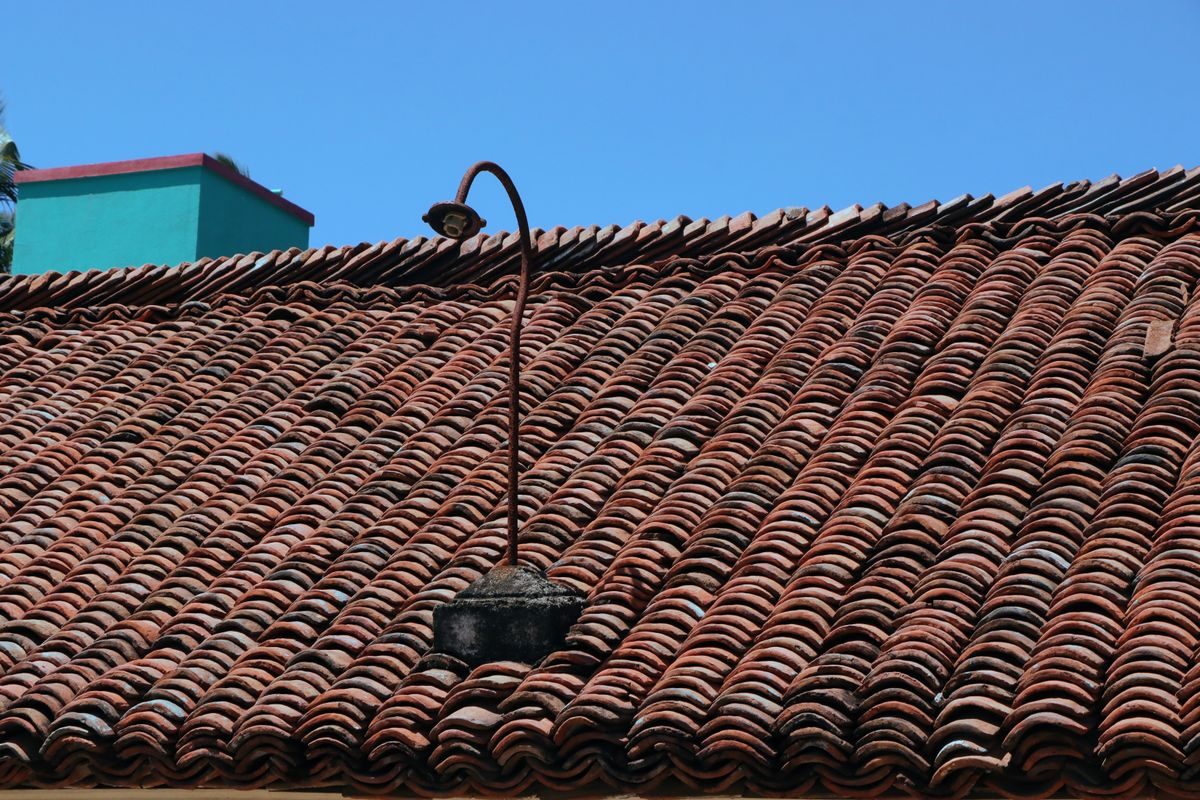
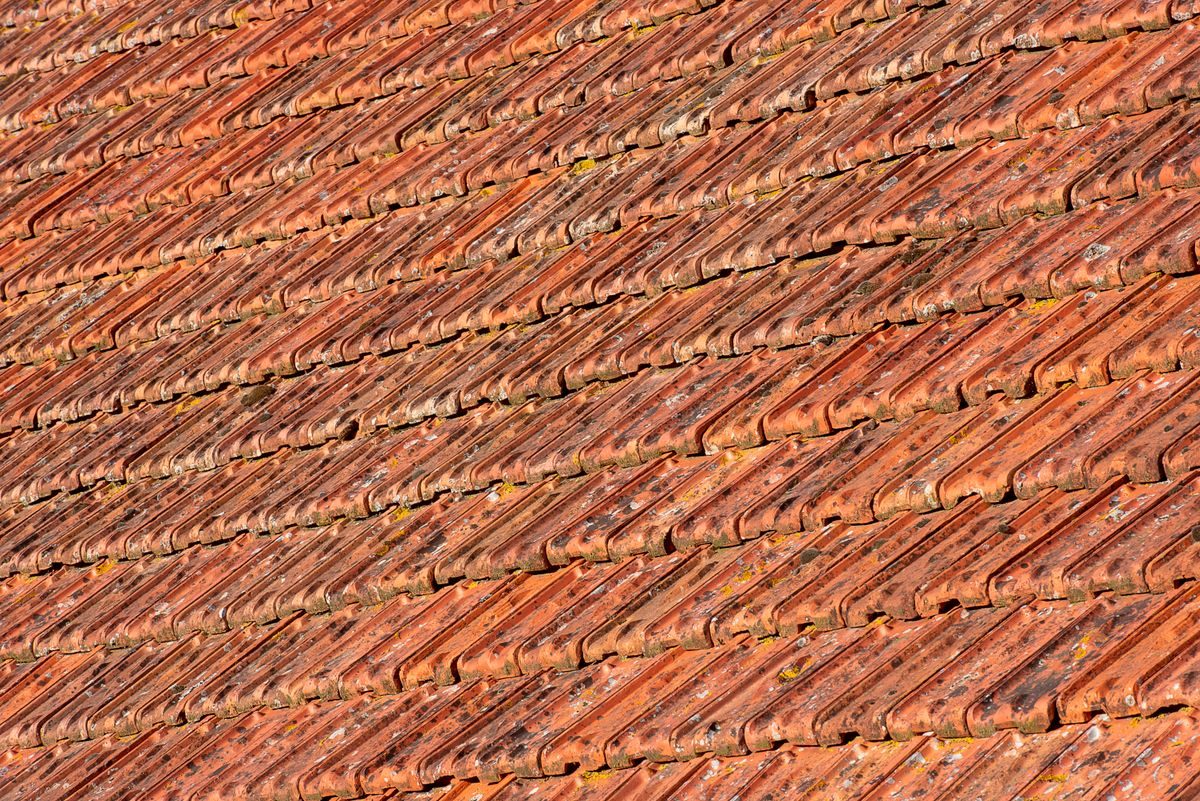
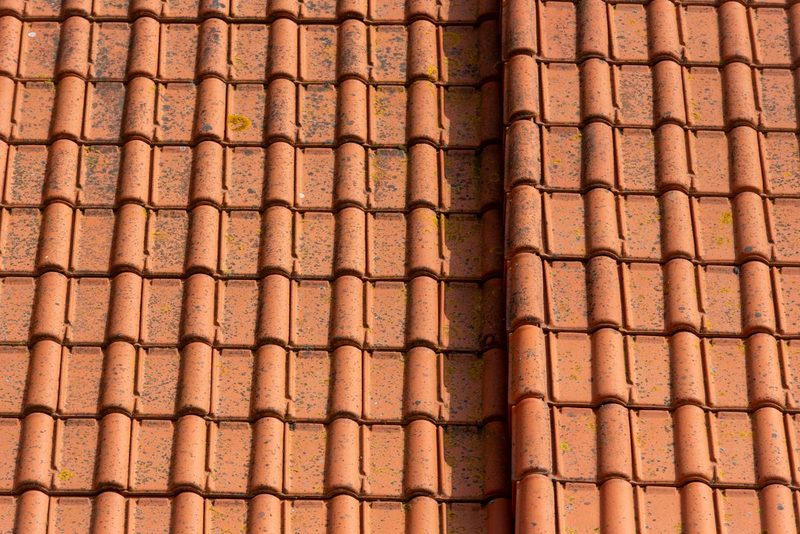
Hand-made clay tiles , common on pre-1900 Winchester properties and throughout the villages, are relatively porous by modern standards. Frost damage presents as:
- Delamination - the tile face flaking away in thin layers, exposing a rougher, more absorbent surface underneath, which then saturates faster and fails faster. Progressive.
- Spalling at the nib and the tail, where the tile is thinnest
- Cracking through the body of the tile, often starting from a nail hole
Good hand-made clay tiles are remarkably durable - genuinely 100 years plus, and Winchester has roofs well past that. Poor ones, particularly some mid-20th-century machine-made replacements used as patches, can fail in 30 to 40 years. A roof with a patchwork of eras often fails unevenly for exactly this reason. Modern clay tiles are tested for frost resistance under published British and European standards, which BSI maintains and publishes, and that is why replacements should be specified rather than picked for colour.
Natural slate is far less porous and largely frost-immune in itself. Slate roofs fail at the fixings , not the slate. Iron or steel nails corrode, and the corrosion is accelerated by the same wet cycling. The result is "nail sickness" - slates slipping in ones and twos across the roof with no pattern, while every slate remains perfectly sound. If you are picking up intact slates from the garden, the roof needs re-nailing or stripping and relaying, not new slates.
Concrete interlocking tiles , on the post-war Winchester stock in Stanmore, Weeke and Harestock, lose their surface coating over 25 to 35 years and become progressively more absorbent. Once the surface has gone matt and slightly rough, freeze-thaw damage accelerates noticeably.
Where the Slipped Tiles Actually Come From
If tiles have already started moving, the cause determines whether you need a £200 repair or a re-nail. We've broken down the mechanisms in our guide to slipped and loose roof tiles in Winchester, what causes them and what to do, which is the companion piece to this one and worth reading if you are already finding debris on the ground.
Lime Mortar, Flint and Winchester's Particular Problem
This is where Winchester genuinely differs from most of England, and where the wrong repair does active harm.
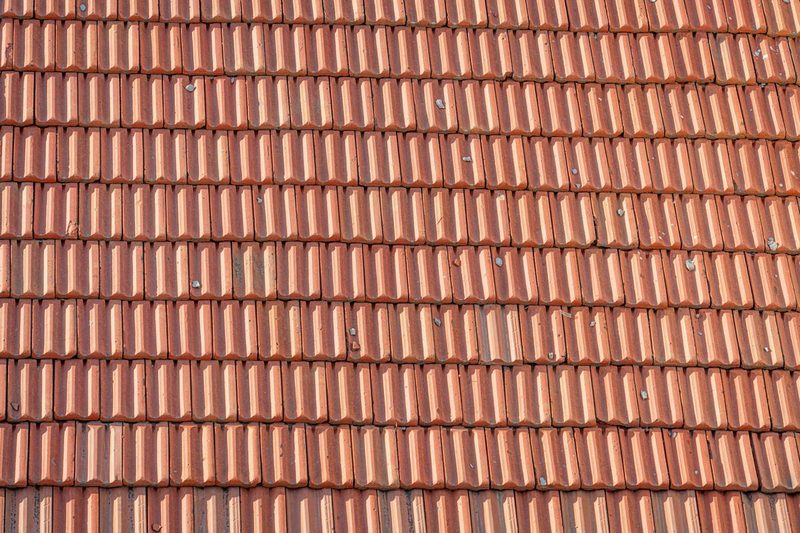
Flint and lime construction is everywhere here - in walls, in chimney stacks, in parapets and in the gable details of buildings across the city and the surrounding villages. Flint is dense and non-porous; the lime mortar around it is porous and is deliberately the sacrificial element. A traditional lime mortar allows moisture to move through it and evaporate out, and it is soft enough to accommodate small movements without cracking.
Repointing flint or soft brickwork in cement mortar breaks all of that. Cement is harder and much less permeable than the surrounding material, so:
- Moisture that used to evaporate through the mortar joint is now forced to evaporate through the flint or brick face instead
- That face then saturates and becomes the thing that spalls in frost
- The cement joint itself survives while the historic material around it is destroyed
- Because cement is rigid, minor movement cracks the joint rather than being absorbed, and the crack channels water inwards
The visible signature is a flint or brick wall with immaculate hard grey joints and crumbling, pitted material between them. It is extremely common on 20th-century repairs to Winchester buildings, and reversing it means raking out the cement by hand, which is slow and expensive.
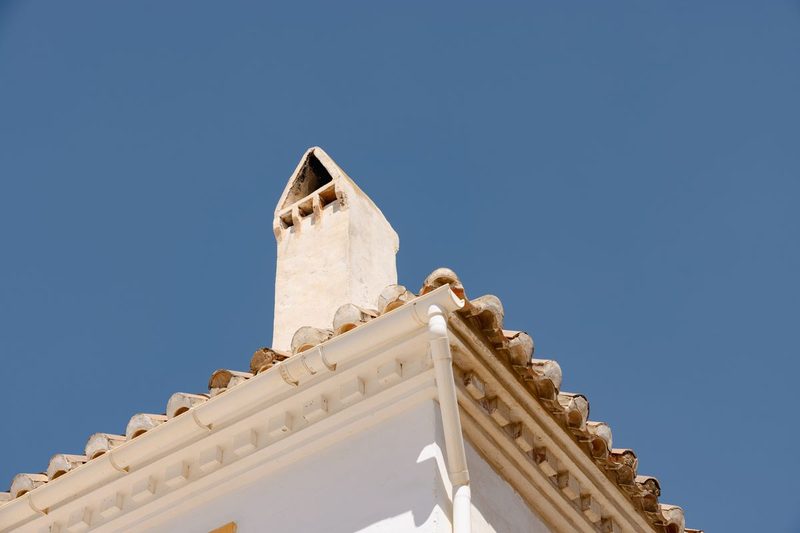
On a chimney stack this matters doubly, because a stack is exposed on all four faces and gets no shelter. Lime mortar flaunching and pointing on a Winchester stack typically needs attention every 15 to 25 years, and it is far cheaper to maintain on that cycle than to rebuild.
If your property is listed or in a conservation area - which covers a very large part of central Winchester - the right mortar is not just technically better, it is likely a condition of consent. Historic England's advice for owners of older homes sets out the principles, and Winchester City Council's conservation team is the point of contact for anything requiring consent.
The Autumn Checks That Prevent Winter Damage
Every item here is cheap, and every one reduces saturation going into the frost season. This is the highest-return maintenance in roofing.
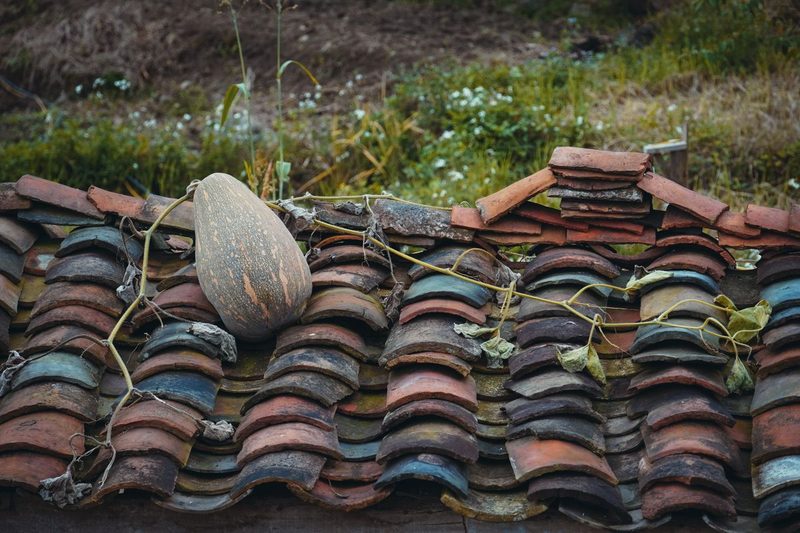
- Clear gutters, valleys and hoppers. £120 to £280 for a typical house. Blocked gutters are behind a large share of winter damp problems, and Winchester's mature tree cover in areas like St Cross, Hyde and along the Itchen makes leaf fall heavy from late October.
- Check and clear valley gutters specifically. On the cross-gabled Victorian properties common here, a blocked valley backs water sideways under the tiles.
- Remove heavy moss from north-facing slopes, carefully. Soft brushing and biocide treatment, £250 to £600. Never pressure wash a clay or slate roof - it drives water under the covering and strips the tile surface, making the frost problem worse rather than better.
- Look at the stack. Flaunching cracked or missing, pointing eroded, pot loose. Binoculars from the garden will tell you most of it.
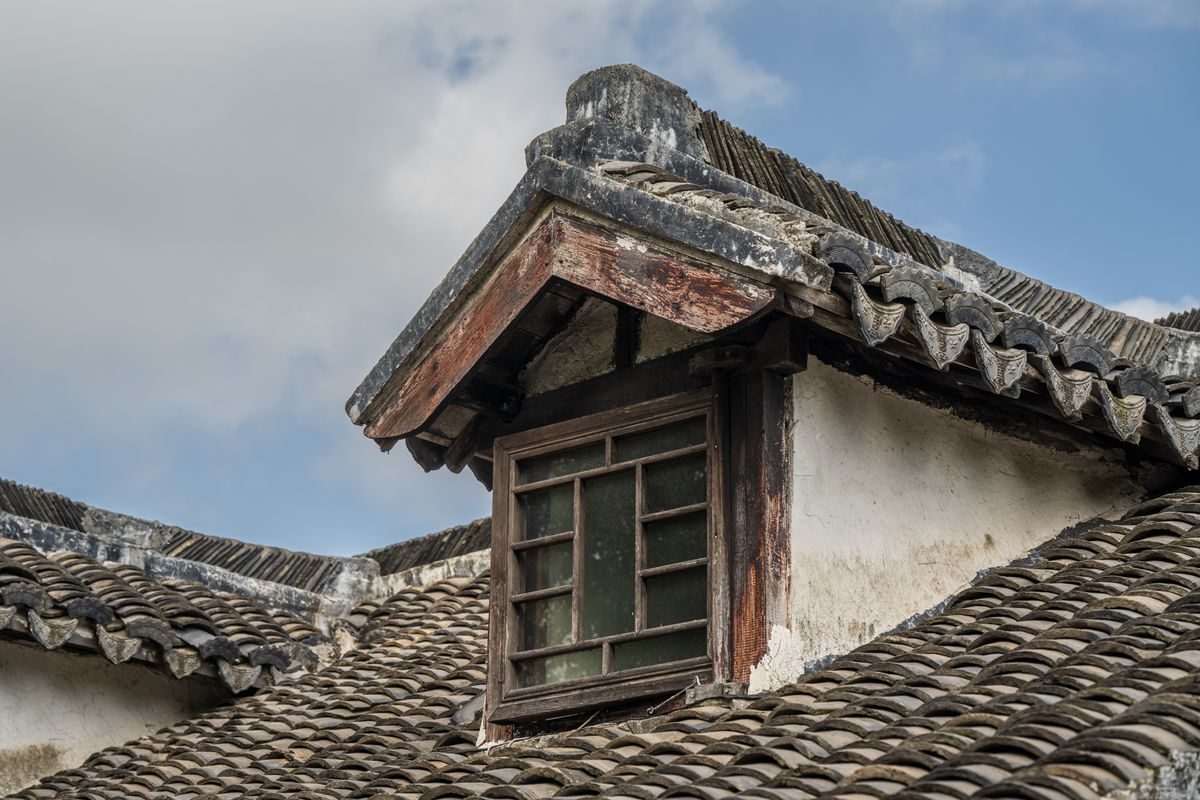
- Check flashings at abutments, chimneys and around dormers for lifted or split lead.
- Replace cracked and slipped tiles now , not in February. £180 to £450 for localised work, and it is the single most cost-effective job available.
- Check loft ventilation. Condensation on the underside of the roof in a cold snap looks exactly like a leak and causes the same rot. Blocked eaves and insulation pushed into the soffit are the usual culprits.
- Make sure downpipes discharge away from the wall , not against the base of it.
Total cost of doing all of that on a typical Winchester period house: roughly £600 to £1,200. The failures it prevents - a rebuilt stack at £2,200 to £4,500, a rotted rafter foot and valley rebuild at £1,500 to £3,000, internal damage and redecoration - run several times higher.
What Winter Repairs Cost in 2026, and What Can Wait
Not everything found in an autumn check is urgent. Triaging honestly saves money.
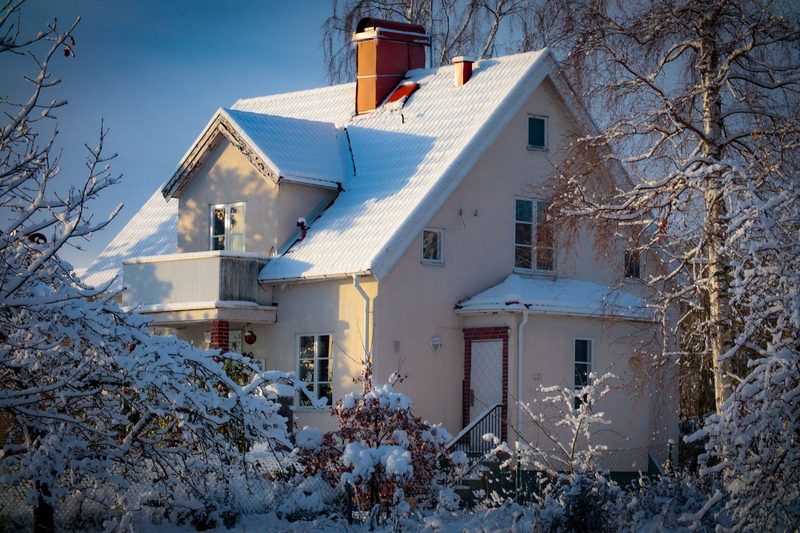
Do before winter:
- Cracked, slipped or missing tiles - £180 to £450
- Gutter and valley clearing - £120 to £280
- Cracked flaunching on a stack - £350 to £700
- Split or lifted lead flashing - £450 to £950
- Blocked loft ventilation - £300 to £800
Can usually wait for spring, if stable:
- Cosmetic pointing where the joint is eroded but not open
- Moss on a south-facing slope, which dries between wettings
- Fascia and soffit renewal where timber is sound
- Full re-pointing of a stack that is not leaking
Plan properly, do not rush:
- Stack rebuild above roof level - £1,200 to £2,800
- Re-nailing or relaying a slate roof - £6,000 to £11,000
- Valley rebuild in lead - £900 to £2,000
- Full re-roof, Winchester property in natural slate or hand-made clay - £14,000 to £28,000, and considerably more where listed building consent dictates materials
That last figure is why the September list matters. The gap between maintaining a period Winchester roof and replacing one is roughly an order of magnitude, and freeze-thaw is the process that moves a roof from one category to the other.
Winchester's Climate in Numbers
Worth having the actual figures rather than impressions.
The city averages around 750mm to 800mm of rainfall a year, close to the England average but delivered across a long, damp season from October to March with relatively few heavy events. The Met Office's UK climate averages let you pull the frost and rainfall record for the nearest station if you want the figures for your own area rather than the city as a whole. That pattern - persistent moderate wetting rather than downpours - is the worst one for saturation, because materials never fully dry out between wettings.
Air frosts number roughly 40 to 55 a year, concentrated December to February, and the Itchen valley floor is a genuine frost hollow. Cold air drains downhill on clear nights, so properties in the lower city, along the river and in valley-bottom villages such as Twyford, Itchen Abbas and Kings Worthy see more frosts and sharper ones than properties up on the downland. If your house sits low and near water, assume more cycling than the city average.
Humidity stays high through the winter, commonly above 85% overnight, which means very little drying happens between November and February. A roof that is wet in December is still wet in February.
The trade for all of this is that Hampshire's roofing labour market is reasonably well supplied but heavily seasonal. Demand spikes hard after the first autumn storm and again after any February cold snap, and in a busy week genuine period-roofing specialists in Winchester are booked three to six weeks out. Anyone with hand-made clay tile, lead or flint work is a smaller subset again. Booking autumn maintenance in September rather than waiting for a problem is partly about the material, and partly about being in the diary before everyone else is.
Frequently Asked Questions
What is freeze-thaw damage on a roof?
Water sitting in the pores of a porous material such as clay tile, mortar or brick expands by about 9% when it freezes, generating enough pressure to open the pore structure slightly. Repeated over dozens of cycles each winter, the surface breaks down - tiles delaminate and spall, mortar crumbles. It is caused by repeatedly crossing zero rather than by extreme cold, which is why mild Winchester winters are damaging.
Why does frost damage affect north-facing roof slopes most?
Because they stay wet. Shaded slopes hold moss and moisture and dry slowly, so the material goes into each frost near saturation, which is the condition in which freeze-thaw does damage. A dry material tolerates frost almost indefinitely.
Should I repoint a flint or period Winchester property in cement mortar?
No. Cement is harder and far less permeable than lime, so moisture that used to evaporate through the joint is forced out through the flint or brick face instead, which then spalls in frost. The joint survives while the historic material is destroyed. Use a lime mortar matched to the original, and check whether consent is needed if the property is listed or in a conservation area.
Can I pressure wash moss off my roof?
No. Pressure washing drives water under tiles and slates and strips the tile surface, leaving it more absorbent and therefore more vulnerable to frost than before. Soft brushing with a biocide treatment is the correct method, typically £250 to £600, and is best done in early autumn.
What should I check on my roof before winter?
Clear gutters, valleys and downpipes; remove heavy moss from shaded slopes; replace cracked and slipped tiles; inspect the chimney flaunching, pointing and pot; check flashings at abutments and dormers; and confirm loft ventilation is not blocked. Doing all of it on a typical Winchester period house costs roughly £600 to £1,200 and prevents failures costing several times that.
```json { "@context": "https://schema.org", "@type": "FAQPage", "mainEntity": [ { "@type": "Question", "name": "What is freeze-thaw damage on a roof?", "acceptedAnswer": { "@type": "Answer", "text": "Water sitting in the pores of a porous material such as clay tile, mortar or brick expands by about 9% when it freezes, generating enough pressure to open the pore structure slightly. Repeated over dozens of cycles each winter, the surface breaks down as tiles delaminate and spall and mortar crumbles. It is caused by repeatedly crossing zero rather than by extreme cold, which is why mild Winchester winters are damaging." } }, { "@type": "Question", "name": "Why does frost damage affect north-facing roof slopes most?", "acceptedAnswer": { "@type": "Answer", "text": "Because they stay wet. Shaded slopes hold moss and moisture and dry slowly, so the material goes into each frost near saturation, which is the condition in which freeze-thaw does damage. A dry material tolerates frost almost indefinitely." } }, { "@type": "Question", "name": "Should I repoint a flint or period Winchester property in cement mortar?", "acceptedAnswer": { "@type": "Answer", "text": "No. Cement is harder and far less permeable than lime, so moisture that used to evaporate through the joint is forced out through the flint or brick face instead, which then spalls in frost. The joint survives while the historic material is destroyed. Use a lime mortar matched to the original, and check whether consent is needed if the property is listed or in a conservation area." } }, { "@type": "Question", "name": "Can I pressure wash moss off my roof?", "acceptedAnswer": { "@type": "Answer", "text": "No. Pressure washing drives water under tiles and slates and strips the tile surface, leaving it more absorbent and therefore more vulnerable to frost than before. Soft brushing with a biocide treatment is the correct method, typically 250 to 600 pounds, and is best done in early autumn." } }, { "@type": "Question", "name": "What should I check on my roof before winter?", "acceptedAnswer": { "@type": "Answer", "text": "Clear gutters, valleys and downpipes; remove heavy moss from shaded slopes; replace cracked and slipped tiles; inspect the chimney flaunching, pointing and pot; check flashings at abutments and dormers; and confirm loft ventilation is not blocked. Doing all of it on a typical Winchester period house costs roughly 600 to 1,200 pounds and prevents failures costing several times that." } } ] } ```
```json { "@context": "https://schema.org", "@type": "Article", "headline": "Frost and Freeze-Thaw Damage to Winchester Roofs: Why Clay, Flint and Old Mortar Fail Over Winter", "description": "Freeze-thaw is the single biggest destroyer of period roofs in Hampshire, and it works on materials that look perfectly sound in September. Here's how it damages clay tile, flint and lime mortar, what to check before winter, and what repairs cost in 2026.", "author": { "@type": "Organization", "name": "The Team" }, "datePublished": "2026-09-22", "dateModified": "2026-09-22", "articleSection": "Roof Repairs" } ```
Ready to work with Roof Repairs Winchester?
Let's connect! We’re here to help.
Send us a message and we’ll be in touch.
Or give us a call today at 01962 462074
Agency Contact Form
More Marketing Tips, Tricks & Tools