Slipped and Loose Roof Tiles in Winchester: What Causes Them and What to Do
Winchester's older housing stock - Victorian and Edwardian terraces around St Giles Hill and Kingsgate, interwar semis in Harestock and Weeke - was built with mortar-bedded clay plain tiles or early concrete tiles that have been on some of these roofs for decades. In that time, the nibs that hook tiles onto battens have aged, the battens themselves have weathered, and the occasional storm has done what storms do. Slipped tiles are the result.
The important thing to understand about a slipped tile is that it's never just a cosmetic issue. The tile that's moved has created a gap in a surface that's designed to be continuous, and that gap is an entry point for water.
What Causes Tiles to Slip in Winchester
Tile nibs wear and break. The nib is the projection on the back of a tile that hooks it onto the batten. In clay tiles particularly, these nibs can become brittle over decades and snap. When the nib fails, the tile has nothing holding it in position except the tiles below it and gravity.
Battens deteriorate. Even pressure-treated timber battens eventually rot or become soft, particularly at the eaves where moisture accumulates. A soft batten won't hold a tile nib. This is a common underlying cause in Winchester's Victorian properties where the roof hasn't been re-battened in the last generation.
Wind events. Winchester sits in a rain shadow of the South Downs but experiences periodic strong wind events, particularly from south-westerly directions in autumn and winter. These are enough to shift tiles that are already loosely held.
Frost heave. Winchester's winters are colder than the coast - the city can see temperatures 2-4°C below Southampton on clear nights. Freeze-thaw cycles affect mortar bedding at hips and ridges, and occasional sharp frosts can affect tile and batten materials.
Roof Repairs Winchester carries out tile replacement, re-fixing, and post-storm inspections across Winchester and the surrounding Hampshire area.
The Risk of Leaving It
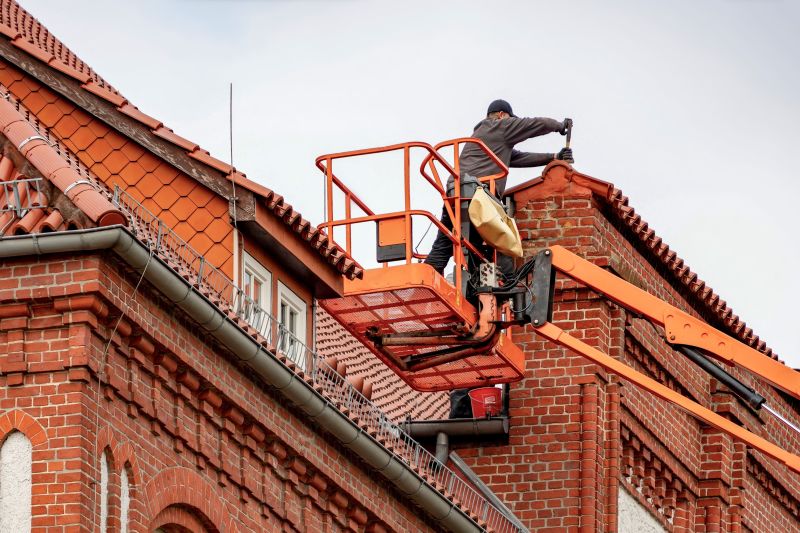
In Winchester's climate - low rainfall compared to much of England, but what does fall tends to come in sustained bursts - a gap in the tile covering matters.
A slipped tile in an otherwise sound roof with good felt below will usually shed water onto the felt, which then directs it to the gutter. This isn't ideal but it's tolerable for a period. An older roof where the felt is also at end of life will let water through to the timbers below. Timber that gets wet repeatedly rots. Rot in rafters or ceiling joists is a structural issue and an expensive repair.
The practical point is: don't wait for an indoor sign. A stain on the ceiling means water has already been getting in for a while. Check the roof from outside periodically, especially after significant weather.
Matching Tiles in Winchester
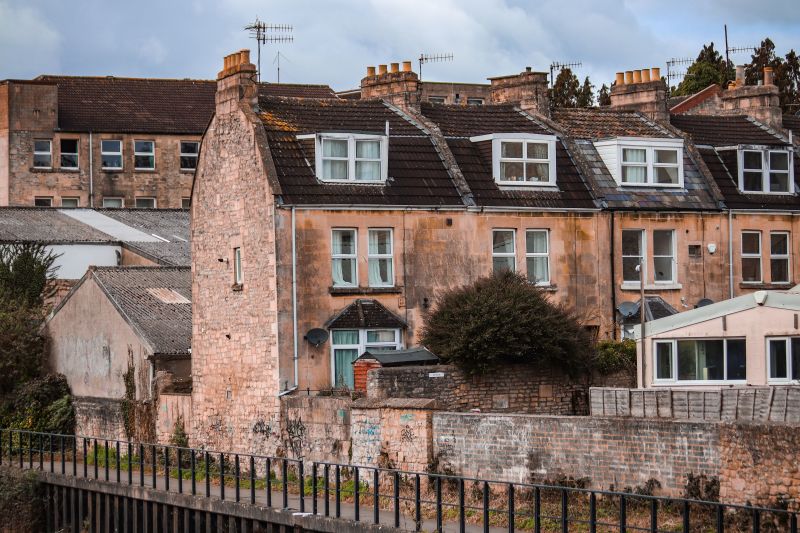
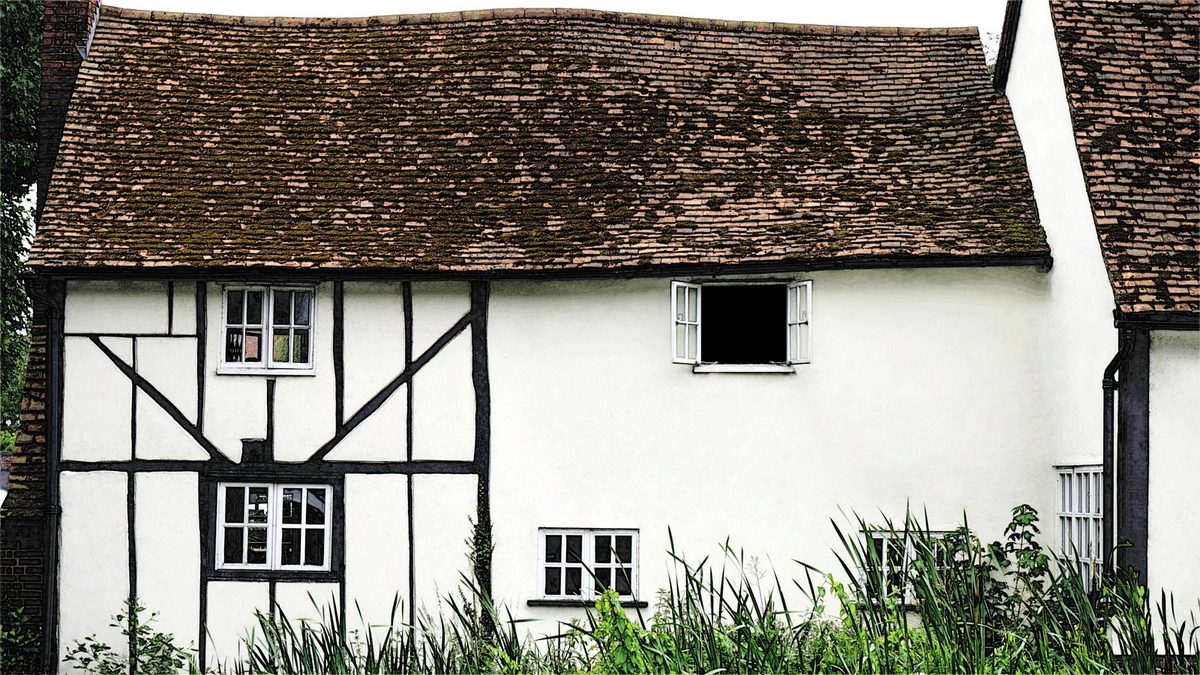
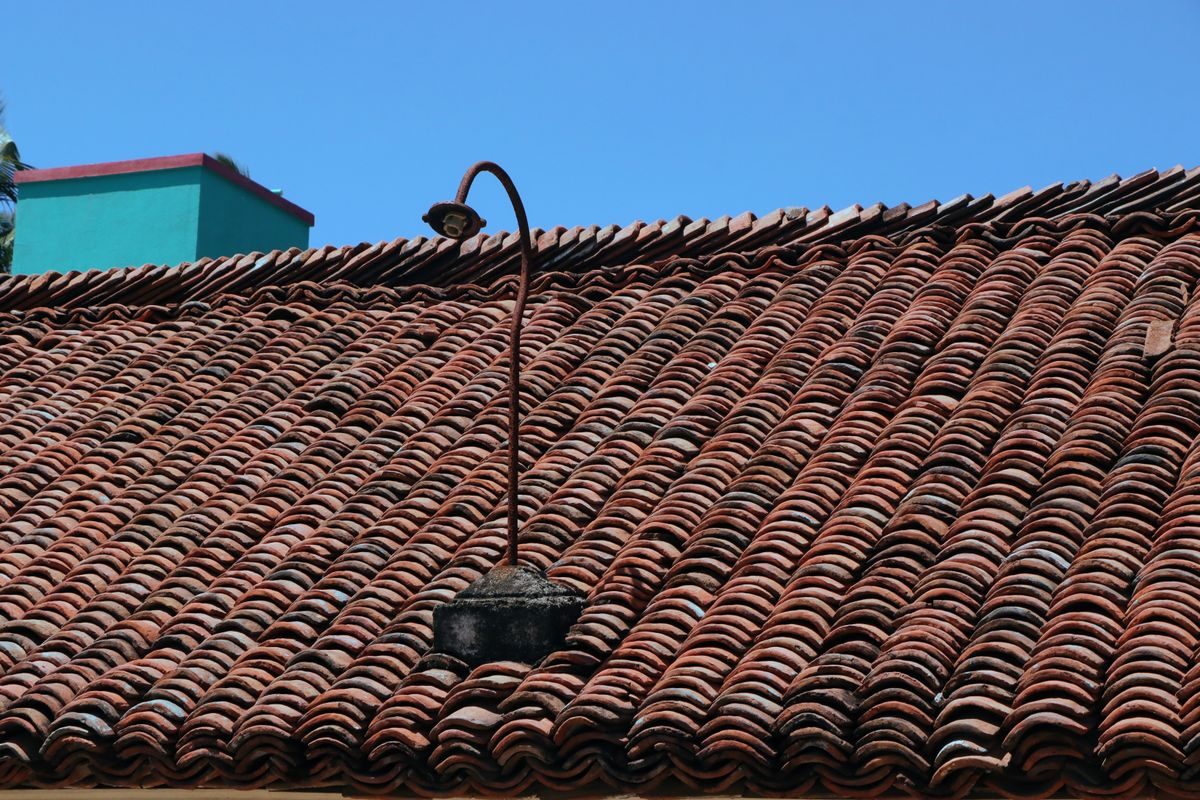
Winchester's housing stock includes a range of tile types. Victorian plain clay tiles in a range of mottled red and buff colours are common in the historic areas. Concrete interlocking tiles in various profiles cover the interwar and postwar stock. Matching replacements to the existing roof - particularly for clay plain tiles where exact colour matching matters - is something a roofing contractor should address at the quote stage, not assume standard stock will do.
Salvage yards hold good stocks of reclaimed Winchester-area clay tiles. A repair that matches the existing roof looks right and doesn't flag itself against the original tiling.
We've covered Winchester roof repair costs more broadly in our Winchester pitched roof repair cost guide, which covers the full range of repair types and what each typically costs in this area.
When Is Re-Battening the Answer

Repeated slipped tiles across an older roof suggest the battens are failing rather than the tiles. Re-fixing the same tiles that keep slipping is treating the symptom. The underlying cause is battens that can no longer hold the tile nibs.
A re-batten - stripping the tiles, replacing the felt and battens, and relaying the existing tiles where they're in good condition - addresses the cause. For a Winchester Victorian or interwar property where the roof structure is sound and the tiles are in reasonable condition, a re-batten is often more cost-effective than a full re-roof with new tiles.
What Slipped Tile Repairs Cost in Winchester

Single tile replacement or re-fixing, including call-out and minor access: £150 - £280.
Small area of slipped tiles, 3-10 tiles: £250 - £500.
Post-storm tile inspection and repair, larger area: £400 - £900.
Re-batten, replacing felt and battens, relaying existing tiles, typical Winchester terrace: £2,500 - £5,000.
Scaffold costs are a significant factor and often make smaller ridge-area repairs seem expensive relative to the work itself. Combining multiple repairs in one scaffold visit is more cost-effective per item.
FAQ
Q: Are slipped roof tiles urgent in Winchester?
Yes - a slipped tile creates a gap in the roof covering that lets water in. In a roof with good felt below, water is redirected to the gutter. In an older roof where the felt is also deteriorating, water reaches the timbers below. Address slipped tiles promptly rather than waiting for indoor signs.
Q: Why do tiles keep slipping on my Winchester property?
Repeatedly slipping tiles usually indicate deteriorated battens rather than a problem with the tiles themselves. Re-fixing the same tiles is treating the symptom. Re-battening - stripping, replacing felt and battens, relaying tiles - addresses the underlying cause.
Q: How do I spot slipped tiles on a Winchester roof?
Check from ground level after significant weather. Misaligned tiles, visible gaps, tiles at odd angles relative to surrounding courses, or tiles that look lower than they should - all are signs. Binoculars help on a two-storey property.
Q: What does a slipped tile repair cost in Winchester?
Single tile replacement costs £150-£280. A small area of 3-10 tiles costs £250-£500. Post-storm repairs for larger areas cost £400-£900. A full re-batten of a typical Winchester terrace costs £2,500-£5,000.
Q: How long should roof tiles last on a Winchester property?
Good quality clay plain tiles can last 60-100+ years. Concrete interlocking tiles typically last 40-60 years. The battens and felt underneath typically need replacing before the tiles themselves fail, which is why repeated tile slippage on an older roof usually points to batten deterioration.
Ready to work with Roof Repairs Winchester?
Let's connect! We’re here to help.
Send us a message and we’ll be in touch.
Or give us a call today at 01962 462074
Agency Contact Form
More Marketing Tips, Tricks & Tools