How Long Does a Roof Last in Winchester? Lifespan by Material, Warning Signs and When to Re-Roof
Ask how long a roof lasts in Winchester and the honest answer is "it depends what's on it", because this city has a wider spread of roof types than most. A handmade clay peg tile roof on a Georgian house in the city centre can still be doing its job after 100 years, while a 1980s felt flat roof on an extension in Weeke may be on its third covering. Concrete tiles on a 1960s semi usually manage 40 to 60 years, natural slate 80 to 150, and thatch anywhere from 15 to 60 depending on the material and the thatcher. Winchester gets roughly 780 to 820mm of rain a year, which is about 30% less than the UK average of around 1,160mm, so roofs here aren't hammered the way they are in Cornwall or Cumbria. Damp, still air in the Itchen valley and plenty of frost do their own slow damage, though. This guide covers realistic lifespans for each material, the signs a roof is wearing out, and how to time a re-roof so you aren't paying for it twice.
How Long Does a Roof Last in Winchester? Lifespans at a Glance
These are the figures we work to on Winchester roofs. They assume the roof was fitted properly in the first place and has had basic maintenance, such as clearing gutters and replacing the odd slipped tile. Neglect knocks years off every one of them.
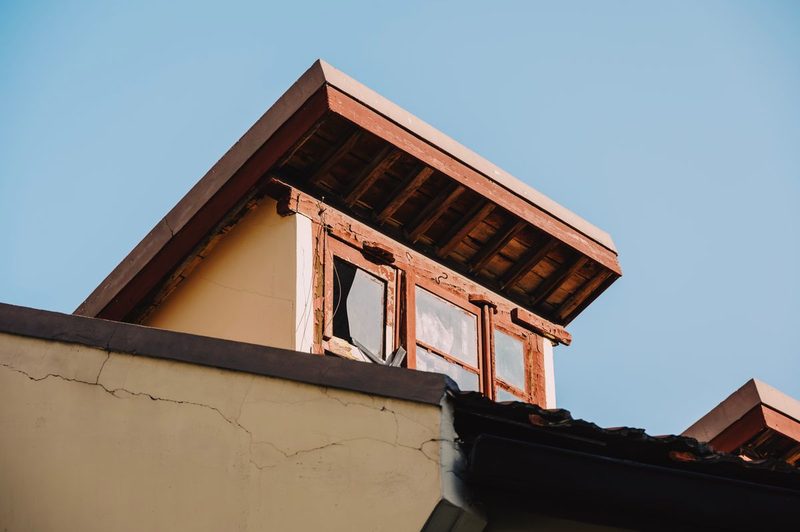
- Handmade clay peg tiles: 60 to 100+ years for the tiles, though battens and fixings usually need renewing after 60 to 80
- Machine-made clay plain tiles: 60 to 80 years
- Natural Welsh or Spanish slate: 80 to 150 years for good slate, with nails often failing at 60 to 100
- Concrete interlocking tiles: 40 to 60 years
- Water reed thatch: 40 to 60 years, with the ridge replaced every 10 to 15
- Combed wheat reed and long straw thatch: 15 to 35 years
- Felt flat roofs: 10 to 25 years depending on the type
- EPDM rubber and GRP fibreglass flat roofs: 25 to 50 years
- Lead bays, flats and valleys: 60 to 100+ years if laid to the correct sizes
If you aren't sure what's on your house, or how old it is, Roof Repairs Winchester can take a look and give you a rough age and condition. Most homeowners guess wrong by 10 to 20 years either way, often because a roof was partly re-covered by a previous owner.
Clay Peg Tiles and Natural Slate: Period Roofs That Outlast Their Fixings
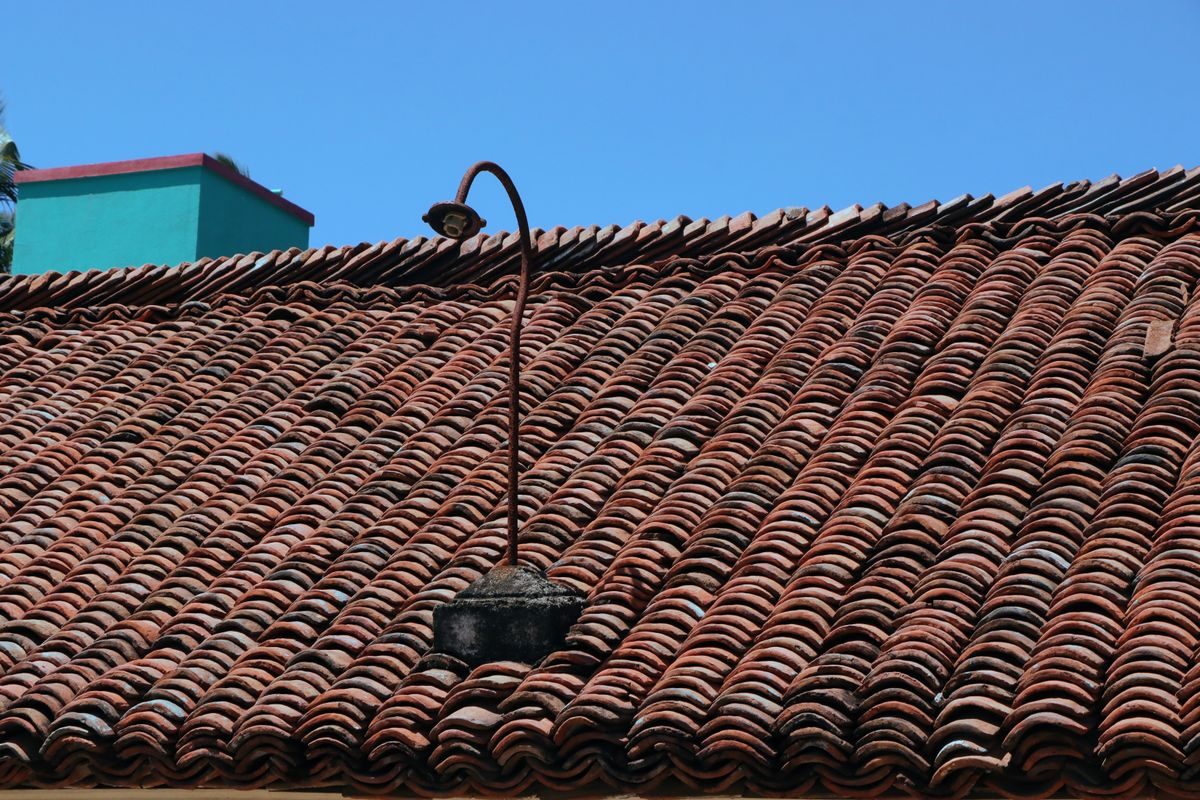
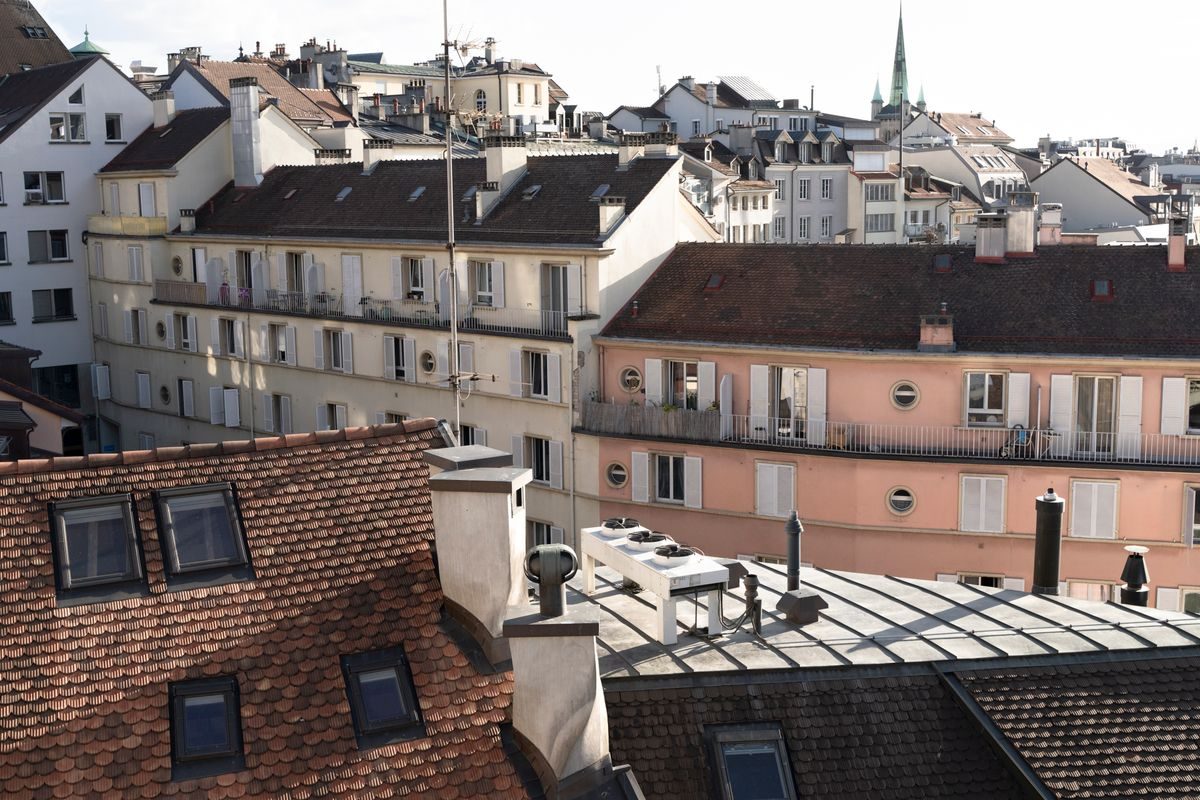
Much of central Winchester, St Cross and Hyde is roofed in handmade clay tiles, with Welsh slate on many Victorian terraces in Fulflood and Stanmore. Both materials last a very long time. The trouble is that the things holding them on don't.
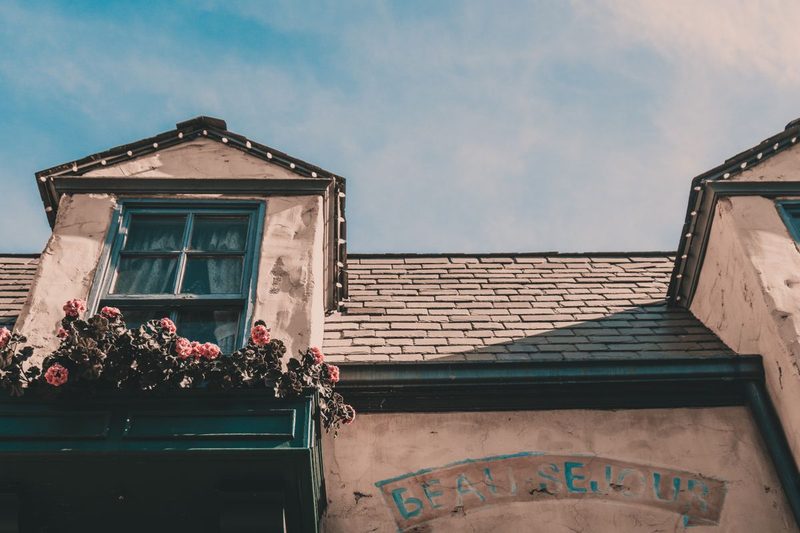
Peg tiles: the oak pegs and battens go first
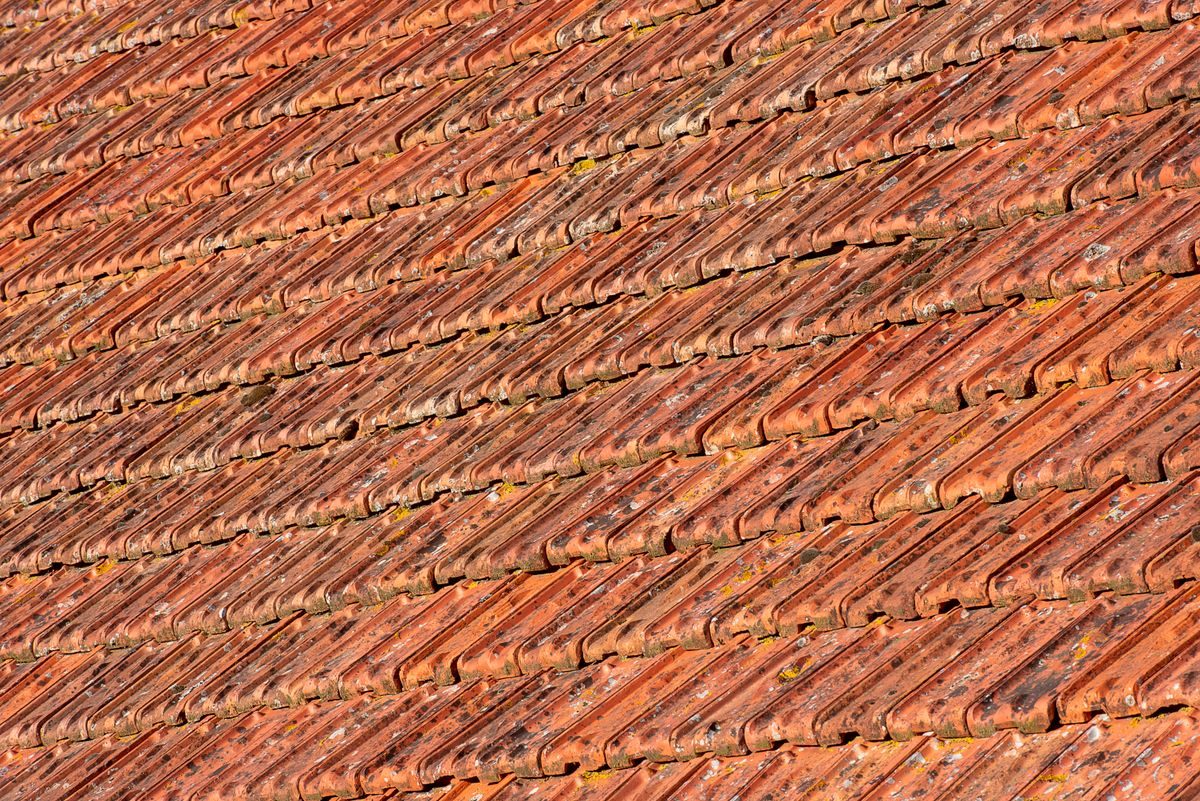
Traditional peg tiles hang from riven oak or softwood laths on a small peg, often with no underlay and lime mortar torching underneath. The tiles can be fine after a century, but pegs rot, laths sag and torching crumbles. By 80 years, many roofs are losing a handful of tiles every winter. That usually means stripping the roof, re-laying sound tiles on new battens and underlay, and topping up with reclaimed tiles, which saves 60 to 80% of the tiles you already own.
Slate: nail sickness, not slate failure
Good Welsh slate rarely wears out. The iron nails holding it do, rusting through after 60 to 100 years. The tell-tale sign is slates slipping one or two at a time, often after a windy spell, sometimes with a lead tingle or two already holding up earlier casualties. If more than about 10 to 15% of slates have been tingled or replaced, the roof has reached the point where re-nailing the whole slope with copper or stainless steel nails costs less than chasing slips for another decade.
Concrete Tiles on Post-War and Modern Winchester Homes
From the 1950s onwards, concrete interlocking tiles became the default on new estates, and they cover most homes in Harestock, Badger Farm, Oliver's Battery and Kings Worthy. They're cheap and quick to lay. They also wear out differently from clay.
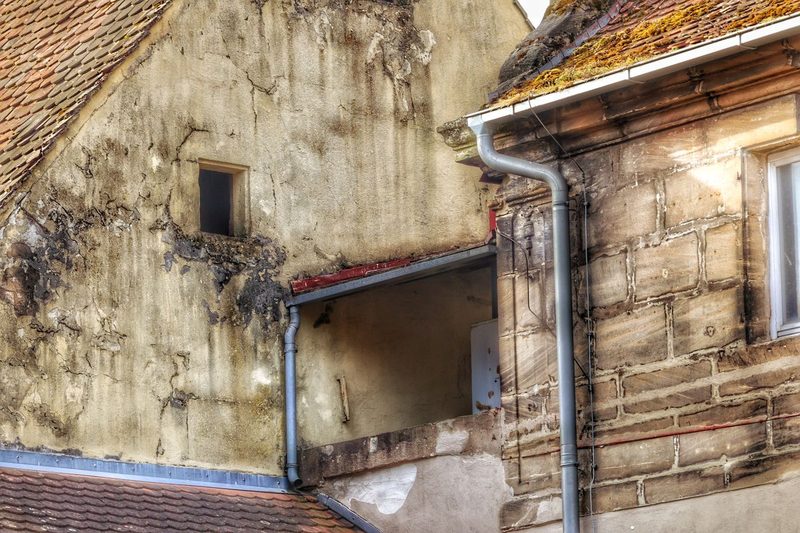
Concrete tiles slowly lose their surface. Rain and frost erode the cement paste, the coloured granules wash off, and the tile becomes rougher, more porous and heavier with moss. After 40 years, a typical concrete tile can absorb noticeably more water than when it was new, and on north-facing slopes under trees, which describes plenty of Winchester gardens, that shows up as thick moss and lichen. By 50 to 60 years the tiles themselves are often fine to walk on but past their best.
The underlay usually sets the deadline before the tiles do. Most roofs from the 1960s to the 1990s have black bitumen felt, which turns brittle and tears along the eaves after 40 to 50 years. Water then runs behind the gutter and rots the fascia and the ends of the rafters. Once that happens, the roof is due regardless of how the tiles look from the street.
Thatch Lifespan in the Villages Around Winchester
Hampshire has a long thatching tradition, and you'll find thatched cottages in villages along the Itchen and Test valleys within a short drive of the city. Thatch lifespan varies more than any other roof covering, and whether it's reed or straw tells you more than the date it went on.
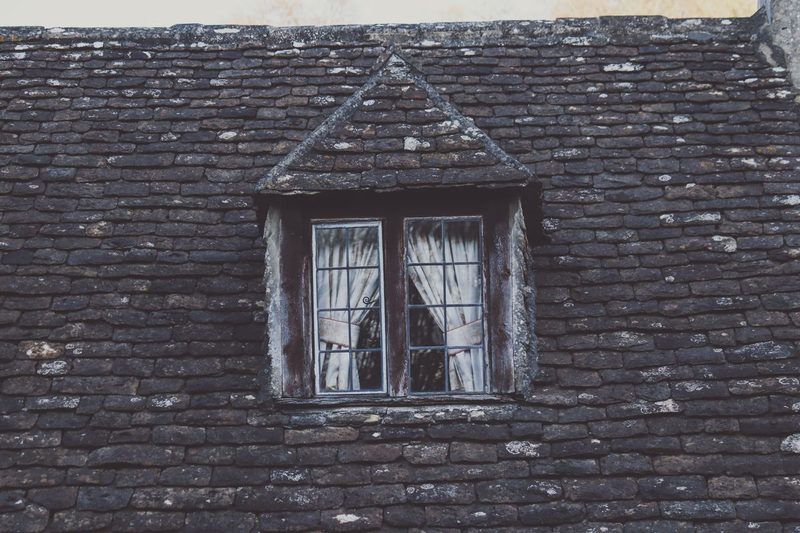
- Water reed: 40 to 60 years on a well-pitched roof, though less in damp, shaded spots
- Combed wheat reed: 25 to 35 years
- Long straw: 15 to 25 years
- Ridges in any material: replaced every 10 to 15 years, at roughly £3,000 to £6,000
Damp is what shortens thatch. Thatch under overhanging trees or on a low pitch stays wet for longer after rain, and fungal decay speeds up. Winchester's sheltered valley locations can be humid, which is one reason the same material might last 10 years less on a cottage tucked under trees than on an exposed one. Skilled thatchers in Hampshire are booked months ahead, so plan a re-thatch or a new ridge at least 6 to 12 months in advance. The Society for the Protection of Ancient Buildings' advice pages are a good starting point if you own a thatched or historic home and want to understand traditional repair.
Flat Roofs and Leadwork: The Shortest and Longest Lives on One House
It's common in Winchester for the same period house to carry both its longest-lived and shortest-lived roof coverings: a lead bay or valley that has lasted a century, and a felt flat roof on the back extension that's leaking after 15 years.
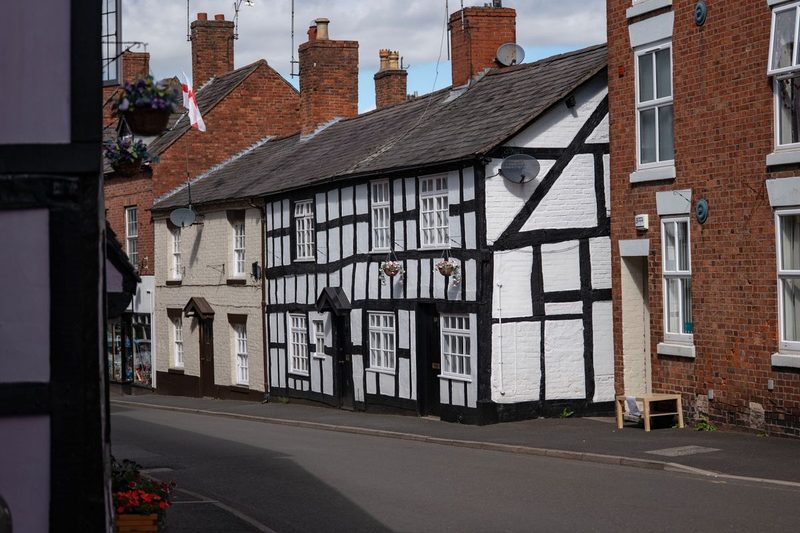
Flat roof coverings
Old built-up felt was laid in two or three layers and usually lasts 10 to 20 years. Modern torch-on felt manages 15 to 25. EPDM rubber is typically guaranteed for 20 years and often lasts 30 to 50, and GRP fibreglass lasts 25 to 30 or more. The deck underneath matters just as much. Chipboard decks from the 1970s and 1980s go soft once water gets in, and if the boards flex underfoot, no new membrane will last its full life. Garage roofs follow exactly the same pattern, and we've covered them in more detail in our guide to garage roof replacement in Winchester for felt, asbestos sheets and EPDM.
Lead: long-lived if it's the right size
Properly laid lead sheet can last 60 to 100 years or more. Lead fails early when pieces are too large or too thin for the job, because it expands and contracts with temperature and needs room to move. Oversized pieces crack along the folds in 20 to 30 years. If you see splits in a lead bay roof or valley, it's usually a fitting problem rather than old age, and replacing the whole lot to the correct sizes is better value than patching.
Signs Your Winchester Roof Is Near the End of Its Life
Roofs rarely fail overnight. Most give a few years' notice, and spotting it early means you choose when the work happens rather than the weather. Look out for these:
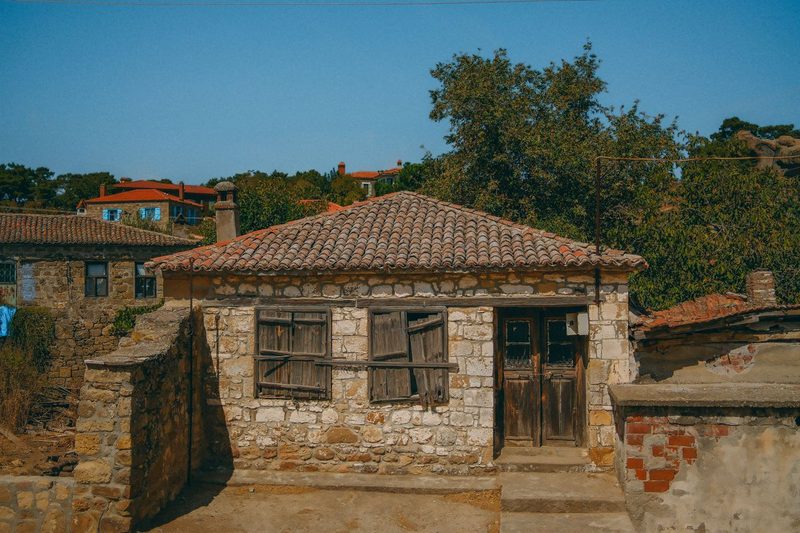
- Slipped or missing tiles or slates more than once or twice a year
- Daylight visible through the roof from inside the loft
- Torn or sagging underlay at the eaves, or bitumen felt that crumbles when touched
- Damp patches on bedroom ceilings or around chimney breasts after rain
- A dip or sag in the roofline, which suggests the battens or timbers are struggling
- Heavy moss and crumbling tile surfaces on concrete tile roofs over 40 years old
- Ridge and hip tiles with mortar that has cracked or fallen out
- Blistering, splitting or ponding on a flat roof that has already been patched twice
When one sign isn't enough
One slipped tile after a storm doesn't mean the roof is finished. Three or four of these signs together, on a roof you know is over 40 years old, usually does. Frost speeds things up. On average the area sees roughly 40 to 50 air frosts a year, and every freeze-thaw cycle widens existing cracks in tiles and mortar. Small faults tend to get worse quickly between November and March.
Repair or Re-Roof: Getting the Timing Right in Winchester
Our rule of thumb: if repairs are needed on more than about 25 to 30% of the roof, or you're spending more than 10 to 15% of the re-roof cost on repairs each year, replacement usually makes more sense.
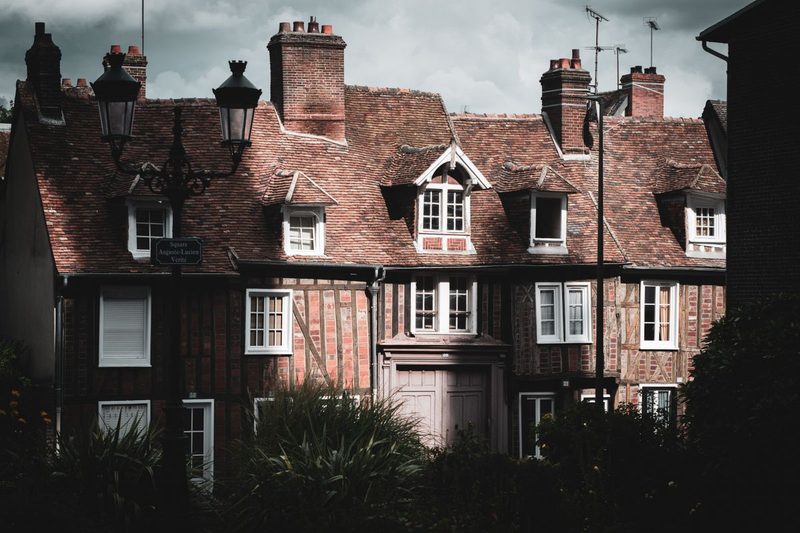
Rough re-roof costs in Winchester for 2026
- Concrete tile re-roof on a three-bed semi: £8,000 to £14,000
- Natural slate re-roof on a Victorian terrace: £12,000 to £22,000
- Clay plain tile or peg tile re-roof, reusing sound tiles: £14,000 to £28,000
- New EPDM or GRP flat roof on a single-storey extension: £1,500 to £4,500
- Re-thatch in water reed: £20,000 to £50,000+ depending on size
Planning and Building Regulations
Re-roofing more than 25% of a roof area is controlled work under Building Regulations, and Part L normally requires you to bring insulation up to current standards where it's practical. The Planning Portal's guide to Approved Document L sets out the details. Listed buildings and homes in Winchester's conservation areas need like-for-like materials, and sometimes listed building consent, so check with Winchester City Council early.
When to book
Re-roofing is best done between April and September, when longer days and drier weather keep the roof open for less time. Winchester roofers are at their busiest from October to March after the first autumn storms, with lead times of 4 to 8 weeks, and heritage specialists are often booked further ahead. If you think your roof has 2 to 3 years left, getting quotes in spring gives you the best choice of contractors. The National Federation of Roofing Contractors lists vetted members if you want an independent check on who you're hiring.
Common Questions About Roof Lifespan in Winchester
How long does a roof last in Winchester on average?
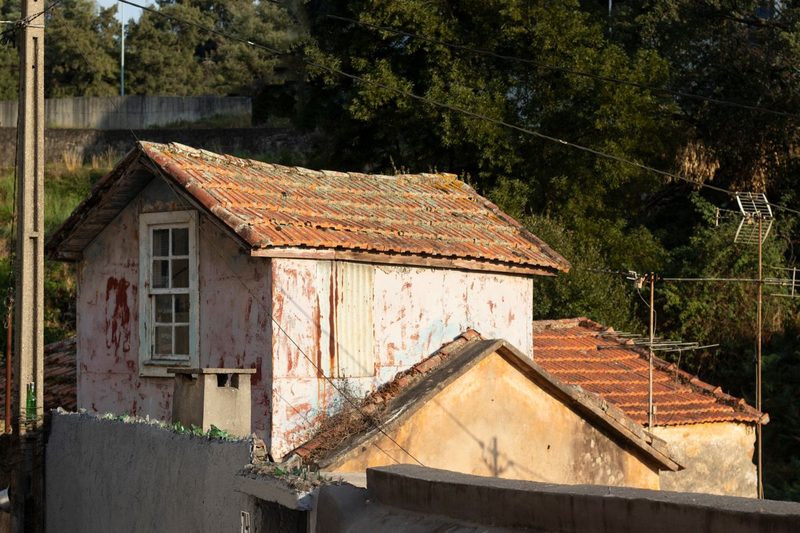
It depends on the material. Concrete tile roofs typically last 40 to 60 years, clay tile roofs 60 to 100 years and natural slate 80 to 150 years. Felt flat roofs last 10 to 25 years, while EPDM and GRP last 25 to 50.
Can old clay tiles or slates be reused when I re-roof?
Often, yes. On many Winchester period homes 60 to 80% of clay tiles or slates can be cleaned and re-laid on new battens and underlay, which keeps the roof's appearance and helps with conservation area or listed building requirements.
How do I know if my roof needs replacing rather than repairing?
If faults keep coming back across more than a quarter of the roof, the underlay has gone brittle, or you're spending more than 10 to 15% of the re-roof cost on repairs each year, replacement is usually better value.
Does Winchester's weather shorten roof life?
Winchester is drier than the UK average, but frost, damp valley air and shade from mature trees still wear roofs down. Moss and freeze-thaw damage tend to be bigger problems here than wind-driven rain.
Ready to work with Roof Repairs Winchester?
Let's connect! We’re here to help.
Send us a message and we’ll be in touch.
Or give us a call today at 01962 462074
Agency Contact Form
More Marketing Tips, Tricks & Tools