Roof Insurance Claims in Winchester: What's Covered on Period and Listed Homes, and How to Make a Claim Stick
Insurers pay out roughly £1.5 million a day on UK weather-related property damage, and storm claims are among the most frequently disputed categories in the whole market. A large proportion of refused roof claims come down to a single phrase in the policy: gradual deterioration, or wear and tear. Winchester compounds that. The city has well over a thousand listed buildings and extensive conservation area coverage, and the surrounding villages hold a high concentration of clay tile, natural slate, flint and thatch. The older and more particular the roof, the more likely the reinstatement cost exceeds what a standard policy assumes, and the more room there is to argue. If you've got damage and you're about to phone your insurer, read this first.
What Counts as Storm Damage
Policies almost never define "storm" in plain terms, but the industry working definition is fairly consistent: winds of around 47 to 55mph or above, or torrential rain, hail or heavy snow, occurring as a distinct event.
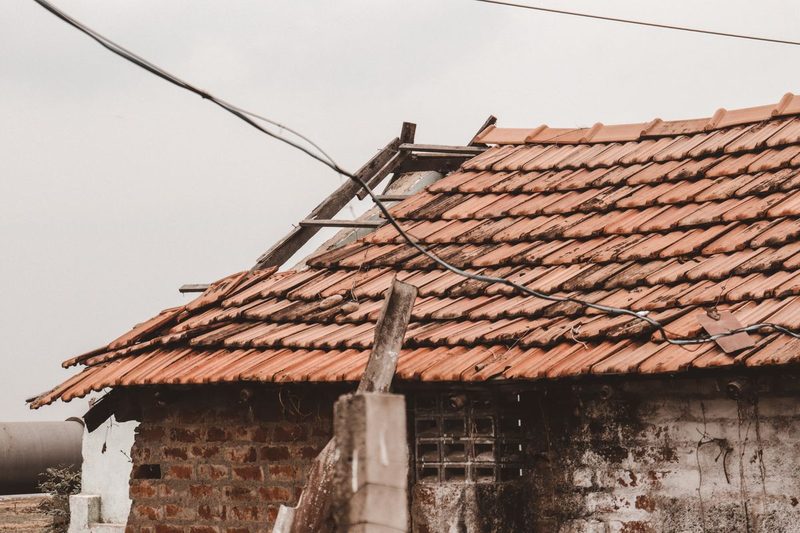
That matters because insurers check. When a claim comes in, the first thing an adjuster does is pull Met Office data for your postcode on the date you've given. If the recorded gusts in Winchester that day peaked at 38mph, the claim fails at step one regardless of what happened to your roof.
Three conditions generally have to be satisfied together. There was a storm, defined as above. The damage was caused by that storm. And the property was in reasonable repair beforehand. Claims collapse most often on the third, and sometimes on the second, because an insurer will argue that a tile which came off in a 50mph gust was already loose and would have come off in the next wind anyway.
Winchester's exposure is real but moderate. The city sits in a chalk river valley that gives it some shelter, with around 760mm of rain a year, and it doesn't see the sustained coastal gusting that Portsmouth or Southampton do. That cuts both ways: genuine storm events here are less frequent, so when you do claim, the burden of showing it was a storm rather than age is higher. If you're unsure which you've got, it's worth getting a proper assessment of the damage before you notify the insurer, because a claim withdrawn after inspection is cleaner than a claim refused.
Wear and Tear: The Exclusion That Refuses Most Claims
Every buildings policy excludes gradual deterioration, and on a period roof that exclusion has a lot of surface area to work with.
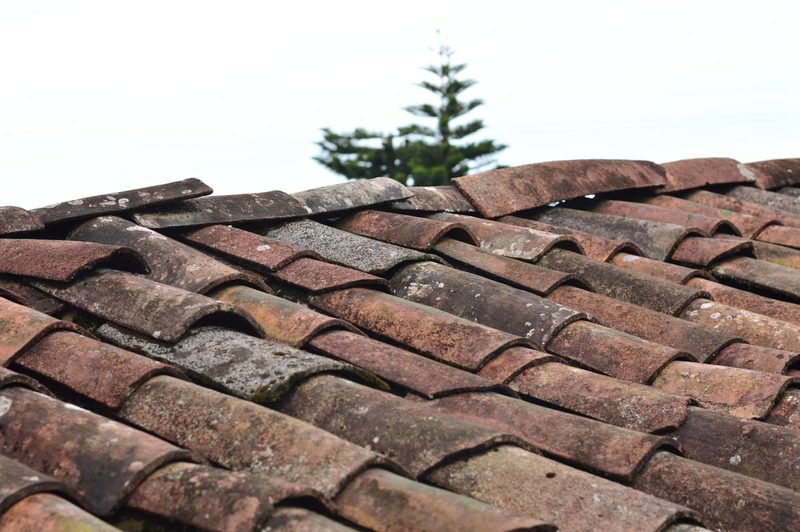
The practical distinction insurers draw is between damage and failure. A slate cracked by a falling branch is damage. A slate that has delaminated over 110 years and finally slipped is failure, and no storm made that happen. Nail sickness, where the ferrous fixings holding Victorian slates corrode away, is the classic Winchester example: the slates are fine, the nails have gone, and slates start sliding off in ordinary weather. That is a maintenance liability, not an insured event, and a £14,000 re-slate is not coming from a storm claim.
Some judgement is applied. Where a storm damaged a roof that was in reasonable but not perfect condition, insurers often settle on a proportionate basis, covering the acute damage but not the underlying renewal. Getting that split right is where most of the negotiation happens.
Two things strengthen your position enormously, and both are free. Keep a record of roof maintenance: gutter clearing, moss removal, repointing, any survey. And take photographs of your roof once a year from the garden. An insurer arguing the roof was in poor repair has to contend with your dated photo from eleven months earlier showing it intact.
Our guide to storm damage to Winchester roofs covers what to look for immediately after an event, which is the evidence-gathering that a later claim depends on.
The First 48 Hours
What you do immediately affects the claim more than anything you do later.
Make it safe and stop further damage, because every policy imposes a duty to mitigate. A tarpaulin over an open section is expected of you, and the reasonable cost of emergency work is usually recoverable. Keep the receipt.
Photograph everything before anything is touched: the roof from the ground with a zoom, the damage close up if it can be reached safely, the interior damage, any debris on the ground, and the fallen tiles themselves. Date-stamped, and more than you think you need.
Notify the insurer promptly. Most policies require notification within a reasonable time and some specify a number of days. A call the same week is fine; discovering damage in November and reporting it in February is not.
Do not authorise permanent repairs before the insurer has inspected or agreed. Emergency make-safe, yes. A full re-roof before anyone has looked, and you've destroyed the evidence and probably the claim.
And keep the damaged material. A roofer bagging up the broken tiles rather than skipping them gives an adjuster something physical to examine, and on a listed property those tiles may also be needed for matching.
Listed Buildings and Conservation Areas: Where It Gets Expensive
This is the Winchester-specific problem, and it catches people who assumed their standard policy covered the house they actually own.
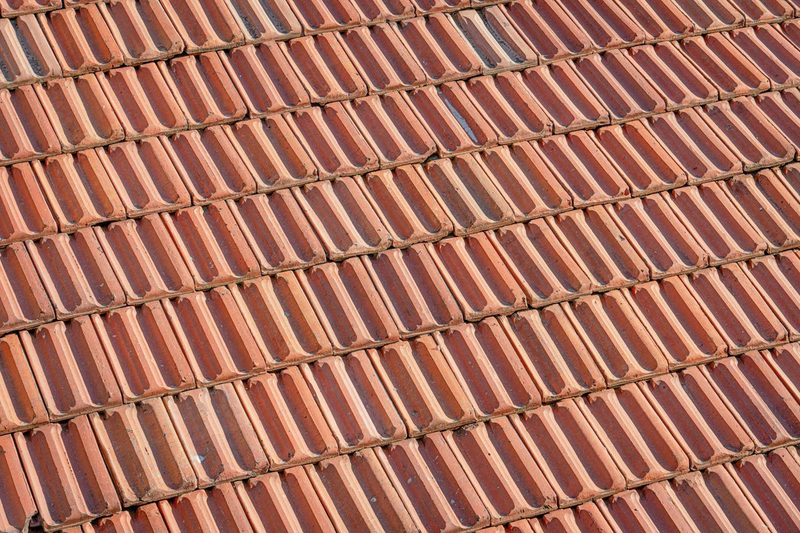
On a listed building, repairs must preserve the building's character, and listed building consent is required for work affecting it. That rules out the cheap substitution an ordinary claim would default to. You cannot replace hand-made clay peg tiles with machine-made concrete ones, or Welsh slate with a fibre-cement lookalike, and the conservation officer will not approve it.
The cost gap is substantial. Reclaimed hand-made clay peg tiles run £1.20 to £2.60 each against roughly £0.70 to £1.20 for a machine-made equivalent. Natural Welsh slate is £2.20 to £4.00 per slate against £1.10 to £1.80 for Spanish. Lime mortar bedding takes longer than cement and needs the right weather. Specialist labour on a listed roof commands a premium of 20 to 40% over standard rates. A thatch ridge renewal in one of the villages around Winchester is £3,500 to £7,000 on its own, and a full re-thatch £20,000 to £40,000.
Two consequences follow. First, check your policy actually covers listed reinstatement. A standard buildings policy rated on a bedroom count frequently doesn't, and you may need specialist listed or period property cover. Second, sum insured matters more here than almost anywhere: the rebuild cost of a listed Winchester property bears no relation to its market value, and underinsurance triggers proportionate settlement, where a policy covering 60% of the true rebuild cost pays 60% of your claim.
Matching Undamaged Areas
A recurring dispute on period roofs. Storm takes out twenty tiles on one slope, but the replacements available don't match the remaining hundred-year-old tiles, leaving a visible patch.
Whether the insurer pays to re-cover the whole slope for uniformity depends on the policy wording and, on a listed building, on what the conservation officer will accept. Many policies explicitly exclude the cost of matching undamaged parts. Where listed building consent requires a uniform appearance, you have a stronger argument, and this is worth raising early and in writing rather than discovering at settlement.
Loss Adjusters and Your Own Roofer
For anything beyond a few hundred pounds, the insurer will appoint a loss adjuster. Understand the role: the adjuster works for the insurer, not for you, and their job is to establish cause and quantify the loss.
That doesn't make them adversarial, and most are straightforward. But you're entitled to your own evidence. Getting an independent report from a roofer on the cause of damage, before or alongside the adjuster's visit, costs £150 to £400 and is the single most effective thing you can do on a contested claim. A written opinion that the damage is consistent with wind uplift rather than deterioration is exactly the material that changes an outcome.
You're also generally entitled to use your own contractor rather than the insurer's approved network, though the insurer may only pay up to what their contractor would charge. On a listed Winchester property that's often the right call, because approved networks are built for volume work and may not have anyone experienced in lime mortar or hand-made tile. Say so early, and put the reason in writing.
For very large or complex claims, a loss assessor acting for you is an option, typically charging 5 to 10% of the settlement. On a straightforward £3,000 claim that's poor value. On a disputed £40,000 listed reinstatement it can pay for itself several times over.
If the Claim Is Refused
A refusal is not the end, and the free escalation route is genuinely effective.
Ask for the decision in writing with the specific policy clause relied on. Vague refusals are harder to challenge and sometimes evaporate when you ask for the wording. Then put in a formal complaint to the insurer, which starts a regulated process: they have eight weeks to resolve it and must issue a final response.
If that fails, take it to the Financial Ombudsman Service, which is free, independent and binding on the insurer up to a substantial limit. Buildings insurance disputes are one of their larger categories, and a meaningful share are upheld in the consumer's favour. Submit your evidence properly: the dated photographs, the maintenance records, your roofer's independent report, and the Met Office data for the date if it helps you.
The Association of British Insurers publishes consumer guidance on how property claims are handled, which is useful for understanding what standard practice looks like when you're arguing that your claim departed from it.
Two practical points. Don't accept a first offer you think is low without asking how it was calculated, because interim offers are common and are not final. And be careful about withdrawing a claim to protect a no-claims position, since a withdrawn claim usually still has to be declared and the saving is often smaller than people assume.
Reducing the Chance of a Fight
Most refused claims were decided long before the storm, by the state of the roof and the state of the paperwork.
Have the roof inspected every three to five years, more often on a period property, and keep the reports. Clear gutters and valleys annually, because blocked valleys are behind a large share of water ingress claims that get refused as maintenance. Deal with slipped tiles and failed pointing when they're small, since an insurer who sees three years of visible neglect in a survey photo will use it. Photograph the roof each spring. And review your sum insured against a proper rebuild cost assessment every few years, particularly if the property is listed.
None of that guarantees a payout. It does mean that when a genuine event happens, the argument is about how much rather than about whether.
Frequently Asked Questions
Will my insurance pay for a new roof in Winchester?
Only where a specific insured event caused the damage. Insurers exclude gradual deterioration, so a roof failing from age, nail sickness or worn slates is a maintenance cost. Storm damage to an otherwise sound roof is claimable, often on a proportionate basis.
What wind speed counts as a storm for an insurance claim?
Most insurers work to roughly 47 to 55mph gusts or above, and will check Met Office records for your postcode on the date given. If recorded wind speeds were below that threshold, a storm damage claim will usually be refused at the first stage.
Does standard buildings insurance cover a listed roof in Winchester?
Often not adequately. Listed reinstatement must use appropriate materials and methods, which costs substantially more than standard repair, and many mainstream policies do not rate for it. Check whether you need specialist listed or period property cover, and review your sum insured.
What can I do if my roof claim is rejected?
Ask for the refusal in writing with the policy clause cited, then make a formal complaint, which the insurer must answer within eight weeks. If you are still unhappy, refer it free of charge to the Financial Ombudsman Service, supported by dated photographs, maintenance records and an independent roofer's report.
```json { "@context": "https://schema.org", "@type": "FAQPage", "mainEntity": [ { "@type": "Question", "name": "Will my insurance pay for a new roof in Winchester?", "acceptedAnswer": { "@type": "Answer", "text": "Only where a specific insured event caused the damage. Insurers exclude gradual deterioration, so a roof failing from age, nail sickness or worn slates is a maintenance cost. Storm damage to an otherwise sound roof is claimable, often on a proportionate basis." } }, { "@type": "Question", "name": "What wind speed counts as a storm for an insurance claim?", "acceptedAnswer": { "@type": "Answer", "text": "Most insurers work to roughly 47 to 55mph gusts or above, and will check Met Office records for your postcode on the date given. If recorded wind speeds were below that threshold, a storm damage claim will usually be refused at the first stage." } }, { "@type": "Question", "name": "Does standard buildings insurance cover a listed roof in Winchester?", "acceptedAnswer": { "@type": "Answer", "text": "Often not adequately. Listed reinstatement must use appropriate materials and methods, which costs substantially more than standard repair, and many mainstream policies do not rate for it. Check whether you need specialist listed or period property cover, and review your sum insured." } }, { "@type": "Question", "name": "What can I do if my roof insurance claim is rejected?", "acceptedAnswer": { "@type": "Answer", "text": "Ask for the refusal in writing with the policy clause cited, then make a formal complaint, which the insurer must answer within eight weeks. If you are still unhappy, refer it free of charge to the Financial Ombudsman Service, supported by dated photographs, maintenance records and an independent roofer's report." } } ] } ```
```json { "@context": "https://schema.org", "@type": "Article", "headline": "Roof Insurance Claims in Winchester: What's Covered on Period and Listed Homes, and How to Make a Claim Stick", "description": "Insurers reject a large share of storm damage roof claims on wear and tear grounds, and period Winchester homes hit extra problems over matching materials and listed reinstatement. Here's how the process works, what gets refused, and how to push back.", "author": { "@type": "Organization", "name": "The Team" }, "datePublished": "2026-09-18", "dateModified": "2026-09-18", "articleSection": "Roof Repairs" } ```
Ready to work with Roof Repairs Winchester?
Let's connect! We’re here to help.
Send us a message and we’ll be in touch.
Or give us a call today at 01962 462074
Agency Contact Form
More Marketing Tips, Tricks & Tools