Storm Damage to Winchester Roofs: What to Check and When to Act
Winchester sits in a part of Hampshire that isn't particularly exposed by UK standards - it's sheltered from the Atlantic by the Dorset and Devon coast, and the surrounding hills give some protection too. But the town still gets its share of high-wind events, particularly from the south-west in autumn and winter, and the combination of older housing stock (including a significant amount of Victorian and Edwardian property in areas like St Cross, Stanmore, and parts of the city centre) and unpredictable weather means storm damage to roofs is a regular issue.
What to Check After High Winds
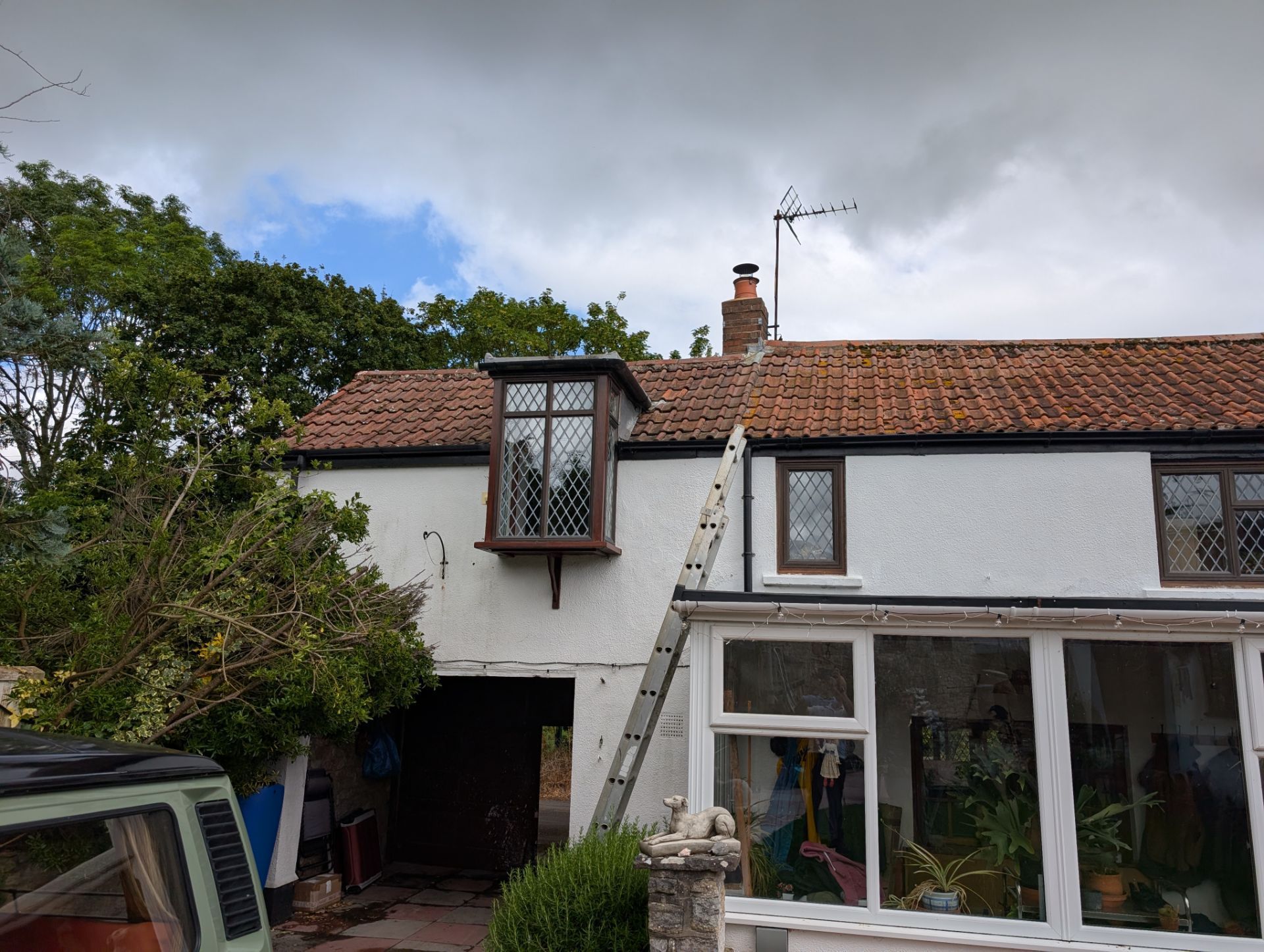
The first survey is always from the ground. You don't need to get on the roof to do a useful initial assessment - and unless you're experienced on roofs, you shouldn't be on one that may have been weakened.
Look at the ridge and hip tiles. These are the most vulnerable to wind because they're at the apex and catch the full force of gusts. Displaced, cracked, or missing ridge tiles are visible from below if you're looking from an angle across the roof. Binoculars are helpful here.
Check the slates and tiles. Missing tiles or slates - gaps in the regular pattern of the roof covering - are visible from the ground. Cracked tiles are harder to spot but large cracks are sometimes visible in bright light.
Look at the chimney stacks. Chimney pots can topple in high winds and come through the roof, or they can shift without falling and crack the flaunching. A pot that looks different from before is worth getting checked.
Check inside the loft. After a significant storm, checking the loft space for daylight, water, or debris is a useful early indicator of damage. Daylight visible from inside the loft means the covering is breached.
Look at the gutters and ground around the property. Pieces of tile or ridge mortar on the ground, or gutters full of displaced material, indicate damage to the roof surface above.
What's Urgent and What Can Wait
Not all storm damage is equally urgent. The priority is preventing water ingress - a displaced ridge tile that's created an opening or a missing slate over the main roof area both need attention before the next rain.
Needs prompt attention:
- Missing tiles or slates over any part of the main roof area
- Visible gaps or holes in the covering
- Chimney pot that has moved or fallen
- Flashing that's lifted away from the wall
Can usually wait for a proper inspection:
- Displaced ridge tiles that haven't created a gap
- Minor cracking visible from ground level
- Mortar loss from repointing (not an immediate leak risk)
Before You Call a Roofer
It's worth doing a written or photographed record of what you can see before a roofer visits - particularly after storms when there's likely to be demand for inspections. Note what you found and when. If you have home insurance that covers storm damage, contact your insurer before authorising repair work, as they may have their own assessment process.
Roof Repairs Winchester responds to storm damage calls across Winchester and the surrounding area, and the inspection will cover both the obvious damage and any related issues that might not be immediately visible from the ground.
We've also covered the cost of a new roof in Winchester if a storm inspection reveals the roof is more generally towards the end of its life - it's not uncommon for storm damage to be the event that prompts a fuller assessment.
FAQ
Q: How do I check my roof for storm damage in Winchester without getting on it?
From the ground, check for missing or displaced tiles, visible gaps in the ridge, chimney pots that look different, and material on the ground below the roof. From inside, check the loft for daylight, water, or debris. Binoculars help with the ground inspection.
Q: Is storm damage to a roof covered by home insurance in Winchester?
Storm damage is generally covered under standard home insurance policies. Contact your insurer before authorising repairs to understand their assessment process - they may require their own inspection before approving claims.
Q: How quickly should I get a roofer to look at potential storm damage?
If there are visible gaps, missing tiles, or any opening in the roof surface, prompt action is important to prevent water ingress. Damage that appears intact from the ground can usually wait a few days for a proper inspection.
Q: What's the most common storm damage to roofs in Winchester?
Displaced or missing ridge tiles are the most common issue in high winds. Loose slates on older Winchester properties, and chimney pots that shift or topple, are also regular storm-related problems.
Ready to work with Roof Repairs Winchester?
Let's connect! We’re here to help.
Send us a message and we’ll be in touch.
Or give us a call today at 01962 462074
Agency Contact Form
More Marketing Tips, Tricks & Tools