Doorstep Roofing Scams in Winchester: Cold Callers, Your 14-Day Rights and How to Vet a Roofer
Doorstep roofing scams in Winchester follow the weather. After a windy spell, cold callers work their way along streets of period terraces and post-war semis, pointing up at a ridge tile and telling the owner it's about to come through the ceiling. Some of them are just pushy. Others are rogue traders who charge £3,000 for £300 of work, or take a deposit and never come back. Doorstep crime is badly under-reported - only around 1 in 10 cases is thought to reach the authorities, and roofing and driveway work are among the most common complaints in the ones that do. Winchester is an obvious target. Around 21% of residents in the district are over 65, against roughly 19% across England, and a lot of the housing is old enough to have something on the roof a stranger can point at. This guide covers the common scripts, your legal rights, and how to tell a proper roofer from a doorstep chancer.
How Doorstep Roofing Scams Start on Winchester Streets
Most cold-call roofing jobs start in the same way: a van parks up, someone knocks, and they say they were "working down the road" and noticed a problem on your roof. Most of the ones we hear about come in the 2 to 3 weeks after a named storm, when homeowners are already worried and genuine local roofers are booked solid.
They pick that moment on purpose. Winchester averages around 800mm of rain a year, less than the UK average of about 1,160mm, but the city's exposed edges - Harestock, Badger Farm, the chalk ridges towards Kings Worthy - catch strong south-westerly gusts every winter. A lifted tile or a slipped ridge after a storm is real, and that's what makes the pitch believable. If you're worried about something you've been shown, Roof Repairs Winchester can take a look and tell you honestly whether it needs doing now, later, or at all.
Good roofers rarely knock on doors. In Winchester they're typically booked 3 to 6 weeks ahead outside storm periods. They don't need to tour the streets for work.
The Scripts Cold-Calling Roofers Use
Rogue traders don't improvise much. Homeowners describe the same handful of lines again and again, and once you know them they're easy to spot.
"We've Got Materials Left Over From a Job Nearby"
This one plays on wanting a bargain. The caller offers to use leftover tiles, felt or lead "at cost" because it saves them taking it back. In practice the materials are often unsuitable for your roof, and the price climbs once they're up the ladder. A Winchester roof with handmade clay tiles can't be patched with a random batch of concrete tiles anyway.
"Your Ridge Tiles Are Loose - It's Dangerous"
Often the caller climbs up to "have a look" and comes down with a photo of damage. Sometimes it's a photo from another roof. Sometimes they've broken a tile or knocked mortar out themselves. Ridge mortar on older Winchester roofs does crack after 20 to 30 years, but a cracked bedding joint is rarely an emergency.
"We Can Start Today, But Only if You Decide Now"
Pressure gives it away. Lines like "the price is only good today" or "if you leave it, it'll be £5,000 by Christmas" are designed to stop you getting a second opinion. A genuine roofer will leave a written quote and give you time to think.
Why Older Homeowners in Winchester's Period Houses Are Targeted
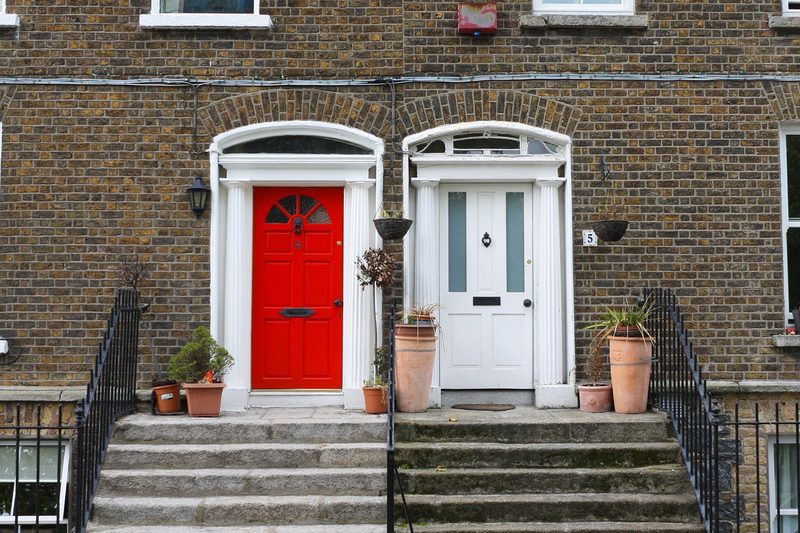
Rogue traders pick their targets. People over 65, and especially those living alone, are hit hardest by doorstep crime, and a single visit can cost them thousands rather than hundreds. Winchester has a higher share of older residents than most of Hampshire, and many of them live in houses built before 1919.
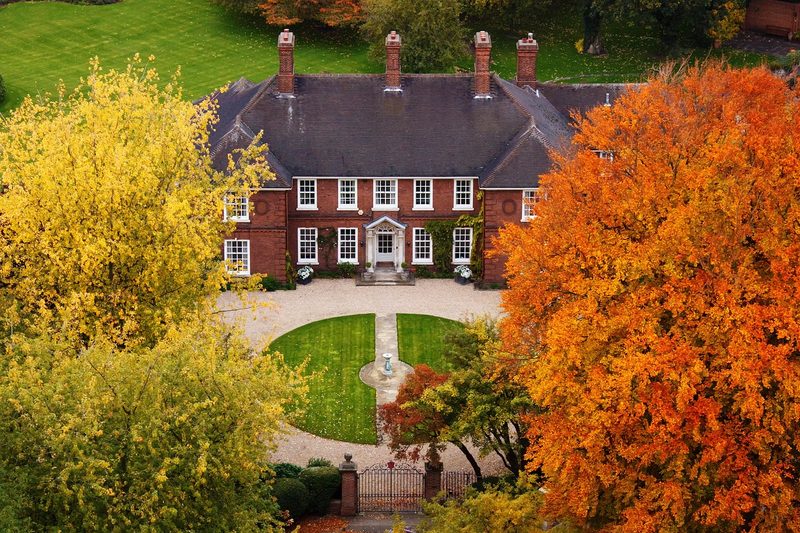
Those older houses give a scammer plenty to work with. Lime mortar weathers, chimney flaunching cracks, and clay tiles slip as their nibs or oak pegs fail. You can see most of it from the pavement. A scammer can talk any of it up into a crisis. Age UK's advice on doorstep scams is worth passing on to older relatives - it covers simple steps like using a door chain and never letting a stranger in to "check the loft".
Conservation Areas Add Another Risk
Much of central Winchester sits in a conservation area, and the district has more than 2,000 listed buildings. A cold caller who strips handmade clay tiles and replaces them with cheap concrete could leave you on the wrong side of listed building rules. You, as the owner, are responsible for unauthorised work on a listed building, not the trader who vanished with your money.
Your 14-Day Cancellation Rights on Doorstep Roofing Contracts
If you agree to roof work with someone at your door or in your home, that's an "off-premises contract" under the Consumer Contracts (Information, Cancellation and Additional Charges) Regulations 2013. The law gives you three important protections:

- A 14-day cooling-off period, starting from the day you agree the contract, during which you can cancel for any reason
- The trader must give you written cancellation information and a cancellation form - if they don't, your cancellation period stretches to up to 12 months
- Failing to give that written notice on a doorstep contract is a criminal offence under the regulations
What if Work Has Already Started?
A trader can only start inside the 14 days if you expressly ask them to, ideally in writing. If you then cancel, you may have to pay a fair amount for the work already done. Rogue traders often skip the paperwork and are on the roof within the hour. Oddly, that can help you later: no valid cancellation notice usually means a much longer window to cancel.
Never pay cash up front and never agree to be driven to the bank. Those two requests turn up in a large share of the worst doorstep cases.
Checking a Roofer at the Door: Vans, Ladders and Paperwork
You don't need to be rude to protect yourself. Take a name, a phone number and a business address, and say you'll call them back. A genuine trader won't mind. A rogue one will often push harder or simply leave.
Before any roofer starts work, check:
- A full name and a landline or business address, not just a mobile number
- A Companies House listing, if they say they're a limited company
- Public liability insurance of at least £2 million, with a certificate you can read
- Membership of a scheme you can verify yourself, such as TrustMark, Hampshire's Buy With Confidence scheme or a roofing trade body
- A written quote listing the work, the materials, VAT, and the payment terms
Get Two or Three Written Quotes
If someone has told you the roof needs urgent work, the best defence is a couple of independent quotes. Rogue traders often charge 3 to 10 times the going rate, so a second quote exposes the gap quickly. We've covered what should be on a proper quote in our guide to comparing roofing quotes in Winchester, including how scaffold, VAT and provisional sums should be itemised.
Reporting a Rogue Roofer to Trading Standards in Hampshire
If a cold caller has pressured you, overcharged you or done shoddy work, report it. Hampshire Trading Standards runs the county's doorstep crime work, but reports go in first through the Citizens Advice consumer helpline on 0808 223 1133. Citizens Advice explains how to report a trader to Trading Standards and what details to have ready.
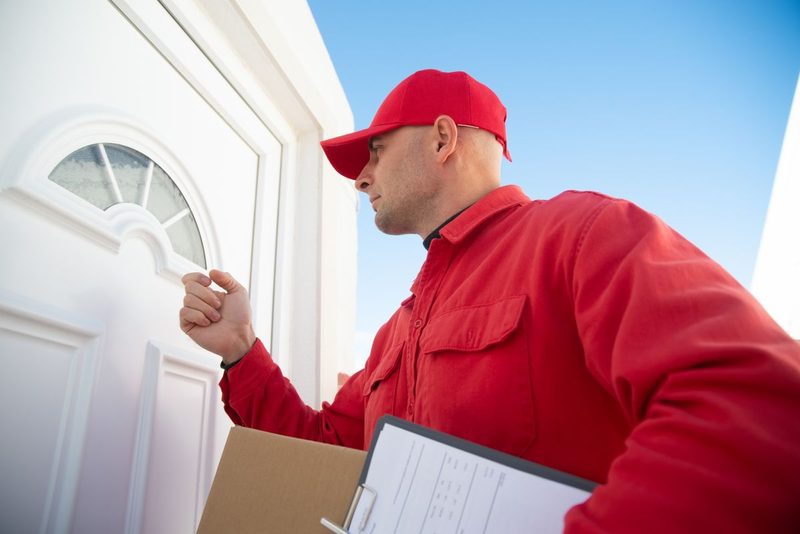
Useful things to note down, ideally within 24 hours while it's fresh:
- The van's registration, colour and any name on the side
- A description of each person and the names they gave
- Any paperwork, receipts or text messages
- Photos of the work done, or of the roof before they touched it
If you feel threatened, or someone is refusing to leave, call 999. If a rogue trader is still at the house or you've just handed over money, call the police on 101 or 999 rather than waiting. Some streets in Hampshire are designated No Cold Calling Zones, and a sticker on the door telling traders you don't buy at the doorstep does put many of them off.
What Genuine Roof Repairs Cost in Winchester in 2026
Knowing the normal price is one of the best ways to spot a scam. Local rates sit 5 to 10% above the national average, partly because roofers who can work on period clay and slate roofs are in short supply around Winchester. Typical 2026 figures:
- Replacing a few slipped or broken tiles: £150 to £350
- Rebedding a ridge on a typical semi: £400 to £900, more for a long terrace run
- Chimney flaunching and repointing: £350 to £900, plus access
- Gutter cleaning on a two-storey house: £80 to £160
- Small flat roof repair: £250 to £600
If a doorstep quote is several times these numbers, or the caller won't put it in writing, you have your answer. Ask for the price on paper and close the door.
Frequently Asked Questions About Doorstep Roofing Scams in Winchester
Can I cancel a roofing job I agreed on my doorstep?
Yes. Under the Consumer Contracts Regulations 2013, you have 14 days to cancel a contract agreed at your home. If the trader didn't give you written cancellation information, that period can extend to 12 months.
Is it normal for a roofer to knock on my door in Winchester?
No. Good local roofers are usually booked weeks ahead and rarely cold call. Treat any unsolicited offer of roof work with caution, especially just after a storm.
Who do I report a rogue roofer to in Hampshire?
Contact the Citizens Advice consumer helpline on 0808 223 1133, which passes reports to Hampshire Trading Standards. If you feel threatened or someone won't leave, call 999.
Should I pay a roofer a deposit up front?
A small, reasonable deposit for materials on a large job can be normal, but never pay cash on the doorstep, never pay in full before work starts, and never agree to be taken to the bank.
Ready to work with Roof Repairs Winchester?
Let's connect! We’re here to help.
Send us a message and we’ll be in touch.
Or give us a call today at 01962 462074
Agency Contact Form
More Marketing Tips, Tricks & Tools