Matching Roof Tiles in Winchester: Clay Peg Tiles, Reclaimed Stock and Discontinued Concrete Profiles
Matching roof tiles in Winchester is harder than in most English towns, mainly because so many of the roofs here are old. A big share of homes in and around the city centre were built before 1919, and many of them carry clay plain tiles that have been weathering for 80 to 200 years. A brand new tile next to one of those looks like a sticking plaster. Winchester gets roughly 800mm of rain a year, below the UK average of about 1,160mm, plus 40 to 50 air frosts a winter, and that damp-and-frost mix is what gives an old roof its colour. Below we go through the main roof types around Winchester, what each takes to match, and the 2026 prices.
Start Here: Working Out What's on Your Roof
Before anyone can match a tile, they need to know exactly what's up there. Around 1 in 5 small tile repairs we see have been done with the wrong tile at some point, usually a machine-made tile pushed into a handmade roof, or a near-enough concrete profile. If you're not sure what you've got, Roof Repairs Winchester can identify it from a ladder inspection or a few photos, including checking the back of a loose tile for a maker's mark.
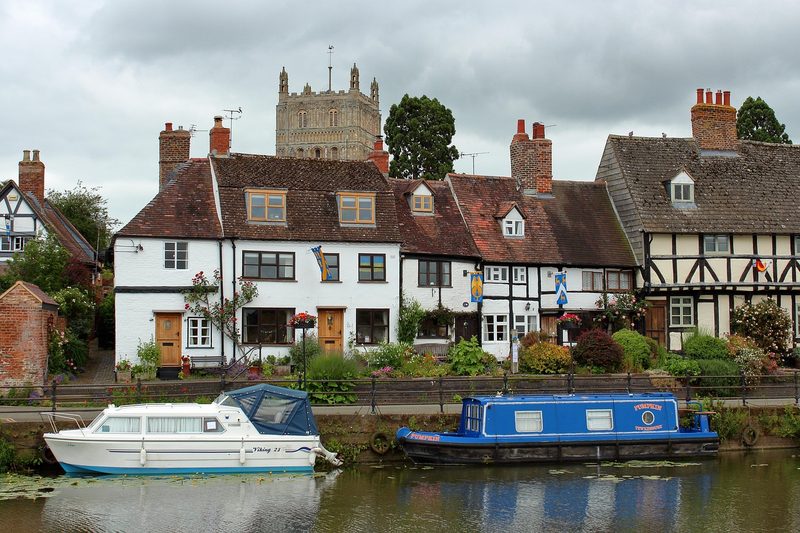
The quickest way to sort Winchester roofs is by age of the house:
- Pre-1840 - handmade clay peg tiles
- Victorian and Edwardian (1840-1914) - Welsh slate on many terraces, machine-made clay plain tiles on villas and semis
- Interwar (1919-1939) - machine-made clay plain tiles, often with a noticeable camber
- Post-war estates (1950s-1980s) - concrete interlocking tiles, and plenty of those profiles are no longer made
Each one goes wrong in its own way.
Handmade Clay Peg Tiles on Period Homes
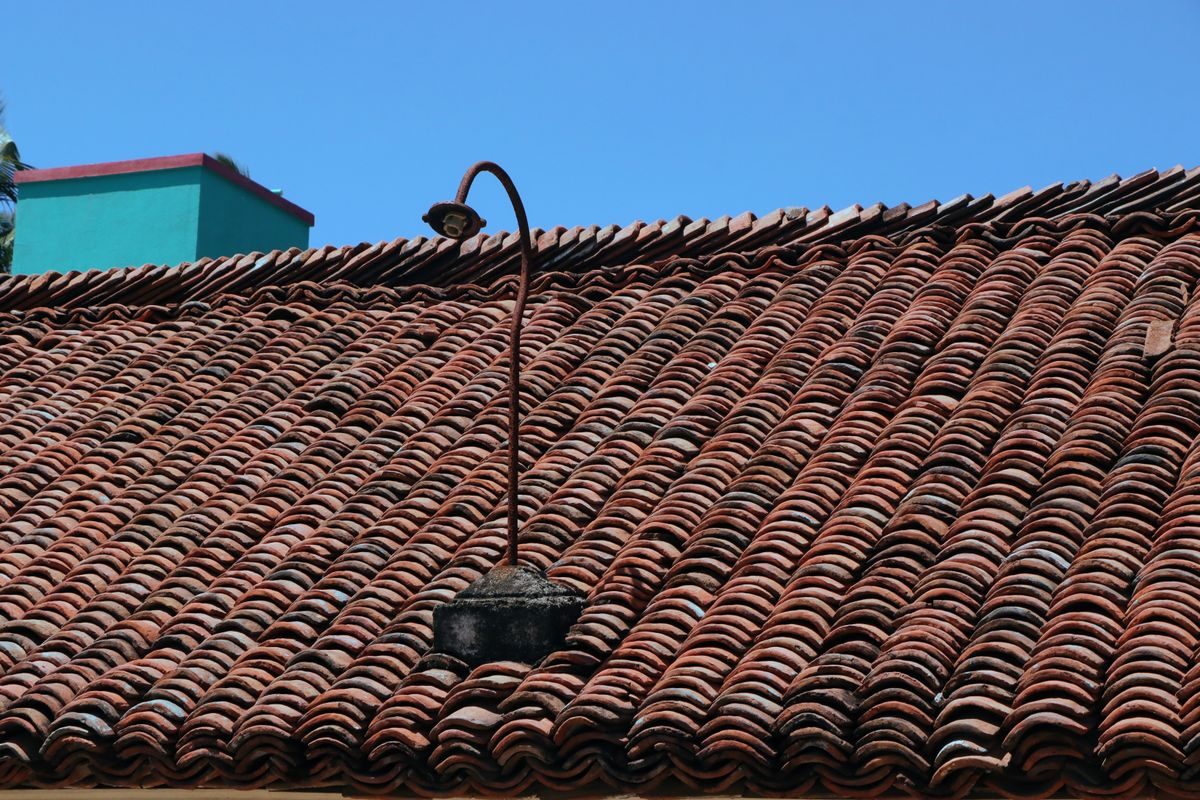
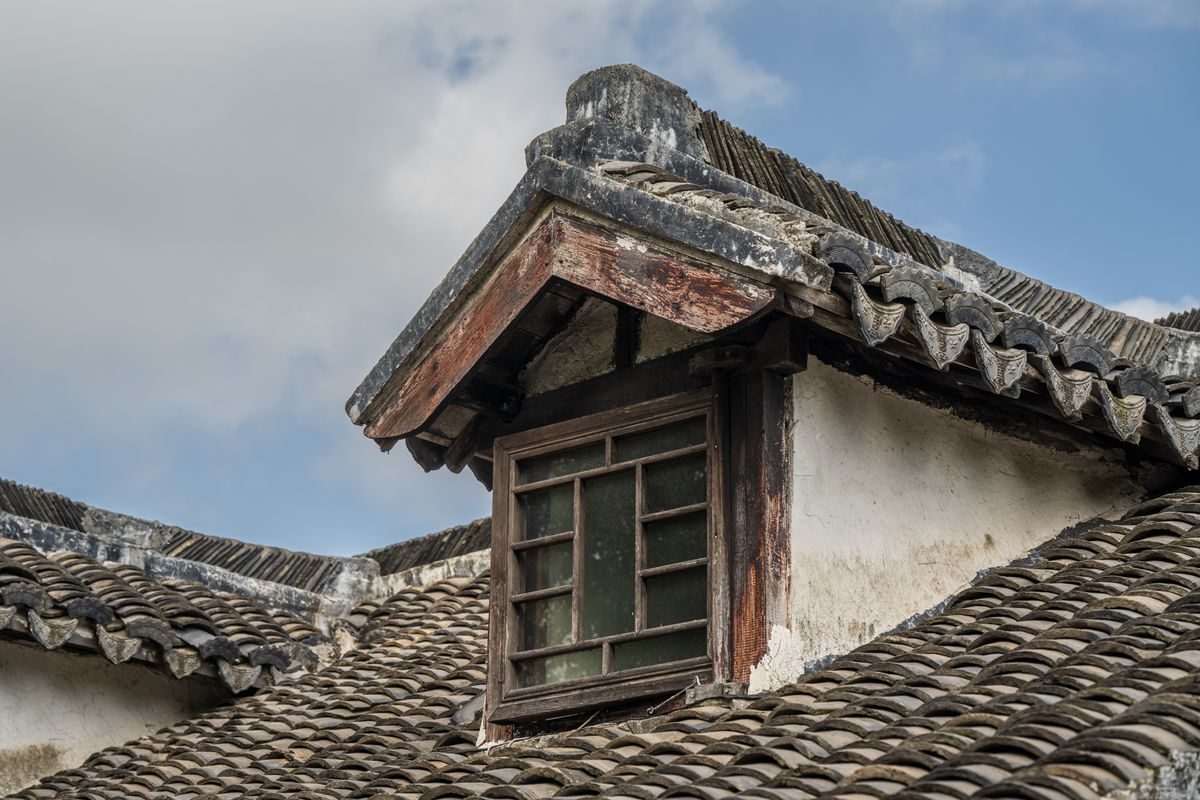
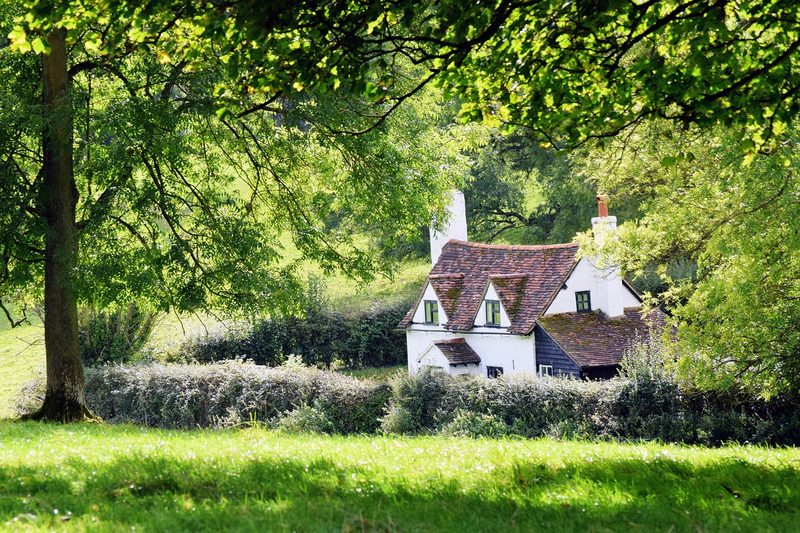
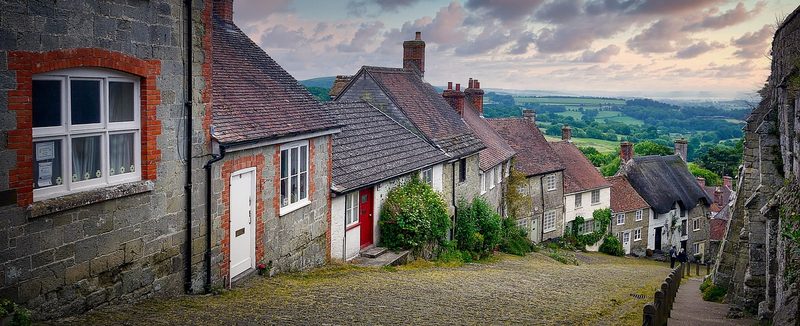
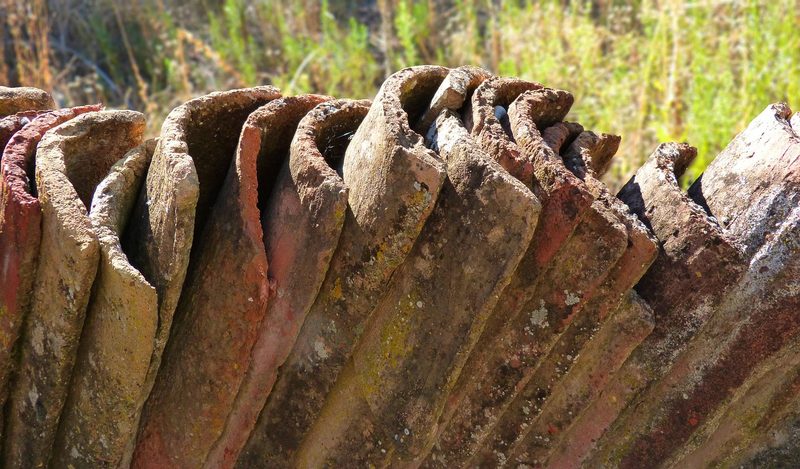
This is the classic Hampshire roof, and it's the hardest to match. A handmade clay plain tile is roughly 265mm by 165mm, but "roughly" is the point - old handmade tiles vary by 5 to 10mm from one to the next, and they twist and curl as they fire. That irregularity gives old Winchester roofs their rippled look, and a perfectly flat replacement stands out from 30 metres away.
Oak Pegs or Nibs?
The oldest tiles have no nibs at all. They hang on the battens by a pair of holes, with an oak peg (or in later repairs, a galvanised nail bent over) pushed through. From around the 19th century, tiles with moulded nibs on the back took over, and they hook straight onto the batten. A roofer needs to know which they're dealing with before quoting. On a peg-tiled roof, expect a repair to take 20-30% longer than the same area of nibbed tiles.
Colour and Sandfaced Texture
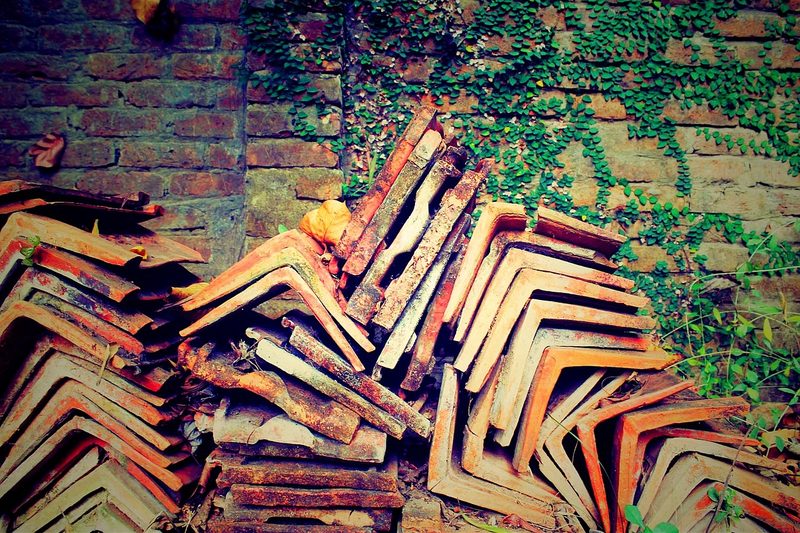
Hampshire clays fire to a range of oranges, reds and browns, and most local tiles were sandfaced - dusted with sand before firing, which gives that grainy, slightly speckled surface. Add a century of lichen and soot. New handmade tiles come in blended colours that get close, but still take 10 to 15 years to tone down. Reclaimed tiles are nearly always the better match on a roof this old.
Machine-Made Clay Tiles on Victorian and Interwar Houses
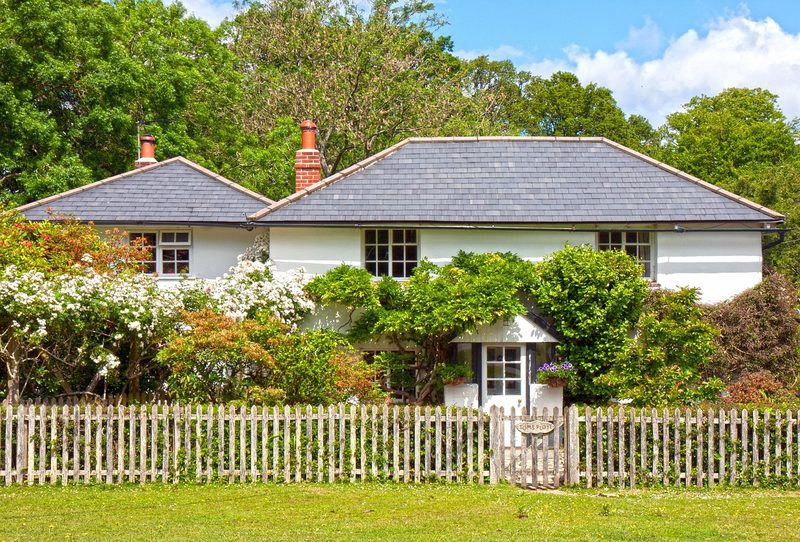
Machine-made clay plain tiles arrived in the late 1800s and covered most of Winchester's interwar housing. They're more regular than handmade tiles, but not identical. Thickness varies between 10mm and 15mm, nib position varies, and the camber (the gentle curve along the tile) changes from maker to maker. If the stamp on the back names a maker still in production, a new match costs around £1 to £1.80 a tile, against £1.50 to £3 for good reclaimed.
Cambered vs Flat Tiles
A flat tile pushed into a run of cambered ones leaves small gaps at the edges and catches the light differently. Over a 2 square metre patch, a buyer's surveyor will notice. We take a sample tile to the supplier or yard rather than going on dimensions - camber is easier to judge by holding two tiles together than by reading a spec sheet.
Reclaimed Tiles: How They're Sourced and Graded
Reclaimed clay tiles come off roofs stripped across southern England. Hampshire supply is decent, but local conservation-area demand is high, so a batch of 500 or more matching tiles can take a few weeks to find.
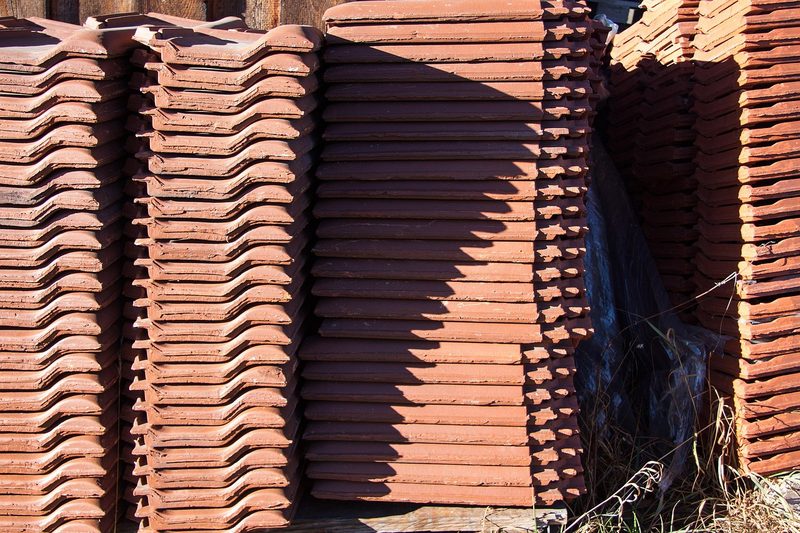
Better yards grade stock before sale by:
- Size and thickness, so a batch lays in consistent courses
- Colour and weathering, so you aren't mixing bright and lichen-covered tiles
- Condition - checking for cracks, delamination (the face peeling off in layers) and broken nibs or peg holes
Expect to lose 10 to 15% of a reclaimed batch to breakage and rejects on the roof. Order extra. Always. A tile that rings when tapped is generally sound. A dull thud often means hidden frost damage. We've covered why that happens in our guide to frost and freeze-thaw damage on Winchester roofs. A reclaimed tile that has started to delaminate will fail again within a few winters.
Concrete Tiles on 1960s to 1980s Estates
A lot of Winchester's post-war housing, including the estates on the south-western and northern edges of the city such as Badger Farm, Harestock and Stanmore, was roofed in concrete interlocking tiles. They're a surprisingly awkward match. Manufacturers have retired dozens of profiles over the last 40 years, and an interlocking tile has to match exactly to lock with its neighbours - a profile that's 3mm out won't sit properly and can let in wind-driven rain.
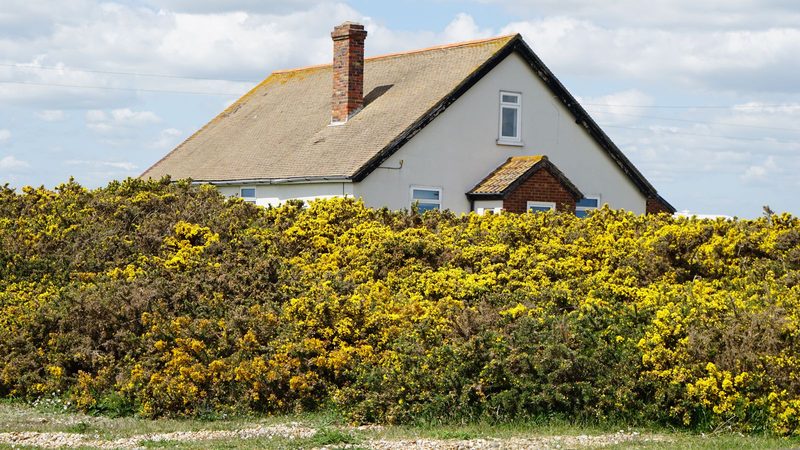
Concrete tiles also fade unevenly - a roof that was brown in 1975 is often patchy grey now. If your profile is still made, a new tile costs around £1.20 to £2.50, but it'll be noticeably darker for 5 to 10 years.
When the profile is discontinued, there are three realistic options:
- Reclaimed tiles of the same profile, often under £1 each but scarce for rarer designs
- Robbing tiles from a hidden slope or garage and refilling that gap with a close modern profile
- Re-roofing the whole slope, which makes sense once more than about 20 to 25% of tiles are cracked or the battens are rotten
Slate on Victorian Terraces
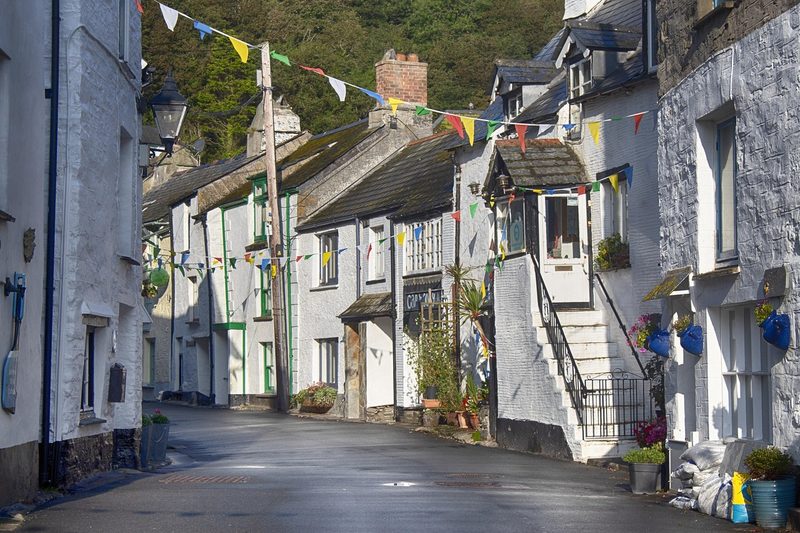
Many of Winchester's Victorian terraces were roofed in Welsh slate, brought in by rail from the 1840s onwards. It lasts 100 years or more, so plenty of these roofs are original, blue-grey to purple with a slight sheen.
The cheap fix is a Spanish or Chinese slate, but they're often a different colour, thinner, and can rust or fade. Matching means getting the size right first (Victorian slates came in named sizes, with 20 by 10 inches and 16 by 8 inches common on terraces) and then the colour. Reclaimed Welsh slate costs around £2 to £5 a slate in 2026, and new Welsh slate costs more still.
Conservation Areas and Listed Buildings in Winchester
Winchester has a large number of conservation areas, and much of the historic city falls inside one. Like-for-like repairs, using matching materials, generally don't need planning permission, but changing the roof covering to something different might. The council publishes details of Winchester's conservation areas, including appraisals that often mention roof materials.
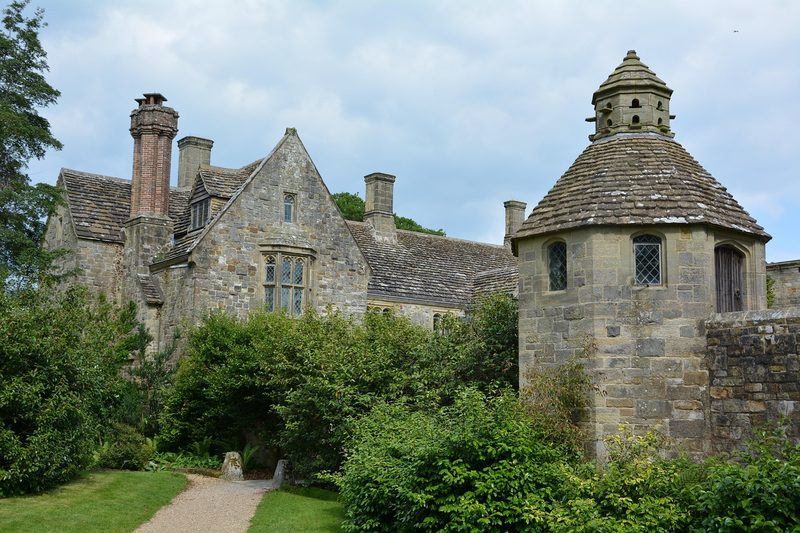
If your home is listed, the rules are tighter. Any change that affects the building's character needs listed building consent, and swapping handmade clay for machine-made, or Welsh slate for imported, can count as a change. Unauthorised work on a listed building is a criminal offence. The council's listed buildings advice explains when consent applies, and it's worth a pre-application chat before any repair bigger than a handful of tiles. The Society for the Protection of Ancient Buildings' advice pages cover the general principle most conservation officers follow: repair rather than replace, and match what's there.
Blending New With Old: Scatter or Back-Slope
Even with a good match, a patch of 50 or 100 new tiles can look slightly off. There are two fixes.
Scattering
Instead of laying the new tiles in one block, the roofer strips a wider area and mixes old and new tiles together at random. A 10 to 20% share of new tiles spread over a slope is hard to spot within a year or two. It adds roughly half a day of labour.
Using the Back Slope
The other trick is to take good original tiles from the back of the house, where nobody sees them, and use them on the front. New or close-match tiles then go on the rear slope. On terraces and semis where only the front pitch faces the street, this gives a near-perfect front for little extra cost, and the visible slope keeps its original material.
What Matching Roof Tiles Costs in Winchester in 2026
Local prices sit a little above the national average. Roofers confident with peg tiles and slate are in short supply here, so the experienced ones are booked 3 to 6 weeks out outside storm periods. Typical 2026 figures:
- Replacing 5 to 10 matched tiles on a two-storey house: £250 to £450, plus access if a tower or scaffold is needed
- Sourcing reclaimed handmade clay tiles: £1.50 to £3 per tile, plus 10 to 15% extra for breakage
- Scattering a repair across a slope: add £200 to £400 in labour
- Back-slope swap on a terraced house: £600 to £1,500 depending on area
- Reclaimed Welsh slate repairs: £300 to £700 for a small area
- Re-roofing a slope in matching reclaimed clay: £8,000 to £15,000 for a typical semi
Saving £150 on a quick patch rarely pays. A mismatched front slope is the first thing a buyer's surveyor photographs, and a badly fixed peg-tile repair often needs redoing within 5 years.
Frequently Asked Questions About Matching Roof Tiles in Winchester
Can I get new tiles that match my old clay roof?
Sometimes, if your tiles are machine-made and the maker is still in production. For handmade or heavily weathered tiles, reclaimed is usually closer, as new tiles take 10 to 15 years to weather down.
Do I need permission to replace roof tiles in a Winchester conservation area?
Like-for-like repairs using matching materials usually don't need planning permission. If you want to change the material, or if the building is listed, check with Winchester City Council first, as listed building consent may be needed.
What if my concrete roof tile has been discontinued?
Use reclaimed tiles of the same profile, move originals from a hidden slope to the visible one, or re-roof the slope if many tiles are failing. A slightly different interlocking profile won't seal properly.
How much do reclaimed roof tiles cost in Winchester?
In 2026, reclaimed handmade clay plain tiles typically cost £1.50 to £3 each and reclaimed Welsh slate £2 to £5 a slate. Allow 10 to 15% extra for breakage.
Ready to work with Roof Repairs Winchester?
Let's connect! We’re here to help.
Send us a message and we’ll be in touch.
Or give us a call today at 01962 462074
Agency Contact Form
More Marketing Tips, Tricks & Tools