Chimney Cowls in Winchester: Caps, Birdguards and Stopping Downdraught
A chimney cowl in Winchester is one of the cheapest bits of roof work you can buy, and one of the most useful. A single pot open to the sky lets in more water than you'd think. Winchester gets around 800mm of rain a year, below the UK average of roughly 1,160mm, but a 200mm pot still collects about 25 litres a year straight down the flue. Then there are the jackdaws. Hampshire has a healthy population, and a pair can drop enough sticks into an open pot in a fortnight to block it completely. A blocked flue is a fire and carbon monoxide risk, and in spring a big share of local sweeping jobs turn out to be nests rather than soot. Here's what to fit, when you're allowed to fit it, and what it costs in 2026.
Why Winchester Chimneys Need a Cowl or Cap
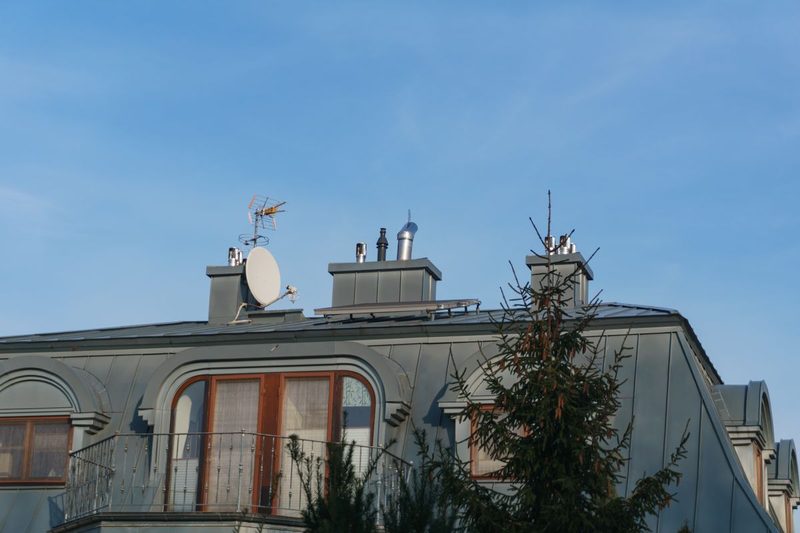
Most Winchester homes built before 1930 have a chimney stack, often with two or three pots, and across the city's Victorian terraces and Edwardian semis a lot of those pots now serve nothing at all. That open pot is a rain gauge, a bird box and a draught all at once.
The wet season here runs roughly from October to March, about six months, with most rain arriving on south-westerly winds. Wind-driven rain soaks the inside of an open flue and shows up as brown staining on the chimney breast. If you're seeing that and want someone to look at the stack properly, Roof Repairs Winchester can check the pots, flaunching and flashing at the same visit.
Supply of local roofers is reasonable, but Winchester's high share of period housing means people who know how to work on old stacks are busy. Expect lead times of 2-4 weeks for small jobs like cowl fitting outside of storm periods, and longer straight after a big blow.
Types of Chimney Cowl, Cap and Birdguard
There are dozens of products, but they fall into four groups. Picking the wrong one is the most common mistake we see, usually a solid cap on a flue that's still in use, or a cowl that isn't rated for the fuel being burned.
Rain caps
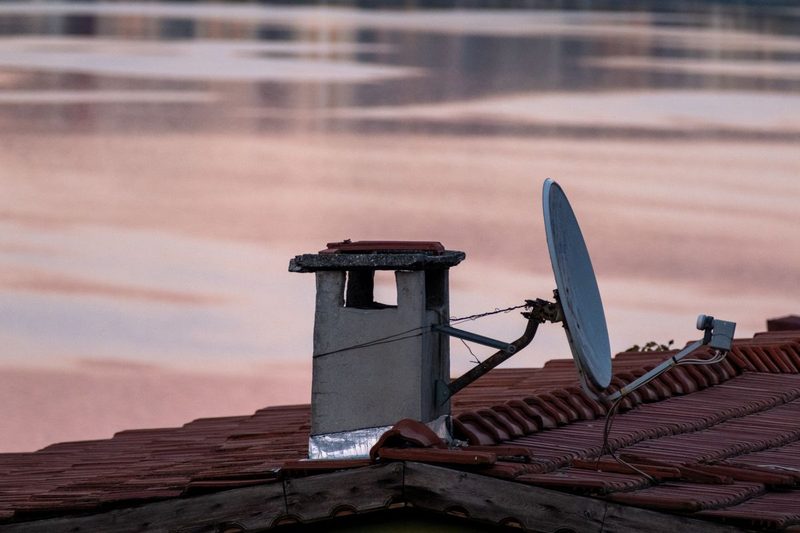
A rain cap is a simple hood that sits over the pot and stops rain falling straight in while leaving gaps at the sides for the flue to breathe. They cost £40-£90 for the part and suit flues that are disused or used occasionally.
Birdguard cowls
These have a mesh cage, normally stainless steel, around the outlet, with a hood on top. For an open fire or wood burner, the mesh should be no finer than about 25mm, because finer mesh clogs with soot and creosote within a season. Expect £60-£150 for a good stainless model.
Anti-downdraught cowls
If smoke puffs back into the room on windy days, an anti-downdraught cowl can help. Spinning cowls cost £120-£250 and work well where a stack sits lower than a nearby roof or tree. But roughly half of downdraught problems turn out to be a flue that's too short, too wide or partly blocked, so a sweep and a smoke test should come first.
Ventilated caps for redundant pots
For a flue that's finished with, a ventilated cap or "capping cowl" closes the top to rain and birds but keeps a small airflow. These run £30-£80 per pot.
Gas Appliances and Wood Burners: Getting the Right Cowl
Fuel type decides which cowl is legal and safe.
Gas fires and boilers
A gas appliance flue must finish in a terminal that is approved for that appliance, and the work should be signed off by a Gas Safe registered engineer. A generic birdguard or rain cap fitted over a gas flue can upset how the gases clear, and the risk there is carbon monoxide, not just a smoky room. If your pot serves a gas fire, the roofer fits only the terminal your gas engineer specifies, or leaves that pot alone.
Wood burners and multi-fuel stoves
Most modern stoves run through a flexible stainless liner with its own terminal at the top. That terminal is part of the installation, and swapping it should keep to the stove maker's instructions and Building Regulations Part J. If your original fitter is no longer around, you can find a HETAS registered installer or sweep. A birdguard on a stove needs checking at every sweep, and twice-yearly sweeping makes sense if you burn more than 3-4 nights a week.
Jackdaws, Nesting Season and the Law
Jackdaws love chimneys and return to the same pot year after year. The RSPB's guide to jackdaws notes they're found across most of the UK, and Winchester's old stacks and surrounding farmland suit them well. A nest can be over a metre deep.
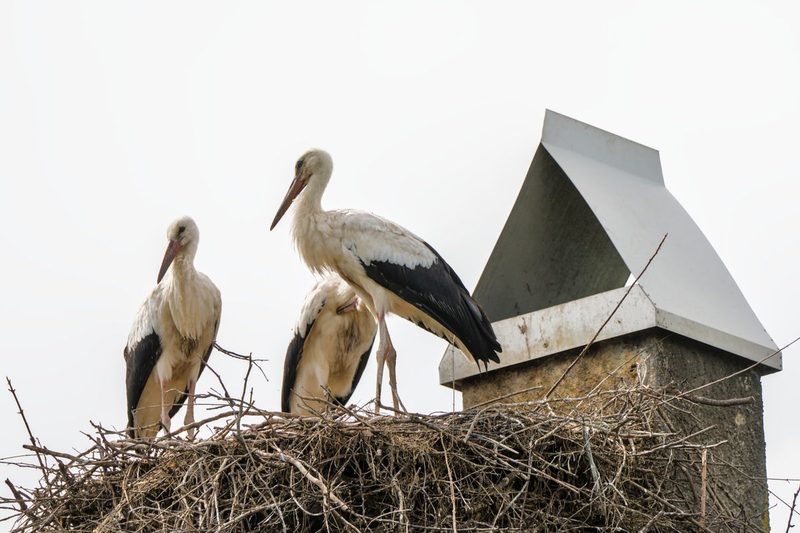
Here's the catch. Under section 1 of the Wildlife and Countryside Act 1981 it's an offence to take, damage or destroy the nest of any wild bird while it's in use or being built. The penalty can be an unlimited fine. So if birds are already nesting in your chimney, the cowl has to wait.
When to book the work
Jackdaws start building from about March, lay eggs in April and the young usually leave by late June or July. The safe window for fitting a birdguard is roughly August to February. Autumn is ideal: sweep the flue and fit the cowl in the same week.
Damp in Disused Flues and Why Ventilation Matters
A capped chimney that's sealed tight at the top is a damp problem waiting to happen. Old flues hold moisture in the brickwork and soot deposits, and without airflow that moisture condenses and soaks through to the chimney breast. Salts in the soot then pull moisture from the air, which is why stains often come back after redecorating.
The rule of thumb is simple: if you cap the top, vent the bottom. A ventilated cap at the pot plus an airbrick or small vent at the old fireplace opening, ideally around 100cm² of free area, keeps air moving through the flue. A slate over the pot plus a sealed fireplace is one of the commonest causes of damp breasts we see in Winchester terraces.
We've written about the bigger version of this job elsewhere, including taking a stack down entirely, in our guide to chimney removal and capping in Winchester. If your stack is cracked or leaning, start there, because a cowl on a failing stack doesn't solve much.
Period Homes, Conservation Areas and Listed Chimneys
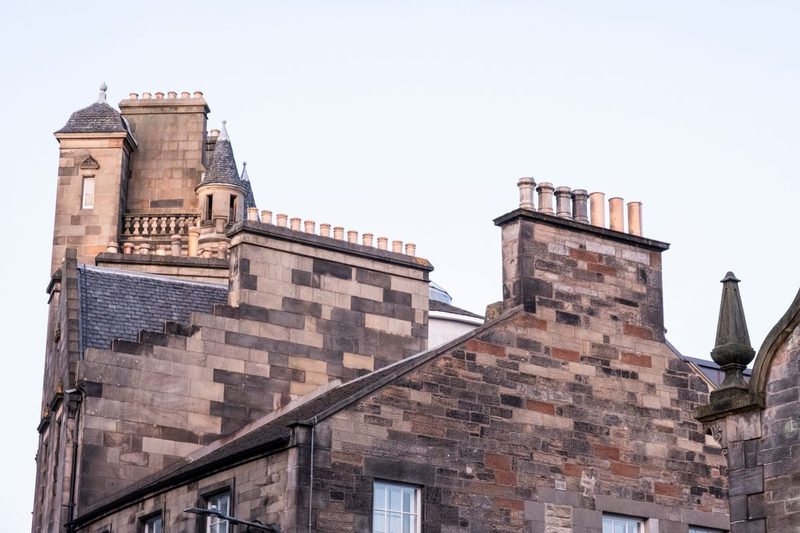
Winchester has a large central conservation area and many smaller ones in surrounding villages, plus well over 2,000 listed buildings across the district. Original clay pots count as part of a building's character.
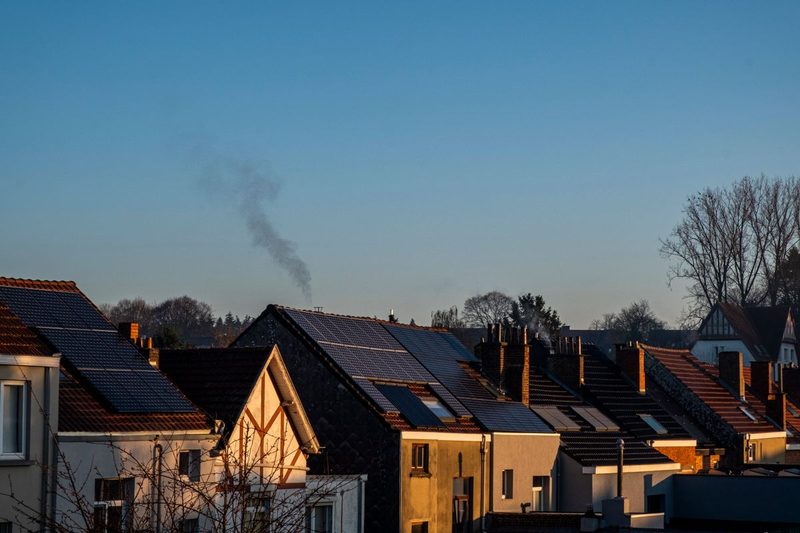
In a conservation area, a small cowl usually needs no planning permission, but removing original pots on a front elevation may draw attention. For a listed building, any change to the external appearance can need listed building consent, and that includes replacing a historic pot. In practice, a discreet black or terracotta birdguard that sits inside or on top of the existing pot is rarely an issue, while removing a pot or fitting a large stainless spinning cowl may be.
If your home is listed, ask your local planning team before work starts. Clay pot replacements in matching styles cost £80-£250 each where an original is cracked beyond saving.
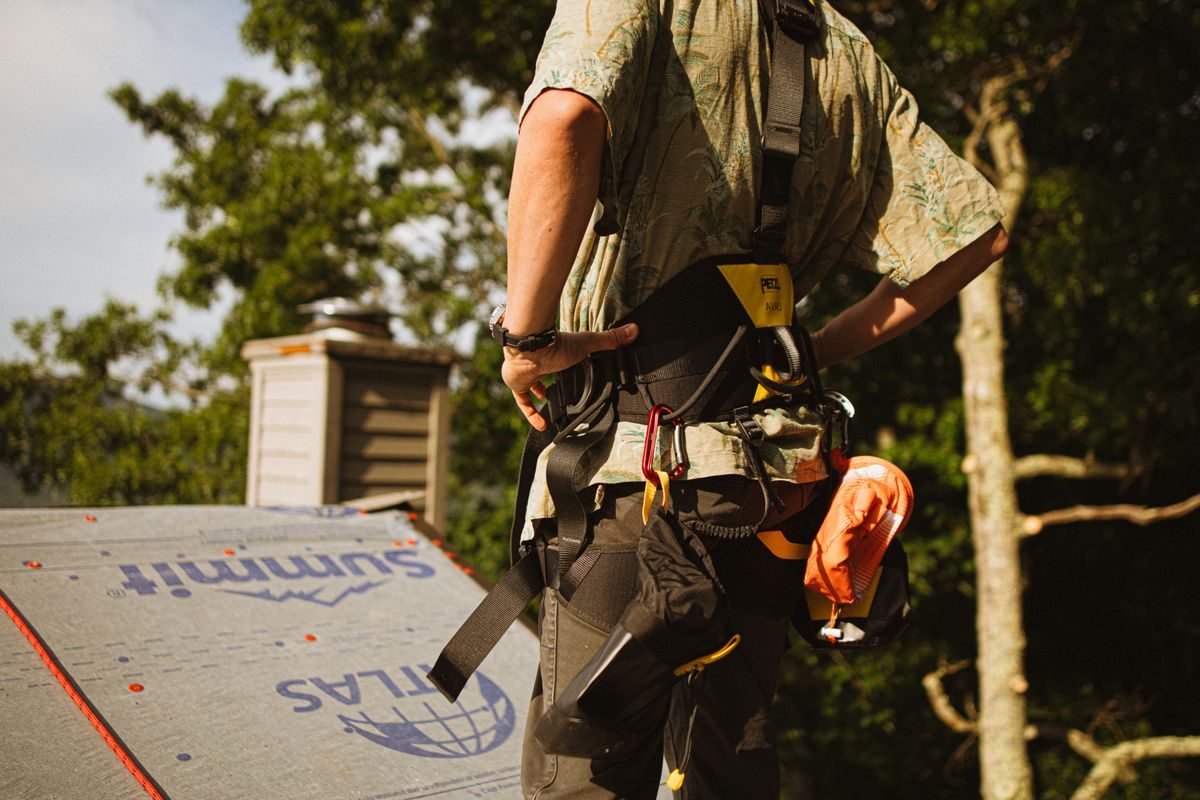
Access: Ladder, Scaffold Tower or Scaffold
Most of the cost of fitting a chimney cowl in Winchester is getting up there safely, not the part itself.
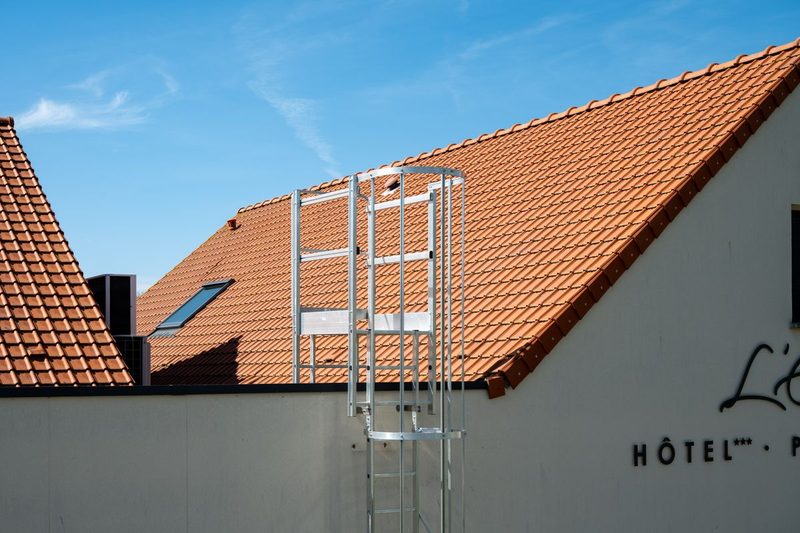
- A roof ladder off an extension ladder works for low stacks on single-storey or easy two-storey roofs, for short jobs only, and costs nothing extra.
- A scaffold tower suits a two-storey house with a clear flat area at the side or rear, typically £150-£300 for a day.
- A chimney scaffold or full access scaffold is needed on tall stacks, three-storey townhouses, steep slate roofs or terraces where the stack sits mid-roof. Expect £400-£900 including erection and strike.
On many central Winchester terraces the stack sits on the party wall, so sharing one scaffold with a neighbour halves the access bill.
Chimney Cowl and Birdguard Costs in Winchester for 2026
Typical 2026 supply-and-fit prices for a two-storey house:
- Fitting one rain cap or ventilated cap from a ladder: £120-£200.
- Fitting one stainless birdguard cowl from a ladder: £150-£250.
- Anti-downdraught or spinning cowl fitted: £250-£400.
- Each additional pot on the same stack at the same visit: £50-£100.
- Scaffold tower where needed: add £150-£300.
- Chimney scaffold where needed: add £400-£900.
- Clearing an old nest and sweeping before fitting: £80-£150 for the sweep, more if the nest is deep.
So for a typical terrace with two disused pots and one working stove, you might pay around £350-£550 off a ladder, or £800-£1,300 if a scaffold is needed.
Frequently Asked Questions About Chimney Cowls in Winchester
How much does it cost to fit a chimney cowl in Winchester?
In 2026, fitting a single birdguard cowl from a ladder usually costs £150-£250. Extra pots on the same stack add £50-£100 each. If scaffolding is needed, access adds £150-£900 depending on the height and position of the stack.

Can I remove a jackdaw nest from my chimney?
Not while it's in use or being built. The Wildlife and Countryside Act 1981 protects active nests of all wild birds. Wait until the young have left, usually by July, then have the flue swept and a birdguard fitted between August and February.
Should I seal the top of a chimney I no longer use?
Cap it, but don't seal it airtight. Use a ventilated cap at the top and leave a vent at the fireplace opening so air keeps moving through the flue. A fully sealed flue traps moisture and causes damp on the chimney breast.
Can I fit any cowl on a gas fire chimney?
No. A gas appliance needs a flue terminal approved for that appliance, and a Gas Safe registered engineer should confirm it. A generic birdguard or rain cap can affect how fumes clear and raise the risk of carbon monoxide.
Ready to work with Roof Repairs Winchester?
Let's connect! We’re here to help.
Send us a message and we’ll be in touch.
Or give us a call today at 01962 462074
Agency Contact Form
More Marketing Tips, Tricks & Tools