Selling a Period Home in Winchester With a Roof Problem: Retentions, What to Fix and What to Disclose
Winchester's average sale price sits around £570,000, roughly double the England average, and buyers at that level almost always commission a full RICS Level 3 survey rather than the cheaper Level 2. That matters, because a Level 3 involves someone getting into the loft with a torch and writing down what they find. On a Victorian terrace in Fulflood or a Georgian townhouse off Southgate Street, what they find is very often a roof covering that has done 120 years of service and is honest about it. The gap between what that repair costs and what a buyer asks you to knock off is routinely two to three times, and it's where Winchester sellers lose the most money. Here's how to close that gap.
What Winchester Surveyors Actually Flag
Level 3 surveys use a condition rating system: 1 for no repair needed, 2 for defects needing attention but not urgent, and 3 for defects that are serious or need urgent attention. A single condition rating 3 on the roof is enough to trigger a renegotiation.
The findings that come up repeatedly on Winchester's period stock:
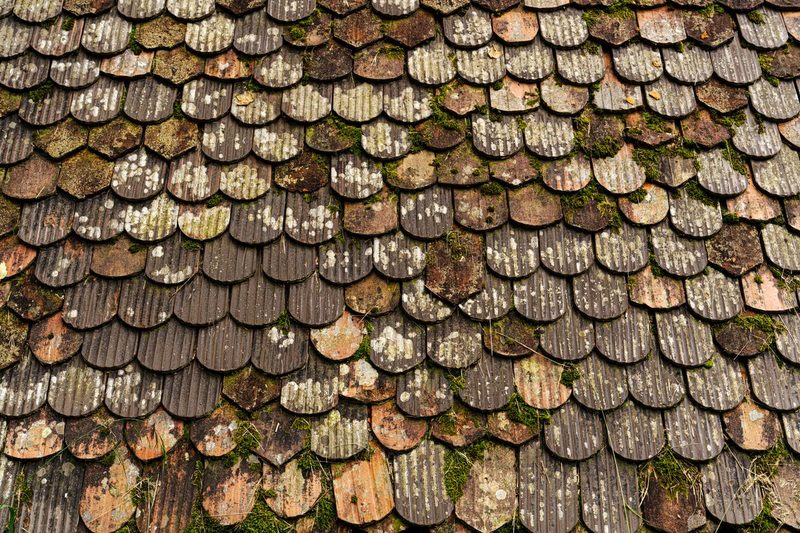
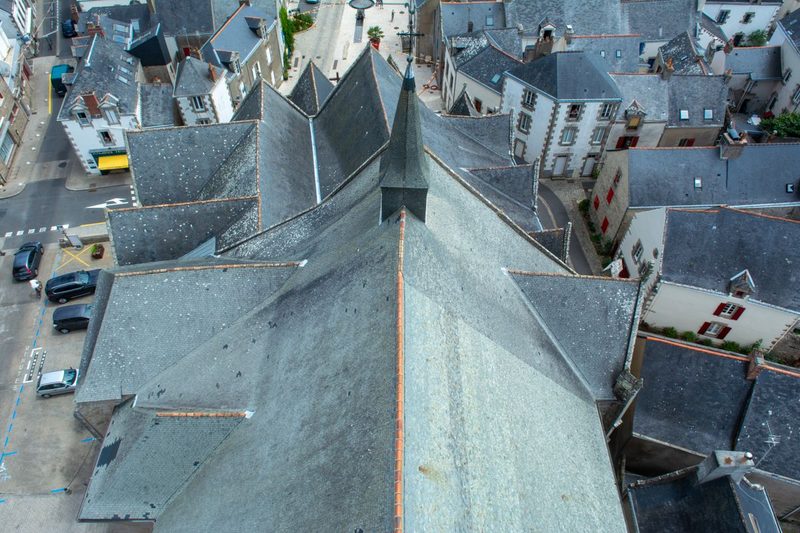
- Nail sickness. Welsh slate roofs laid before about 1920 were fixed with iron nails. The slate lasts 150 years; the nails last 80 to 100. When they go, slates slip in ones and twos across the whole roof, and patching becomes an annual event. Surveyors describe it as "evidence of progressive fixing failure" and it reliably produces a rating 3.
- No underlay. Pre-1930s roofs often have none. This isn't a defect exactly - the roof worked for a century without it - but surveyors note it, and buyers read it as a problem.
- Mortar-bedded ridges and verges with open joints or missing sections.
- Lead at the end of its life. Original lead flashings, valleys and soakers have a 60 to 100 year life. On Winchester's Georgian and Victorian property, much of it is now past that.
- Bat evidence in the loft. Winchester's period roofs and the surrounding chalk downland make this common, and it has real legal consequences for any planned work.
- Loft condensation and blackened rafter feet , usually from insulation blocking the eaves.
- Beetle or rot in rafter ends , particularly where a parapet or valley gutter has been leaking quietly.
Most of these are manageable. All of them look alarming in a report written in formal survey language. If you want to know which category your roof falls into before a buyer's surveyor tells you, getting your own assessment done first is the single highest-return thing a Winchester seller can do.
Why Buyers Ask for Two to Three Times the Repair Cost
This isn't buyers being unreasonable. It's how the information asymmetry works.
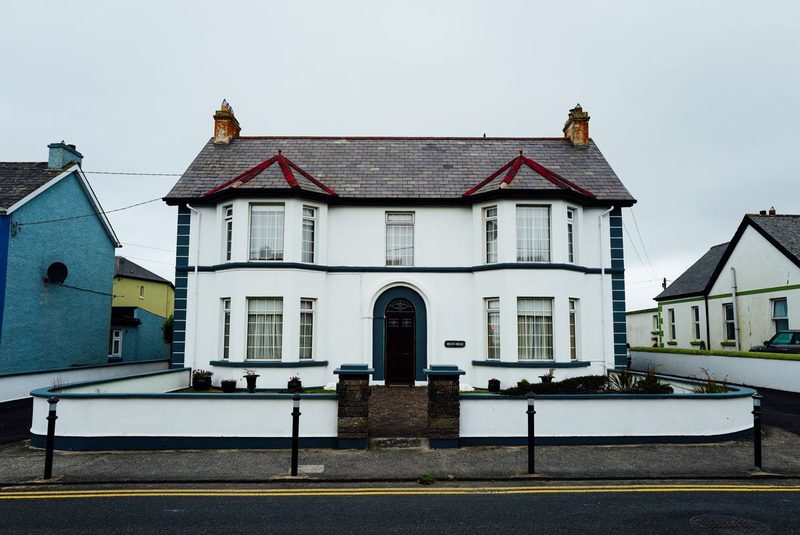
The buyer has a report saying the roof has defects. They don't have a price. So they do what anyone does: they guess high, because guessing low costs them money and guessing high costs them nothing. A survey noting slipped slates and perished lead on a Winchester terrace commonly produces a request for £15,000 to £25,000 off, when the actual remedial work - a lead flashing renewal and a slate stripping and relaying on one elevation - is £6,000 to £9,000.
The counter is a written quote. Not an estimate, not a verbal figure, but a specified quote from a named contractor with a scope of work. That converts an open-ended fear into a number, and it moves the negotiation from "how much do you think this costs" to "here's what it costs".
Sellers who have a quote in hand before the survey lands typically concede between a third and a half of what sellers without one concede. On a £570,000 Winchester sale, that difference is frequently £8,000 to £12,000 for the cost of a £150 inspection.
Understanding the Survey From the Other Side
It helps enormously to know what the buyer's surveyor is doing and why. We've written the mirror image of this article - roof surveys when buying a house in Winchester- which sets out what gets inspected, what the condition ratings mean, and what a survey costs. Reading it as a seller tells you exactly what's coming.
Lender Retentions, and Why They're Worse Than a Price Reduction
If the buyer's valuer flags the roof, the lender may impose a retention: they lend the full amount but hold back a sum, often £5,000 to £20,000, until the work is done and evidenced.
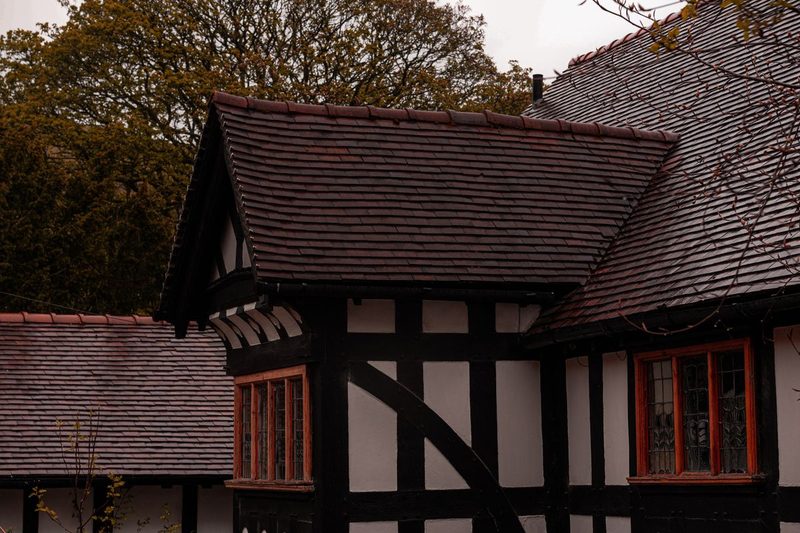
This is more disruptive than a straight price reduction for three reasons:
- The buyer has to find the retained sum in cash to complete, which many can't, and the sale falls through
- It has to be released after completion , which means the buyer needs the work done and re-inspected while they're also moving in
- It puts the lender's surveyor in charge of the specification , and they tend towards the conservative option
Because of this, retentions kill more Winchester sales than price negotiations do. A defect resolved before marketing never produces one.
What to Fix Before You List, and What to Leave
Not everything is worth doing. The test is whether the fix costs less than the discount it prevents, and whether it can be completed cleanly.
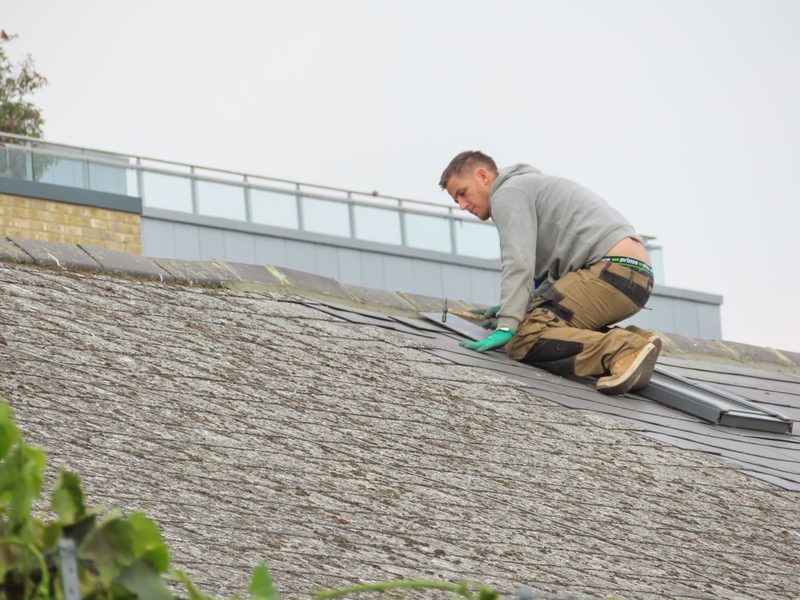
Worth doing before listing:
- Lead flashing renewal - £400 to £1,200 per elevation. High visual impact in a survey, moderate cost, and it removes an active leak risk.
- Slipped and cracked slates or tiles - £200 to £500. Cheap, and a roof with visible slipped slates from the pavement invites a discount before the surveyor even arrives.
- Gutter clearance and repair - £120 to £600. Winchester's mature street trees through Hyde, Fulflood and St Cross drop enough to block a gutter by November, and staining down a wall reads as neglect.
- Ridge re-bedding or dry ridge conversion - £800 to £1,700. Removes a standard survey finding.
- Loft ventilation improvement - £350 to £900. Cures the condensation that gets misreported as a leak.
Usually better to price in:
- A full re-roof at £14,000 to £30,000 on a slate period property. You rarely recover the full cost in the sale price, and a buyer may want a different specification.
- Anything needing listed building consent , because the consent process runs 8 to 12 weeks and you cannot safely start marketing against it.
- Structural work to the roof frame , which needs design and building control and will delay you further than it's worth.
The Disclosure Question
This is where Winchester sellers get into genuine legal difficulty, and it's worth being precise.
You complete a Property Information Form (TA6) as part of conveyancing. It asks direct questions about building works, consents, guarantees and disputes. You must answer those questions truthfully. Knowingly giving a false answer is misrepresentation, and a buyer can claim damages or, in serious cases, rescind the sale - after completion.
The specific roof-related traps on a Winchester period property:
- Works done without listed building consent. If the previous owner replaced clay tiles with concrete on a listed building without consent, that's an unresolved breach and it passes to the buyer. Disclose it.
- Works done without building regulations approval where approval was needed - structural alterations, a chimney breast removal, a loft conversion. The building regulations approval process produces a completion certificate, and if you don't have one, say so rather than hoping.
- Roofing guarantees. If you have one, produce it. If the contractor has since ceased trading, say that too.
- Known bats. If you know there are bats in the roof, that's material. It affects what the buyer can do and when.
You are not required to volunteer every defect - the buyer's survey exists for that. You are required not to give false answers to the questions you are asked, and not to conceal something you've been asked about. The distinction is important and it's the one people get wrong.
Getting the Right Contractor Report
A survey-response quote needs to do a specific job: give a named scope, a price, and enough authority that a buyer's solicitor accepts it.

What makes one credible:
- A named contractor with a trading history , ideally working to the technical standards published by the National Federation of Roofing Contractors
- A written scope - which elevations, which materials, what's included and excluded
- Materials specified properly. "Slate" is not a specification on a Winchester period property. Natural Welsh slate, reclaimed slate and Spanish slate are three different prices and three different planning positions in a conservation area.
- Scaffolding costed separately so the buyer can see it isn't hidden
- A validity period , so it can't be argued to be out of date
If the buyer's surveyor produced the finding, it's also worth knowing you can respond through your agent with the contractor's report attached. A RICS registered surveyor will engage with a specified quote in a way they won't with a seller's opinion.
The Order That Works
Twelve weeks before listing: get a roof condition report. £120 to £250, written, dated, with photographs.
Ten weeks: get quotes for anything the report flags. Do the cheap high-impact items - flashing, slipped slates, gutters, ridge. Leave the big-ticket work.
Eight weeks: gather the paperwork. Guarantees, building regs certificates, listed building consents, any previous roofing invoices. Put them in one folder.
At listing: brief your agent honestly on what's been done and what hasn't, with the quote to hand. An agent who knows the answer can manage the objection. One who's surprised by the survey can't.
When the survey lands: respond with the quote within 48 hours. Speed matters more than people think - a buyer left to imagine the cost for a week has already decided on a number.
Frequently Asked Questions
How much does a roof defect knock off a Winchester house sale?
Buyers typically ask for two to three times the actual repair cost, because they have a survey finding but no price. A defect costing £6,000 to £9,000 to fix commonly produces a request for £15,000 to £25,000. Having a written contractor's quote before the survey lands usually halves what you end up conceding.
Should I re-roof a period Winchester house before selling?
Usually not. A full slate re-roof costs £14,000 to £30,000 and rarely returns its full cost in the sale price, and the buyer may want a different specification. It is better to fix the cheap high-impact items - flashing, slipped slates, guttering, ridge - and price the larger work in with a quote to support the figure.
What is a lender retention and why does it matter?
A retention is where a mortgage lender holds back part of the loan, often £5,000 to £20,000, until roof work is completed and re-inspected. The buyer must find that sum in cash to complete, which frequently they cannot, so retentions cause more failed sales in Winchester than straightforward price reductions do.
Do I have to tell a buyer about a roof leak?
You must answer the Property Information Form truthfully, and that includes questions about works, consents, guarantees and disputes. You are not obliged to volunteer every defect, but giving a false answer to a question you have been asked is misrepresentation, and a buyer can pursue a claim after completion.
What should I do about roof work carried out without listed building consent?
Disclose it. An unresolved breach passes to the buyer and their solicitor will find it. Winchester has a large number of listed buildings and several conservation areas, and retrospective consent is sometimes obtainable, but concealing the breach converts a manageable problem into a misrepresentation claim.
```json { "@context": "https://schema.org", "@type": "FAQPage", "mainEntity": [ { "@type": "Question", "name": "How much does a roof defect knock off a Winchester house sale?", "acceptedAnswer": { "@type": "Answer", "text": "Buyers typically ask for two to three times the actual repair cost, because they have a survey finding but no price. A defect costing £6,000 to £9,000 to fix commonly produces a request for £15,000 to £25,000. Having a written contractor's quote before the survey lands usually halves what you end up conceding." } }, { "@type": "Question", "name": "Should I re-roof a period Winchester house before selling?", "acceptedAnswer": { "@type": "Answer", "text": "Usually not. A full slate re-roof costs £14,000 to £30,000 and rarely returns its full cost in the sale price, and the buyer may want a different specification. It is better to fix the cheap high-impact items such as flashing, slipped slates, guttering and ridge, and price the larger work in with a quote to support the figure." } }, { "@type": "Question", "name": "What is a lender retention and why does it matter?", "acceptedAnswer": { "@type": "Answer", "text": "A retention is where a mortgage lender holds back part of the loan, often £5,000 to £20,000, until roof work is completed and re-inspected. The buyer must find that sum in cash to complete, which frequently they cannot, so retentions cause more failed sales in Winchester than straightforward price reductions do." } }, { "@type": "Question", "name": "Do I have to tell a buyer about a roof leak?", "acceptedAnswer": { "@type": "Answer", "text": "You must answer the Property Information Form truthfully, and that includes questions about works, consents, guarantees and disputes. You are not obliged to volunteer every defect, but giving a false answer to a question you have been asked is misrepresentation, and a buyer can pursue a claim after completion." } }, { "@type": "Question", "name": "What should I do about roof work carried out without listed building consent?", "acceptedAnswer": { "@type": "Answer", "text": "Disclose it. An unresolved breach passes to the buyer and their solicitor will find it. Winchester has a large number of listed buildings and several conservation areas, and retrospective consent is sometimes obtainable, but concealing the breach converts a manageable problem into a misrepresentation claim." } } ] } ```
```json { "@context": "https://schema.org", "@type": "Article", "headline": "Selling a Period Home in Winchester With a Roof Problem: Retentions, What to Fix and What to Disclose", "description": "How a roof defect affects a Winchester house sale, what Level 3 surveys flag on period property, why buyers ask for three times the repair cost, and which jobs to do before you list.", "author": { "@type": "Organization", "name": "The Team" }, "datePublished": "2026-09-15", "dateModified": "2026-09-15", "articleSection": "Roof Repairs" } ```
Ready to work with Roof Repairs Winchester?
Let's connect! We’re here to help.
Send us a message and we’ll be in touch.
Or give us a call today at 01962 462074
Agency Contact Form
More Marketing Tips, Tricks & Tools