Roof Repairs on Winchester Flats: Who Pays, Service Charges and Section 20
Roof problems in a leasehold flat follow a depressingly consistent script. Water comes through a top-floor ceiling, the leaseholder rings the managing agent, the managing agent says it will be looked at, and then nothing happens for four months. Around 4.9 million homes in England are leasehold, and roughly a fifth of those are in converted houses rather than purpose-built blocks - which describes a very large share of Winchester's flats, given how much of the city's Victorian and Georgian housing has been split into two or three units. Those conversions are where the disputes concentrate, because the leases are often short, poorly drafted, and written before anyone thought carefully about who owns the roof. Understanding your lease is worth more than any amount of arguing. Here is how it actually works.
Who Owns the Roof: The Lease Decides, Not Common Sense
There is no general rule that the freeholder owns the roof. There is only what your lease says, and leases vary enormously - particularly in converted period properties.
In most purpose-built blocks, the structure including the roof is retained by the freeholder, forms part of the common parts, and is maintained by the freeholder or management company with the cost recovered through the service charge. That is the straightforward case.
Converted houses are messier. Some leases on top-floor flats demise the roof itself to the top-floor leaseholder, making them solely responsible for maintaining and repairing it. Some demise only the roof void or loft space but retain the roof structure. Some are silent on the point entirely, which is where litigation starts. It is not unusual in Winchester's converted Victorian terraces to find a lease that gives the top-floor flat the loft as storage while leaving the roof covering with the freeholder, and the boundary between the two is not defined anywhere.
Before anything else, read the lease - specifically the demise clause describing what you own, the landlord's repairing covenant, and the service charge clause listing what can be recovered. If you cannot find your copy, the Land Registry holds it. Once you know who is responsible, getting an independent assessment of the actual defect is the next step, and Winchester Roof Repairs can provide a written report that works equally well for pressing a freeholder or for supporting your own claim.
The Government's Leasehold Guidance
GOV.UK's leasehold property guidance sets out the basic framework of rights and obligations, including what a service charge can and cannot cover and what information a leaseholder is entitled to demand. It is the right starting point before you spend money on advice.
What a Service Charge Can Actually Be Used For
A service charge can only recover costs that the lease permits it to recover. That is the whole test, and it is narrower than many freeholders and managing agents behave as though it is.
Repairs to the structure and common parts are almost always recoverable where the lease contains a landlord repairing covenant. What is far more contested is improvement versus repair. If a roof is patched, that is repair. If a roof is replaced with a better specification than the original, part of that can sometimes be challenged as improvement rather than repair, depending on the lease wording. A freeholder replacing a failed felt flat roof with a like-for-life EPDM system is generally fine. A freeholder using a roof repair as the occasion to add insulation, rooflights and a new parapet may find parts of it successfully challenged.
Charges must also be reasonable, both in the decision to incur them and in the amount. That is a statutory protection and it applies regardless of what the lease says. A leaseholder can apply to the First-tier Tribunal (Property Chamber) for a determination on service charges on whether a charge is reasonable and payable. Applications are relatively inexpensive and the tribunal is used to dealing with unrepresented leaseholders.
The 18-Month Rule
One deadline worth knowing. A freeholder generally cannot recover a service charge cost through the service charge if they demand it more than 18 months after the cost was incurred, unless they notified the leaseholder in writing within that 18 months that the cost had been incurred and would be recharged. Freeholders who let roof works drift and then send a bill two years later frequently fall foul of this.
Section 20: The Consultation That Protects You
This is the single most useful piece of leasehold law for anyone facing a large roof bill, and a surprising number of leaseholders have never heard of it.

If a freeholder intends to carry out works that will cost any single leaseholder more than £250, they must follow a statutory consultation procedure before doing so. If they do not, their recovery is capped at £250 per leaseholder regardless of what the works actually cost. On a £30,000 roof replacement across four flats, that is the difference between £7,500 each and £250 each.
The procedure has stages. First, a Notice of Intention describing the proposed works and inviting observations, with at least 30 days to respond and the right to nominate a contractor. Then the freeholder obtains estimates, at least two, including from any contractor a leaseholder nominated. Then a Notice of Estimates, again with at least 30 days for observations, setting out the estimates and where they can be inspected. The freeholder must have regard to observations received and give reasons if they do not select the lowest estimate.
If the works are under a long-term agreement of more than 12 months, a different and stricter consultation regime applies. And a freeholder can apply to the tribunal to dispense with consultation, which is sometimes granted in genuine emergencies - a roof that has partially collapsed, for example - but is not a route around the process for ordinary planned works.
What to Do When You Receive a Section 20 Notice
Do not ignore it. The consultation period is your only real opportunity to influence what happens, and the right to nominate a contractor is genuinely valuable. Getting your own quote from a local firm and nominating them forces a competitive comparison and frequently brings the freeholder's preferred price down.
Ask for the scope of works in detail, not a one-line description. "Renew roof coverings" could mean anything between £8,000 and £40,000. And check whether the specification is proportionate - our guide to roofing warranties and guarantees in Winchester on listed and conservation property covers what a genuine guarantee should include, which is worth checking against whatever the freeholder's contractor is offering.
Winchester-Specific Complications
Winchester makes leasehold roof work harder than average for three reasons, and all three affect cost and timescale.
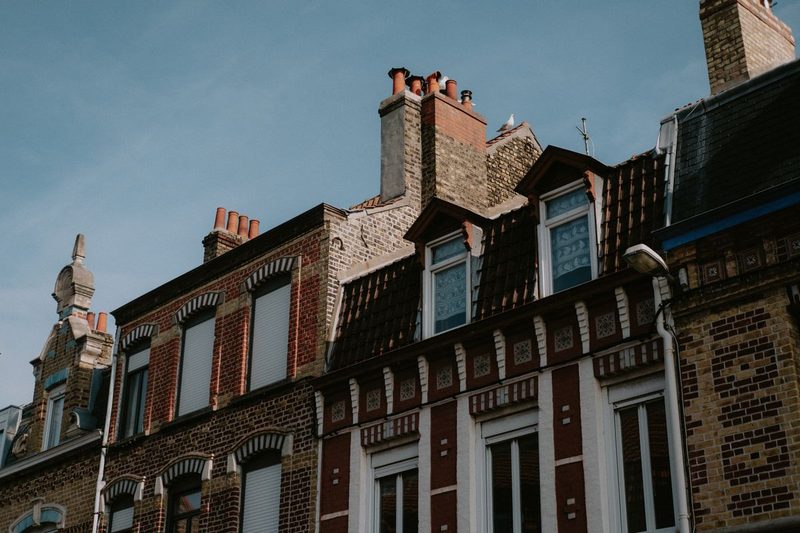
The first is conservation and listing. Large parts of central Winchester sit within conservation areas, and the city has a high density of listed buildings - several hundred within the city alone. On a listed building, replacing a roof covering with a different material, altering the roof profile, or adding rooflights requires listed building consent, and refusal is common where the change would affect the building's character. Clay peg tile and natural slate are frequently required rather than modern alternatives, and the material cost difference is substantial - handmade clay peg tiles can run £70 - £120 per square metre against £25 - £45 for concrete interlocking. Winchester City Council handles both planning and listed building consent, and their guidance is the place to start.
The second is access. Winchester's older converted flats are often on narrow streets in the city centre where scaffolding requires a pavement licence, and where there is simply no room for a skip and a scaffold simultaneously. Scaffold and access on a city-centre Winchester roof job routinely adds £1,200 - £3,000 to a project, and it is a cost that gets shared across leaseholders through the service charge.
The third is climate. Winchester sits in a river valley on chalk, with around 750 - 800mm of annual rainfall across roughly 140 wet days, and a long damp autumn and winter. High humidity in the valley floor combined with the poor ventilation typical of Victorian roof conversions - where a loft has been boarded or converted without proper ventilation being added - produces condensation problems that are routinely misdiagnosed as roof leaks. A significant share of "the roof is leaking" complaints in converted Winchester flats turn out to be interstitial condensation, and that matters legally because responsibility for condensation caused by inadequate ventilation may sit differently from responsibility for a failed roof covering.
When the Freeholder Will Not Act
Some freeholders, particularly absentee ones on converted houses, simply do not respond. There are escalating options.
Start with a formal written demand referencing the specific repairing covenant in the lease, with photographs, dated, sent by a method that proves delivery. Keep a paper trail from the beginning, because everything that follows depends on it.
If that fails, you can apply to the First-tier Tribunal for a determination that the landlord is in breach of covenant. You can also, in some circumstances, apply for the appointment of a manager to take over management of the building - a powerful remedy where a freeholder has persistently failed. And where the leaseholders collectively want out of the relationship entirely, there are statutory rights to Right to Manage or collective enfranchisement, both of which remove the freeholder from the repairs equation.
There is also the self-help route, which needs care. Some leases allow a leaseholder to carry out works the landlord has failed to do and recover the cost, but doing so without a clear contractual basis and without formal notice can leave you out of pocket. Get advice before spending your own money on a roof you may not be responsible for.
Meanwhile, if water is actively coming in, mitigate the damage and document it. Your own contents insurance will usually cover damage to your possessions and internal decoration, and the buildings policy - normally arranged by the freeholder and paid for through the service charge - should cover the structure. Notify both. Failing to mitigate can reduce what you recover later.
Frequently Asked Questions
Who is responsible for the roof in a leasehold flat? Whatever the lease says, and there is no general rule. In most purpose-built blocks the freeholder retains the roof as part of the structure and recovers repair costs through the service charge. In converted houses, which describes much of Winchester's flat stock, some leases demise the roof or roof void to the top-floor leaseholder. Check the demise clause, the landlord's repairing covenant and the service charge clause in your lease before accepting anyone's assertion.
What is Section 20 consultation and why does it matter? If a freeholder plans works costing any single leaseholder more than £250, they must follow a statutory consultation procedure first - a Notice of Intention with 30 days for observations and the right to nominate a contractor, then estimates, then a Notice of Estimates with a further 30 days. If they skip it, their recovery is capped at £250 per leaseholder no matter what the works cost. On a £30,000 roof across four flats that is the difference between £7,500 and £250 each.
Can I challenge a roof repair service charge as unreasonable? Yes. Service charges must be reasonably incurred and reasonable in amount, which is a statutory protection independent of the lease wording. You can apply to the First-tier Tribunal (Property Chamber) for a determination. Also check the 18-month rule - a freeholder generally cannot recover a cost demanded more than 18 months after it was incurred unless they notified you in writing within that period.
Why do Winchester leasehold roof jobs cost more? Three reasons. Conservation area and listed building requirements often mandate clay peg tile or natural slate at £70 - £120 per square metre against £25 - £45 for concrete alternatives, plus the cost and delay of listed building consent. City-centre access is constrained, with scaffold and pavement licensing routinely adding £1,200 - £3,000. And Victorian conversions frequently need ventilation remediation alongside the covering work.
My ceiling is wet but the roof looks fine. What now? It may well be condensation rather than a leak. Winchester's river valley location gives high winter humidity, and Victorian loft conversions were frequently boarded or converted without adequate ventilation being added, producing interstitial condensation that presents exactly like a roof leak. This matters legally, because responsibility for condensation from poor ventilation can sit differently from responsibility for a failed covering. Get an independent written assessment before the argument starts.
Ready to work with Roof Repairs Winchester?
Let's connect! We’re here to help.
Send us a message and we’ll be in touch.
Or give us a call today at 01962 462074
Agency Contact Form
More Marketing Tips, Tricks & Tools