Roofing Warranties and Guarantees in Winchester: What a Contractor's Guarantee Covers on Listed and Conservation Property
A roofing warranty sounds like a simple promise, and on a standard semi it mostly is. On a listed building in Winchester it gets more complicated, because the warranty is only as good as the work it sits behind, and a repair that skips listed building consent can end up with no legal standing at all. Somewhere in the region of 1,000 buildings across the district carry listed status, concentrated through the historic core and the streets running off the High Street, and a meaningful share of the roofs above them are the original clay, stone slate or handmade tile the listing exists to protect. Small building firms have a failure rate that runs into the tens of per cent within five years of trading, which is exactly the period a roofing guarantee is meant to survive. This guide sets out what a roofing warranty actually is in Winchester, what changes when the property is listed or in a conservation area, and what to check before you rely on one.
The Three Different Things People Call a "Roofing Warranty"
Homeowners tend to use "warranty" and "guarantee" to mean the same thing, but a Winchester roofing quote usually has three separate promises bundled into it, and they fail in different ways.

A manufacturer's product warranty covers the materials only - the tile, the membrane, the lead - against faults in how they were made. Concrete and clay tile manufacturers commonly offer 15 to 50 years on the product itself, but that warranty is void the moment the material was fitted wrong, and it says nothing about the labour. A workmanship guarantee is the contractor's own promise on their installation, typically 10 to 25 years from a reputable Winchester firm. It's only as good as the company behind it staying in business, which is not something you can take on trust. Check whether a firm is still trading and how long it has been registered through the Companies House online register before you sign anything, not after a leak appears.
An insurance-backed guarantee (IBG) is different again - it is a separate insurance policy that pays out if the *contractor* disappears, rather than covering the roof itself. If you have got in touch through the Roof Repairs Winchester homepage to ask about a guarantee, this is usually the point worth clarifying early, because it is the one that actually protects you against the most common failure mode: a small firm folding.
How Listed Status Changes What a Guarantee Can Cover
This is where Winchester diverges from a standard warranty conversation. It's the part most generic guarantee guides miss entirely.

A workmanship or manufacturer guarantee is a contract about the quality of work carried out. It says nothing about whether that work was lawful. If a roof covering on a listed building was changed, or even like-for-like tiles were swapped without checking first, and it later turns out listed building consent was required and never obtained, the guarantee does not protect you from the enforcement consequences. You can be ordered to reinstate the original materials at your own cost regardless of what any warranty document says, because unauthorised work to a listed building is a criminal offence under separate law, not a contract dispute. You can read the government's own position in the official guidance on listed building consent, and it is worth ten minutes before any quote is accepted, not after.
Heritage-Matching Materials and the Warranty Gap
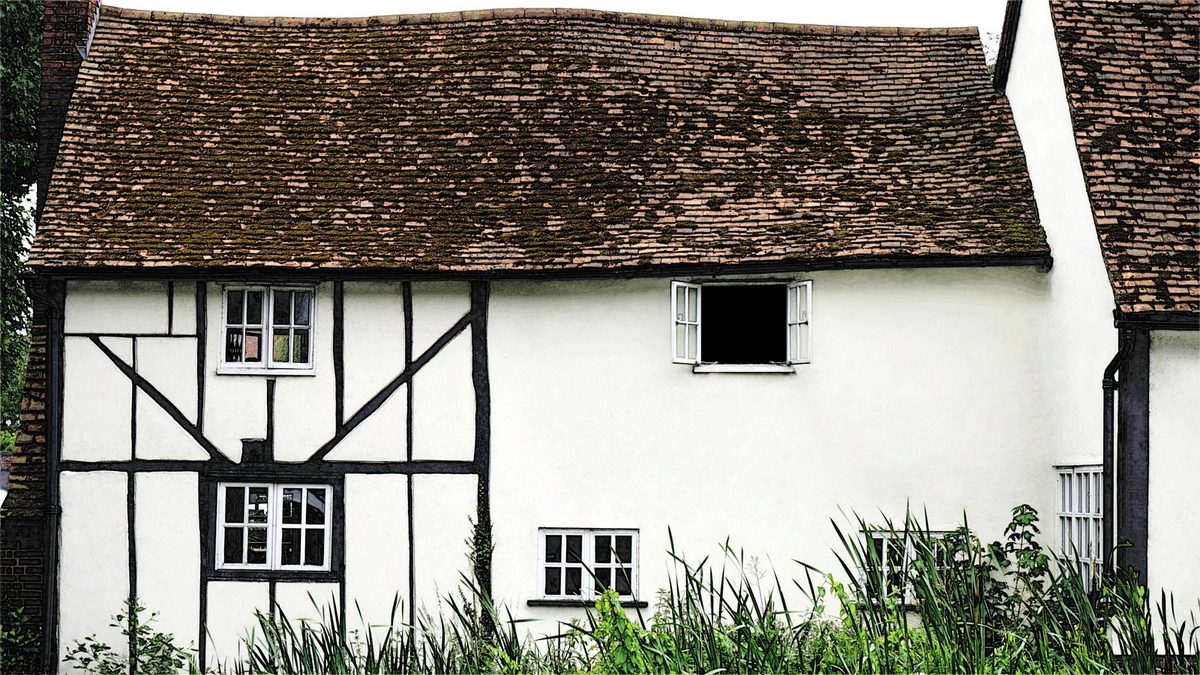
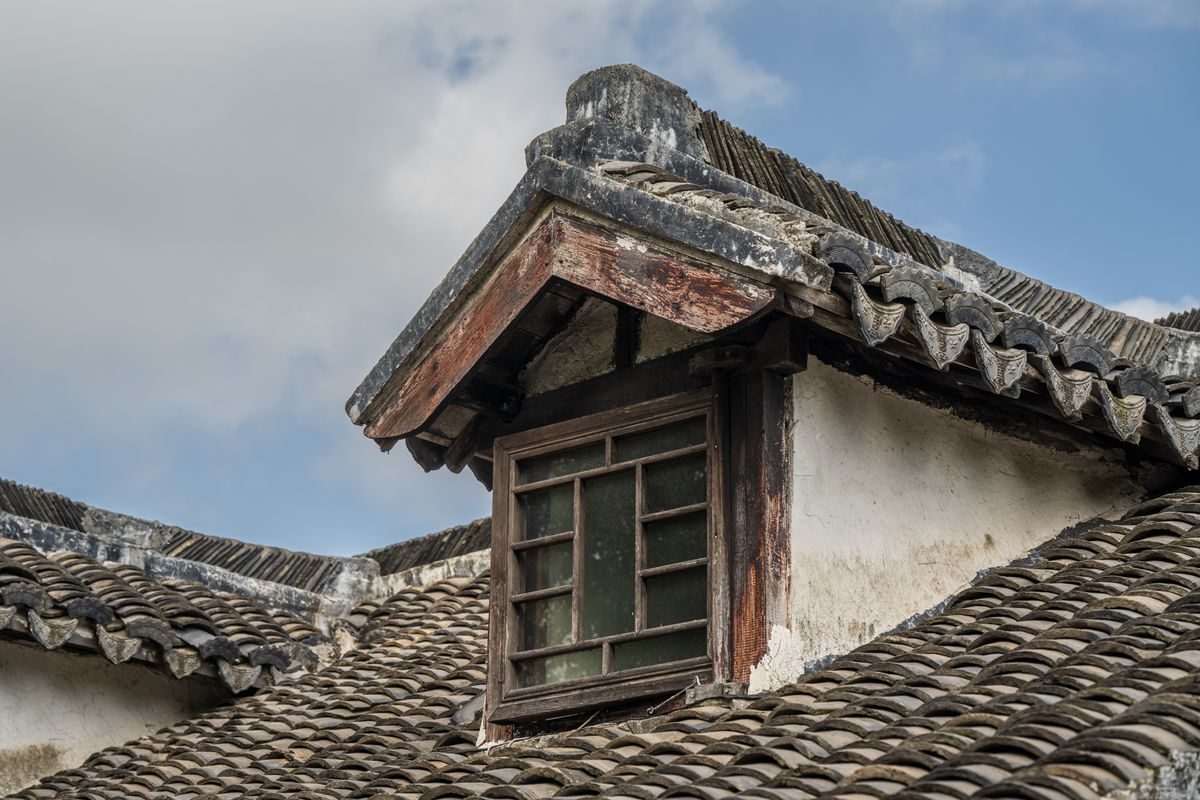
There is a second, quieter problem. Reclaimed and handmade materials - the clay peg tiles, the aged natural slate that a conservation officer will insist on for a listed roof - often carry no manufacturer warranty at all, because there is no manufacturer. A salvage yard selling reclaimed Welsh slate is not going to offer a 50-year product guarantee the way a modern concrete tile factory will. On a listed Winchester roof, this typically means the workmanship guarantee on the fixing and detailing is carrying more weight than it would on a standard reroof, because the material warranty most homeowners assume exists simply is not there.
What Actually Invalidates a Roofing Guarantee
Guarantees are conditional documents, and the conditions are where most disputes start.

The most common invalidator on a period Winchester roof is unapproved subsequent work - a second contractor patching a valley, or a homeowner having solar panels fitted through the original roofer's guaranteed area, without the original firm signing off. Roughly two in five guarantee disputes reviewed by trade bodies nationally trace back to a change made after the original work, not a fault in the original job itself. Ventilation is the other frequent catch: several tile and membrane manufacturers make their product warranty conditional on the correct ventilation being installed alongside the covering, and on an older Winchester loft with no existing ventilation path, that condition is easy to miss at quote stage and expensive to discover later.
Non-payment or a partial payment dispute can also void a guarantee outright, even where the roof itself is faultless, because most guarantee documents are explicit that they only take effect once the contract is paid in full.
Insurance-Backed Guarantees: The Small Print That Matters on Older Roofs
An IBG is generally the strongest protection available, but it is not unconditional, and older properties run into two specific limits worth knowing about before you buy one.
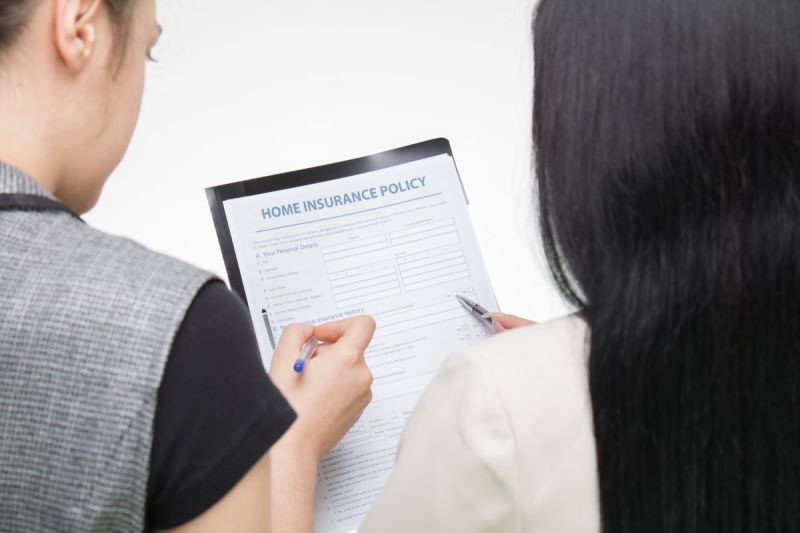
First, IBGs are usually written against a defined scope of work, matched to the original specification. If the roof covering is later altered - which, on a listed or conservation property, is more likely simply because materials get repaired piecemeal over the years - the policy can be read narrowly against the current condition of the roof rather than what was originally guaranteed. Second, IBG premiums and the underwriting behind them are priced against risk, and a contractor without independent accreditation is more likely to be offering a guarantee that has not actually been underwritten at all, just printed on a certificate. TrustMark's guidance on insurance-backed guarantees sets out what a genuine, underwritten IBG should include, and it is a useful document to hold a contractor's paperwork against line by line.
Vetting a Contractor's Guarantee Before You Sign
The guarantee document itself tells you more about a contractor than almost anything else in the quote pack, if you know what to check.

Ask for the guarantee wording in writing before work starts, not after, and check it names an insurer for any IBG element rather than just the contractor. Membership of a body such as the National Federation of Roofing Contractors is worth checking on the register directly rather than trusting a van logo, because NFRC membership is one of the routes through which a workmanship guarantee gets backed independently of the individual firm's own solvency.
This Sits Alongside Vetting the Contractor Themselves
A strong guarantee from a contractor who should never have been hired in the first place is not much protection. We covered the wider vetting process, including the accreditation checks and the conservation-specific questions worth asking, in our guide to choosing a roofing contractor in Winchester- the guarantee paperwork and the contractor vetting really are two halves of the same check, and it is worth reading both before a job on a period roof goes ahead.
What to Do If a Warranty Claim Gets Refused
A refused claim is not automatically the end of the road, and Winchester homeowners have more routes than most people assume.

Start by asking for the refusal reason in writing, because a verbal "that's not covered" is not enforceable against anything. If the contractor is still trading and a workmanship guarantee is in place, a formal letter referencing the specific guarantee clause is usually enough to reopen the conversation, since roughly half of initial refusals are reversed once a homeowner pushes back with a written reference to the guarantee terms. If the firm has ceased trading, this is exactly the scenario an IBG exists for, and a claim goes to the insurer directly rather than the defunct company. Where no IBG exists and the firm is gone, general consumer protection law still applies to the original contract, and it sets out routes available even without a guarantee document in hand, though pursuing a dissolved company is slower and less certain than either a workmanship guarantee or an IBG claim.
Frequently Asked Questions
Do listed buildings get different roofing warranties in Winchester?
Not a different type of warranty as such, but the practical value of one changes. A workmanship guarantee cannot protect you from enforcement action if the underlying work needed listed building consent and did not get it, because that is a separate legal issue from contract quality. Always confirm consent status before the work starts, regardless of what the guarantee promises.

How long should a roofing guarantee last in Winchester?
A workmanship guarantee of 10 to 25 years from an established, insured local contractor is typical. Manufacturer material warranties can run considerably longer, 15 to 50 years depending on the product, but only cover the material itself, not the fitting.
Is an insurance-backed guarantee worth paying extra for?
Generally yes, particularly given how many small building firms stop trading within five years. An IBG is the one guarantee element that survives the original contractor disappearing, which a standard workmanship guarantee cannot do on its own.
Can I get a guarantee on reclaimed or handmade heritage roofing materials?
Reclaimed materials themselves rarely carry a manufacturer warranty, since there is no manufacturer standing behind them. The workmanship guarantee on the fitting and detailing becomes the main protection, which is why it is worth checking that element particularly closely on a listed or conservation roof.
Ready to work with Roof Repairs Winchester?
Let's connect! We’re here to help.
Send us a message and we’ll be in touch.
Or give us a call today at 01962 462074
Agency Contact Form
More Marketing Tips, Tricks & Tools