How to Choose a Roofing Contractor in Winchester: The Checks That Matter on Period and Conservation Property
Winchester is a difficult place to be a bad roofer and an easy place to get away with it for a while. The district has somewhere in the region of a thousand listed buildings, a conservation area that covers most of the historic core, and average property values well above the national figure. That combination attracts two types of contractor: the specialists who genuinely know how to work on flint, clay peg tile and lead, and the door-knockers who know that a homeowner with a wet ceiling and a Grade II listing does not always ask the right questions. Trading Standards services across the UK consistently rank home improvement and roofing among the highest-complaint categories. This is the checklist we would use ourselves, in the order we would use it.
Start With What the Job Actually Is
Before you speak to anyone, work out whether you need a repair, a replacement or a survey. These attract different contractors and very different quotes.
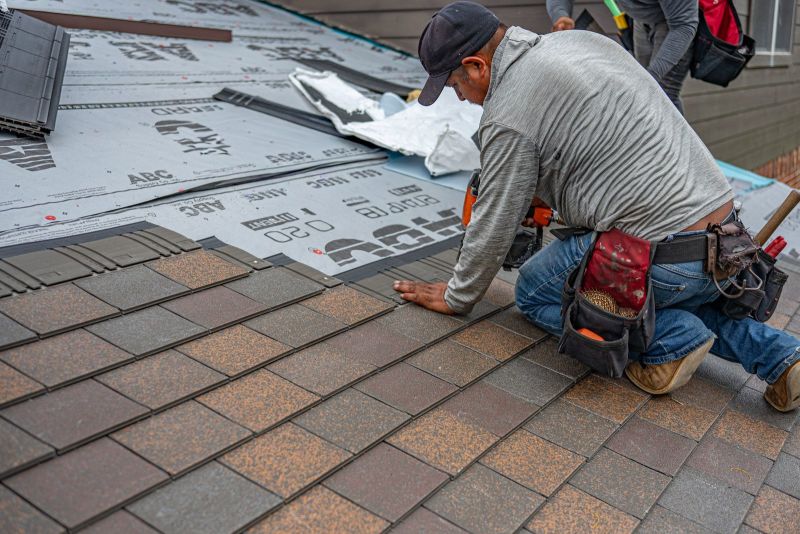
A repair is a defined fault with a defined fix: three slipped tiles, a failed lead soakered abutment, a cracked ridge. A replacement is a whole-covering decision. A survey is what you need when you genuinely do not know, and it should cost £180 to £450 in Winchester and produce a written report with photographs, not a verbal opinion and a quote attached.
The reason this matters is that a contractor who only quotes for full replacements will find a reason for a full replacement. If two firms say repair and one says re-roof, that is information. We are happy to give a straight answer on which category your roof falls into, and you can ask through the Winchester Roof Repairs website. Our guide to roof repair versus replacement in Winchester sets out how the decision is normally made.
The Basic Checks Nobody Should Skip
Five things, and all of them take under fifteen minutes.
Get the full company name and registration number and look it up on Companies House. Check how long it has traded and whether the directors have a string of dissolved companies behind them.
Get a landline or a proper business address. A mobile number and a Facebook page is not a business you can chase in eighteen months when the flashing fails.
Ask for public liability insurance and check the certificate is current, in the company's name, and for at least £2 million. Ask for employers' liability too if they have staff.
Check accreditations independently rather than trusting a logo on a van. The National Federation of Roofing Contractors and TrustMark both have searchable registers, as does the Federation of Master Builders. Logos are easy to copy. Register entries are not.
Ask for two recent local references and actually call one. Ask what went wrong, not whether they were happy, because every job has a hiccup and the answer tells you how the firm behaves under pressure.
The Winchester-Specific Questions
This is where the generic checklists stop being useful.
Listed buildings and conservation areas
If your property is listed, almost any change to the roof covering, including like-for-like replacement in a different material, needs listed building consent from Winchester City Council. Doing it without consent is a criminal offence, and the liability sits with the owner, not the contractor.
Ask the roofer directly: have you done listed work in Winchester, and who applied for consent? A firm that shrugs and says "it's only a repair" is a firm that will leave you holding the problem.
In conservation areas the controls are looser but still real, particularly on roof materials visible from the street, rooflight placement and anything altering the roof profile. Article 4 directions in some parts of the district remove permitted development rights entirely.
Materials that actually match
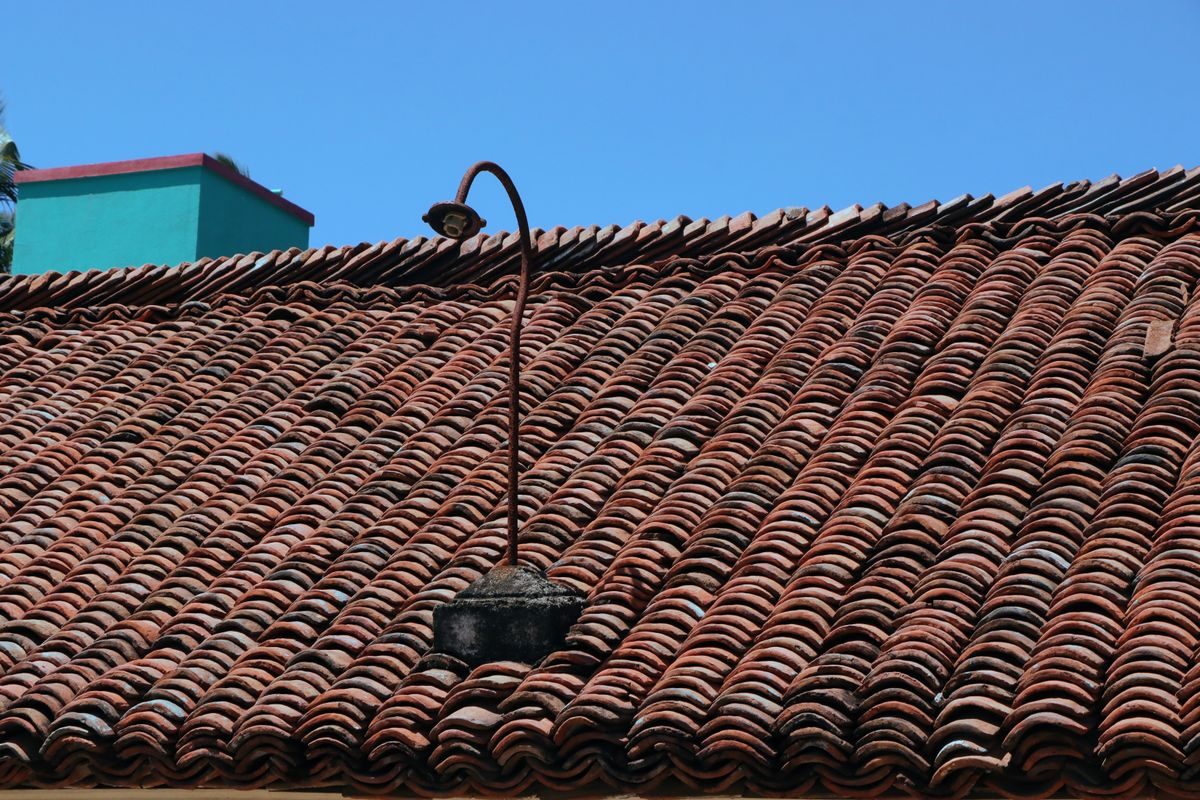
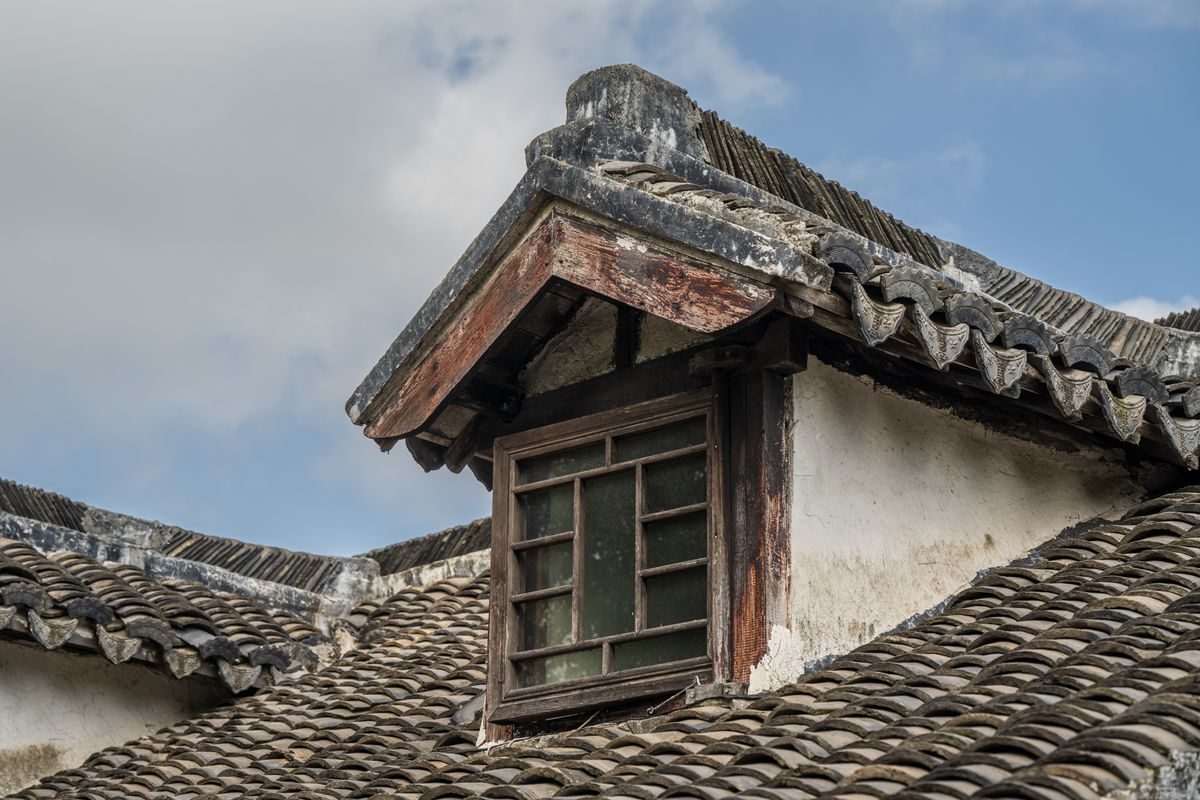
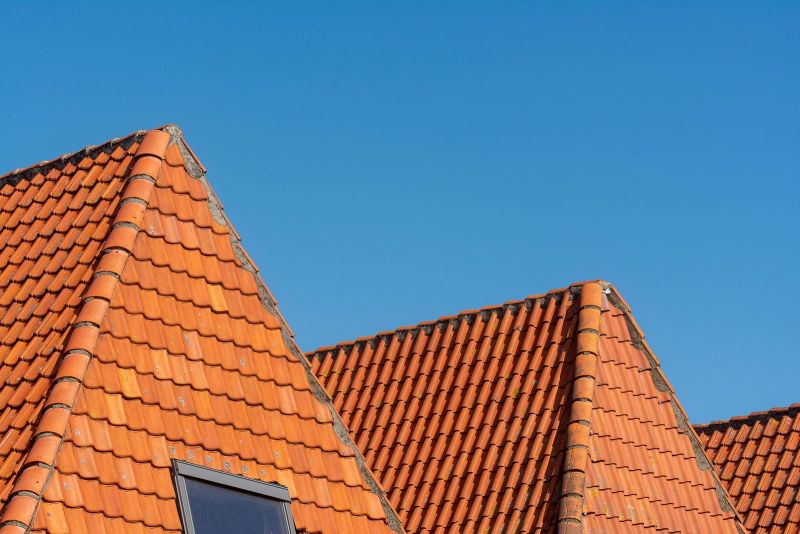
Winchester's older housing stock uses clay peg tiles, handmade plain tiles, natural slate and a fair amount of lead. Modern machine-made tiles look wrong next to handmade ones and a conservation officer will say so.
Ask what they intend to use and where it is coming from. Reclaimed handmade clay peg tiles run £1.80 to £4.00 each depending on availability. Machine-made equivalents are a third of that and are not the same thing. A contractor who has not thought about sourcing before quoting has not really quoted.
Lead work
Winchester has a lot of lead: valleys, bays, dormer cheeks, chimney work. Lead is a specialist skill and the failure mode of bad leadwork is thermal splitting a few years later, long after the invoice is paid.
Ask what code of lead they use and what bay lengths they work to. Correct answers reference Lead Sheet Association guidance and code 4 to code 6 depending on application, with limits on individual bay length to allow for expansion. Someone who cannot answer that should not be doing your valley.
Reading the Quote
A quote that is one line and one number is not a quote.

What you want to see: the scope of work described in plain terms, the materials named by manufacturer and type, whether scaffolding is included and for how long, how waste is removed, the payment schedule, the workmanship guarantee period, and the VAT position.
Scaffolding is the most common hidden cost. On a Winchester terrace with restricted access and possible pavement licensing from Hampshire County Council, it can be £1,400 to £3,000 rather than the £700 you might assume.
On price: get three quotes and be suspicious of the outlier in both directions. The cheapest is usually cheap because something is missing from the scope. The most expensive is not automatically the most thorough.
Never pay in full up front. A deposit of 10% to 25% on a large job is normal, staged payments against completed work are normal, and full payment before anything happens is not. If a contractor asks for cash for materials on a job under a thousand pounds, that is a straightforward no.
Building Regulations, Certificates and What You Will Need Later
Replacing more than 25% of a roof covering triggers a thermal upgrade requirement under Building Regulations Part L, and the work needs either a building control application or a competent person scheme registration. Under building regulations approval the responsibility for compliance rests with the property owner.

Ask who is notifying the work and get the certificate afterwards. You will need it when you sell, and reproducing it retrospectively is slow and expensive. Registered installers can self-certify through a competent person scheme, which is quicker than a full building control application.
Keep everything: the quote, the specification, the guarantee, the certificate, the invoice, and dated photographs during the work if you can get them.
Red Flags, In Order of Seriousness
Cold-calling at the door after a storm, claiming to have spotted a problem from the road. Legitimate Winchester roofers have more work than they can handle and do not need to knock.
Pressure to decide today, or a price that "expires at the weekend".
Refusal to provide a written quote, or a written quote with no company address on it.
Cash-only, or a request to pay a large deposit into a personal account.
Starting work before anything is signed, then presenting a larger bill on the basis that more was found once the roof was open. Genuine variations happen, but they get agreed in writing before the extra work is done, not after.
A guarantee that is not insurance-backed. A twenty-year guarantee from a company that has existed for eight months is a piece of paper.
Frequently Asked Questions
Do I need listed building consent to repair a roof in Winchester?
If the property is listed, most roof work needs consent, including replacing the covering with a different material or altering the profile. Genuine like-for-like repairs using matching materials are sometimes treated as maintenance, but the safe route is to ask Winchester City Council's conservation team before starting. The legal responsibility falls on the owner.
How many quotes should I get for roof work?
Three is the usual advice and it holds up. Make sure all three are quoting for the same scope, because otherwise you are comparing different jobs. If one quote is dramatically lower, ask specifically what is included for scaffolding, waste removal and underlay before assuming it is a bargain.
What accreditations should a Winchester roofer have?
Look for NFRC membership, TrustMark registration, or Federation of Master Builders membership, and check the register rather than the logo. For flat roofing, manufacturer-approved installer status matters because it is usually what activates the product warranty. None of these are legally required, which is exactly why they are worth checking.
Is it safe to pay a deposit for roofing work?
A reasonable deposit is normal on larger jobs, typically 10% to 25%, and should be paid to a company bank account against an invoice. Be wary of large up-front payments on small jobs, cash requests, or payments to personal accounts. Paying by credit card on amounts over £100 gives you additional protection under Section 75 of the Consumer Credit Act.
Ready to work with Roof Repairs Winchester?
Let's connect! We’re here to help.
Send us a message and we’ll be in touch.
Or give us a call today at 01962 462074
Agency Contact Form
More Marketing Tips, Tricks & Tools