Emergency Roof Repairs in Winchester: What to Do and What It Costs
A roof emergency rarely announces itself politely. It's water dripping through a bedroom ceiling at 11pm, a ridge tile lying in the front garden after a windy night, or daylight showing through the loft where it shouldn't. Winchester gets roughly 750-800mm of rain a year - less than the UK average of around 1,150mm - but when a south-westerly front comes over the Downs it tends to arrive hard and all at once, which is exactly when a weakened roof gives up. Emergency callouts in Hampshire cluster heavily between October and February, and roofers here report that 60-70% of their urgent work follows named storms. The good news: most roof emergencies look worse than they are, and the right response in the first hour saves hundreds of pounds later. This guide covers what to do immediately, what a genuine emergency costs in Winchester in 2026, and how to avoid the rogue traders who follow storms around.
What Counts as a Roof Emergency in Winchester
Not every roof problem is an emergency, and knowing the difference saves you paying premium callout rates for something that could wait until Monday. A genuine emergency is active water entering the property, structural movement, or debris that could fall and hurt someone. Water running through a light fitting, a sagging ceiling, or tiles hanging over a pavement or driveway - those all justify a same-day call.
A damp patch that's been slowly growing for weeks, a single slipped tile on a roof with sound felt beneath, or moss-blocked gutters are urgent-ish but not emergencies. Around 40% of "emergency" callouts turn out to be jobs that could have been booked as standard repairs at 30-50% lower cost. If you're not sure which yours is, Roof Repairs Winchester will tell you honestly over the phone before anyone gets in a van.
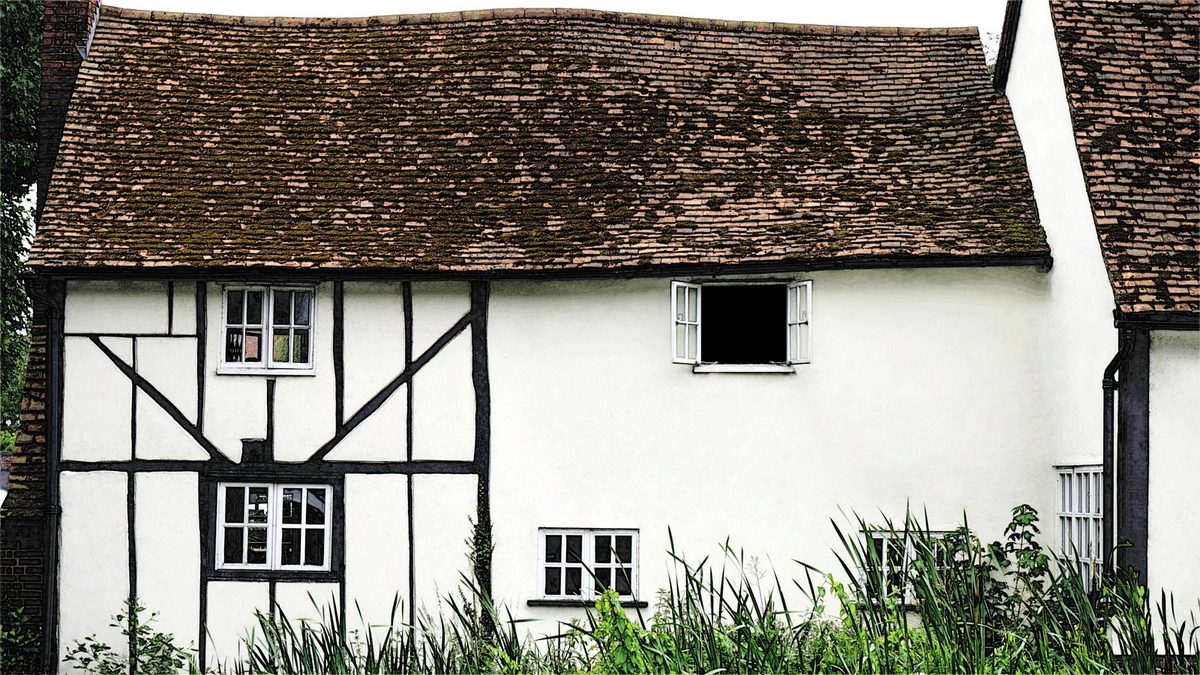
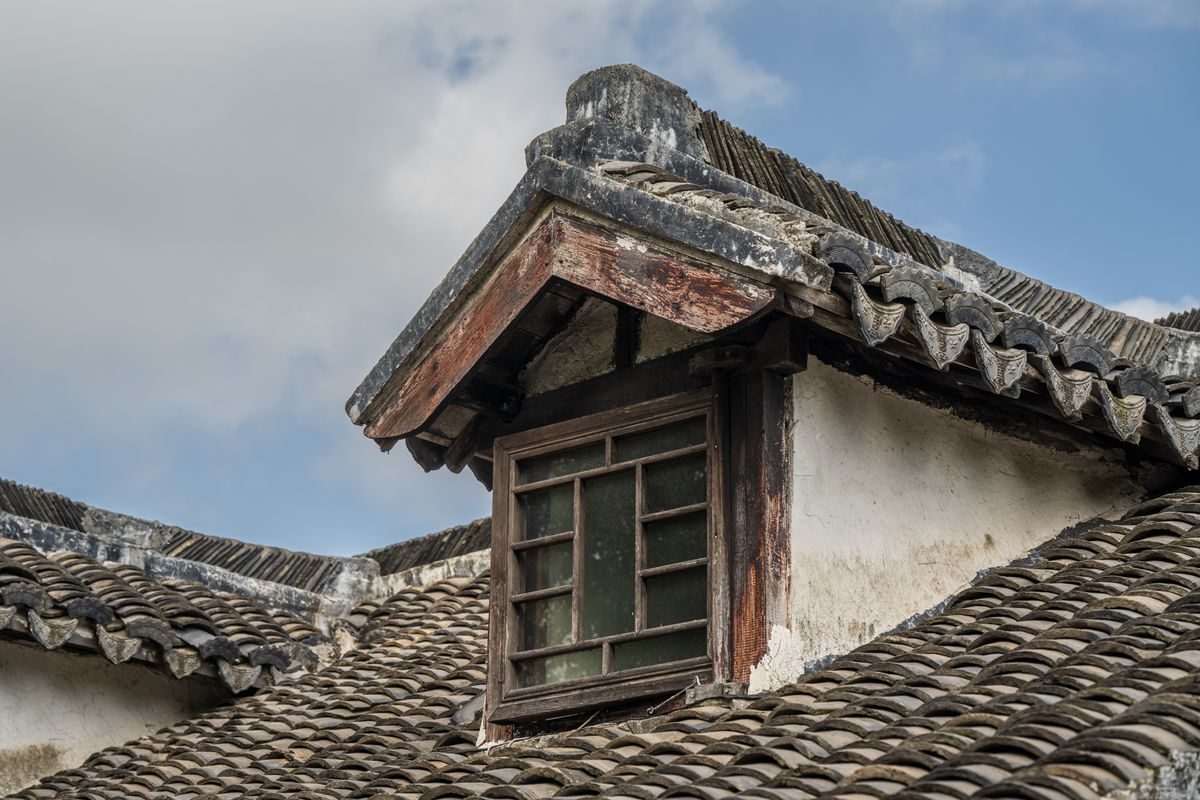
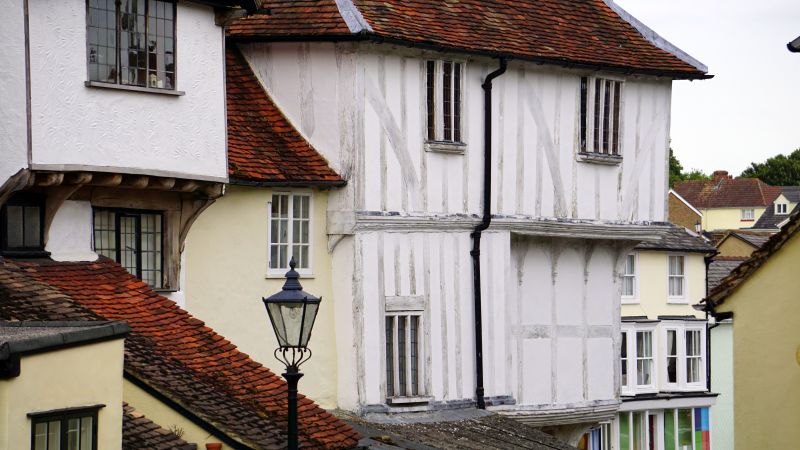
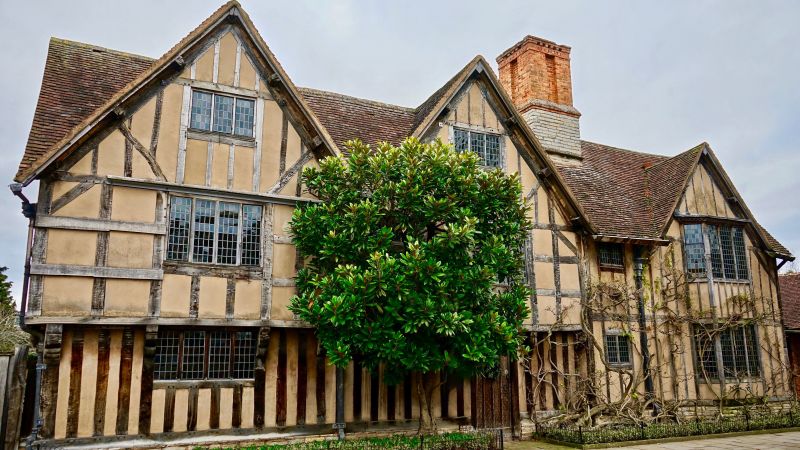
Winchester's housing stock skews the odds a bit. The city has a high proportion of pre-1940 homes - Victorian terraces around Hyde and St Cross, Edwardian villas near the station - and older mortar-bedded ridge tiles and nail-sick slate are far more likely to fail suddenly than a modern interlocking concrete roof.
What to Do in the First Hour
Deal with the water first, not the roof. Move furniture, put buckets or bins under active drips, and lift carpets if water is pooling. If water is anywhere near electrics - a light fitting, a ceiling rose, a socket - turn off the circuit at the consumer unit. Water and live wiring is the one part of a roof leak that can genuinely hurt you.
If a ceiling is bulging with trapped water, pierce it with a screwdriver over a bucket. That feels wrong the first time you do it, but a controlled hole is a £150 plaster patch. A collapsed ceiling is £800-£1,500 and a room out of action for weeks.
Then photograph everything - the ceiling, the water, any debris outside, the roof from ground level. Timestamped photos are the backbone of an insurance claim, and insurers increasingly ask for evidence of the damage as found, not as tidied up.
What Not to Do
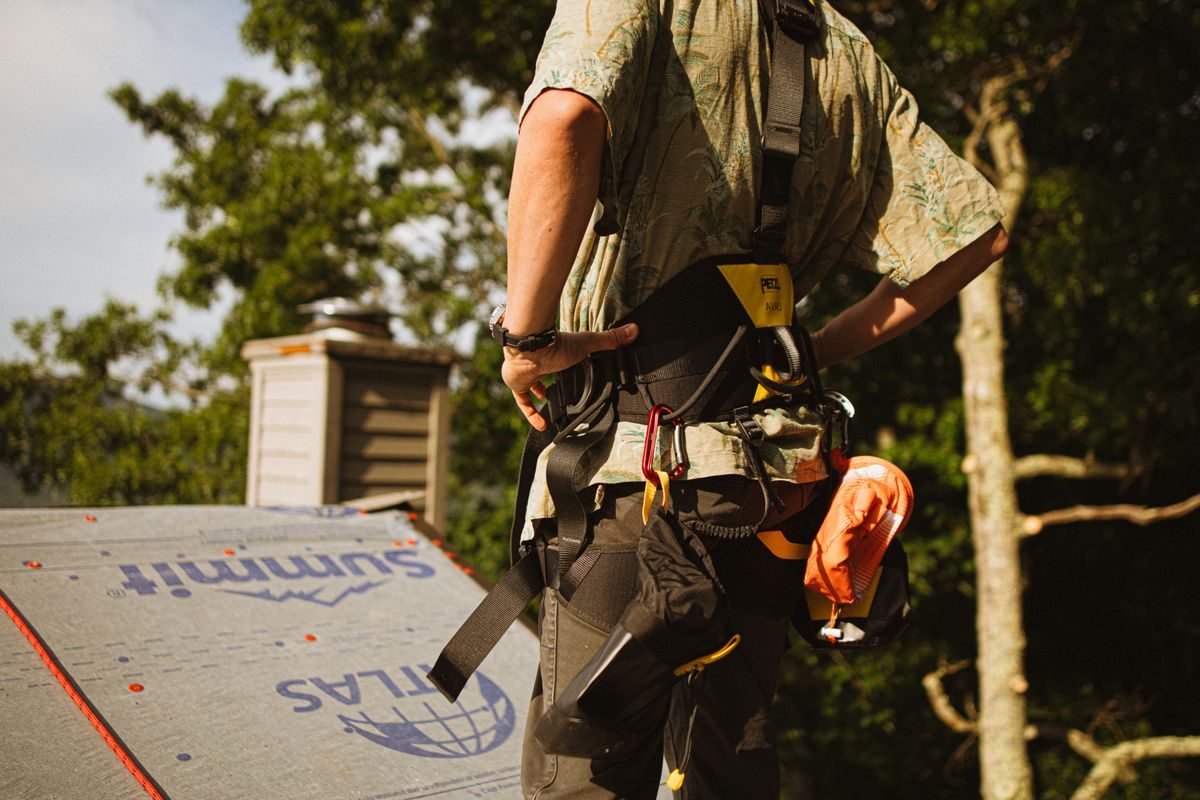
Don't get on the roof. Falls from height remain the biggest killer in UK construction, with the Health and Safety Executive recording around 50 fall-from-height deaths a year, and a wet pitched roof in the dark is about the worst version of that risk a homeowner can take. Ladder-and-torch heroics at midnight fix nothing that a tarpaulin at 8am can't.
Emergency Callout Costs in Winchester in 2026
Expect to pay a premium for speed. Typical Winchester figures:
Standard emergency callout, daytime, including first hour on site: £120 - £250.
Out-of-hours or weekend callout: £180 - £350.
Temporary tarpaulin or sheeting over a damaged section: £150 - £400 depending on roof access and area covered.
Emergency tile or slate replacement, small area: £200 - £450.
Emergency work needing scaffold or a tower: add £300 - £800.
Winchester prices sit 10-15% above the Hampshire average - the same premium you see on most trades in the city - partly because of higher operating costs and partly because access on the tight streets of the historic centre is genuinely harder. Parking a van and setting a tower on a terrace off Chesil Street is not the same job as a driveway in Badger Farm.
One thing worth knowing: a good emergency response is usually a two-visit job. Visit one makes the roof watertight. Visit two, in daylight and decent weather, does the permanent repair. Be suspicious of anyone who claims to have permanently fixed a roof in the dark during a storm.
The Make-Safe First Approach
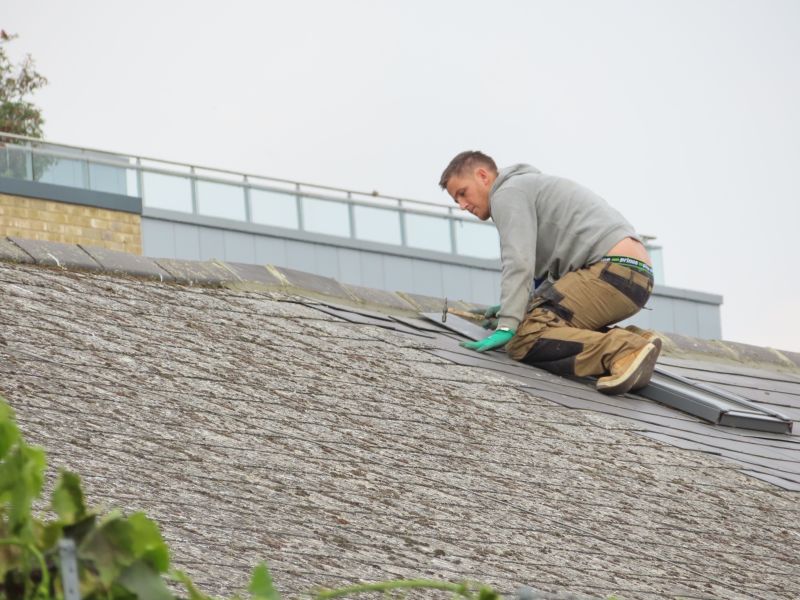
The point of an emergency visit is to stop water, not to rebuild the roof. A tarpaulin battened over the damaged area, a temporary flashing patch, or a few tiles re-seated and clipped will hold for weeks if done properly - long enough to get a proper quote, wait for materials, or let an insurance claim process.
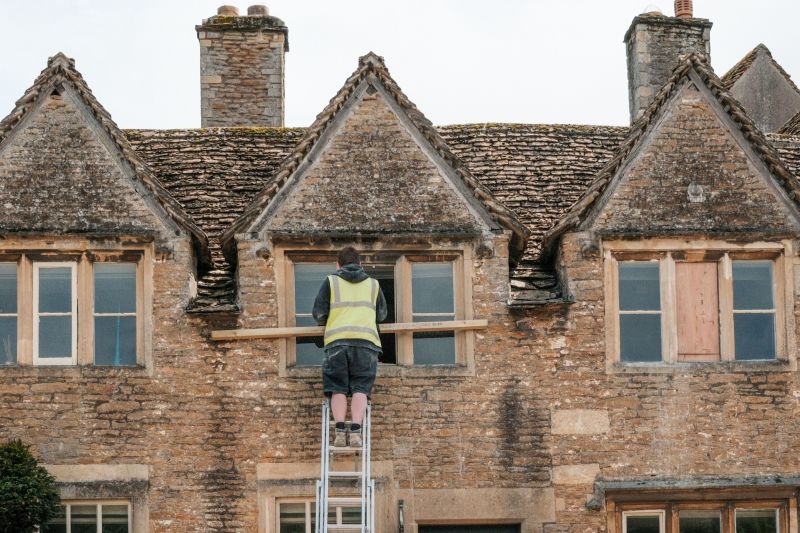
This matters in Winchester more than most places because of the conservation angle. Large parts of the city centre sit within conservation areas, and Winchester has well over 1,000 listed buildings. On a listed property, even a repair can need listed building consent if it alters the character of the roof - swapping slate for concrete tile, for example. The government's guidance on when listed building consent is required is clear that emergency temporary protection is fine, but the permanent repair should match the original materials. A make-safe-first approach buys the time to do that properly rather than bodging in whatever's on the van.
We've covered what Winchester's weather actually does to roofs in our guide to storm damage on Winchester roofs, which is worth a read once the immediate panic is over - it explains why the damage happened and what stops it happening again.
Insurance: What's Covered and What Isn't
Most buildings insurance covers storm damage - but "storm" has a definition. Insurers generally apply thresholds around 47-55mph winds, and they check Met Office data for your postcode on the date you claim. Damage from a genuine storm event is usually covered, including the emergency make-safe cost and the internal damage.
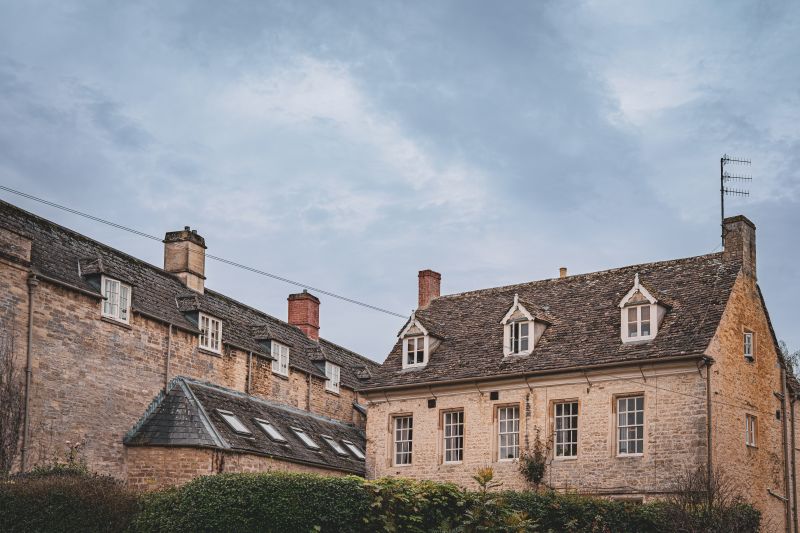
What's routinely rejected is wear and tear. If the loss adjuster finds the ridge mortar was already crumbling or the felt had perished years ago, the claim can fail even if the final straw was a windy night. Roughly a quarter of UK storm damage claims are declined, and poor maintenance is the leading reason.
Practical tips: report the claim within 24-48 hours, keep every receipt including the emergency callout, and don't authorise permanent repairs until the insurer confirms - though you're both entitled and expected to arrange temporary protection immediately. The Association of British Insurers' guidance on storm claims sets out what insurers class as a storm and what evidence helps.
Avoiding Rogue Traders After a Storm
Storms bring out the door-knockers. The pattern is well documented: someone appears within a day or two of bad weather, points out damage you can't verify from the ground, quotes a cash price, and pressures you to decide on the spot. Trading Standards estimates rogue roofing traders cost UK homeowners tens of millions a year, and older homeowners in affluent areas - which describes a lot of Winchester - are the prime target.
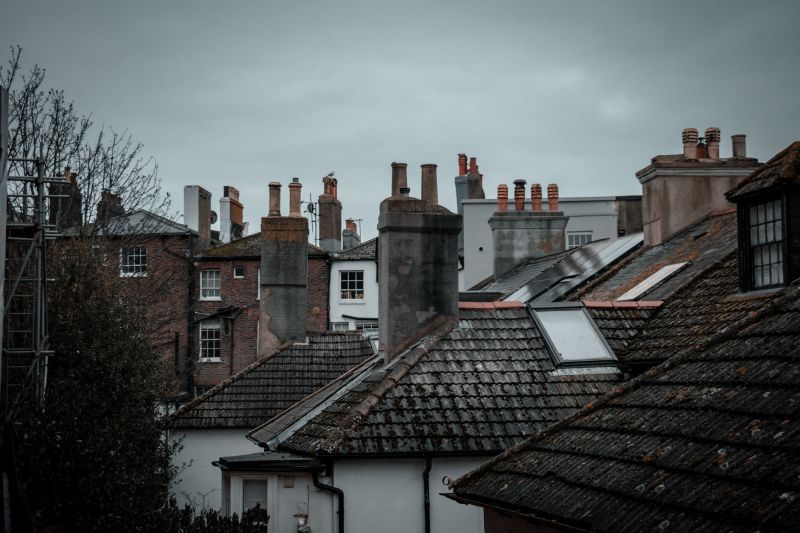
The defences are simple. Never agree to work sold at the door. Get the trader's full business address, not just a mobile number. Check them on the TrustMark register of government-endorsed tradespeople or the National Federation of Roofing Contractors' member directory- a legitimate local roofer will be findable, reviewed, and in no rush. And be sceptical of anyone who "just happened to be working on a roof nearby" and spotted your problem from the road. Real roofers in Hampshire have full diaries after a storm; they aren't cold-calling.
Getting a Fair Price Under Pressure
Even in an emergency you can sanity-check a price. Ask what the callout covers, what happens after the first hour, and whether the make-safe cost comes off the final repair bill if you use the same firm - many local roofers do this. A two-minute phone call to a second firm for a ballpark figure is worth doing even at 9pm.
Preventing the Next Emergency
Almost every roof emergency was a cheap repair six months earlier. A £150 re-bed of a loose ridge tile prevents the £900 emergency when it comes off in a gale. Industry guidance suggests a roof check every couple of years and after any named storm - from the ground with binoculars is fine for spotting slipped tiles, lifted flashing, and sagging gutters.
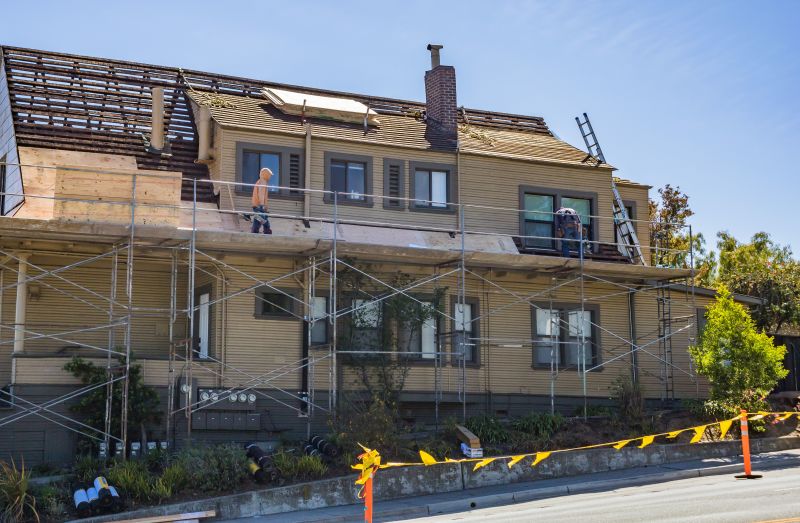
Winchester's older roofs reward this more than most. Clay tiles and Welsh slate on the city's period homes can last a century, but the fixings, battens, and mortar beneath them don't - and it's always the fixings that create emergencies. An autumn check, gutters cleared before the October rain arrives, and small repairs done in summer when roofers have capacity and prices are keener will keep you off the emergency callout list entirely.
---
FAQ
Q: How quickly can I get an emergency roofer in Winchester?
A: For genuine emergencies - active water ingress or dangerous debris - most Winchester roofers offer same-day response, typically within 2-4 hours during business hours. Out-of-hours response is usually a make-safe visit (tarpaulin or temporary patch) with the permanent repair booked for daylight. After a major storm, expect longer waits as demand spikes across Hampshire.
Q: What does an emergency roof repair cost in Winchester?
A: A daytime emergency callout costs £120-£250 including the first hour. Out-of-hours or weekend callouts run £180-£350. Temporary tarpaulin protection costs £150-£400, and emergency tile replacement £200-£450. Winchester prices sit around 10-15% above the Hampshire average.
Q: Will my insurance cover an emergency roof repair?
A: Usually yes for storm damage - insurers typically apply a wind threshold of around 47-55mph and check Met Office data for your postcode. Emergency make-safe costs and internal damage are normally covered. Claims are commonly rejected where the underlying cause is wear and tear, so keep photos, receipts, and report the claim within 24-48 hours.
Q: Should I go on the roof myself to stop a leak?
A: No. Falls from height are the leading cause of death in UK construction, and a wet pitched roof at night is exceptionally dangerous. Contain the water inside, turn off electrics near the leak, pierce a bulging ceiling over a bucket, and leave the roof itself to a professional with proper access equipment.
Q: Do I need listed building consent for an emergency repair in Winchester?
A: Emergency temporary protection - tarpaulins, temporary patches - doesn't need consent. But Winchester has over 1,000 listed buildings, and permanent repairs to a listed roof may need listed building consent if they alter its character, such as changing the roofing material. Like-for-like repairs in matching materials are usually fine, but check with Winchester City Council's conservation team before permanent work.
---
Ready to work with Roof Repairs Winchester?
Let's connect! We’re here to help.
Send us a message and we’ll be in touch.
Or give us a call today at 01962 462074
Agency Contact Form
More Marketing Tips, Tricks & Tools