How Winchester's Wet and Windy Winters Are Shortening the Life of Local Roofs
Winchester averages around 750mm of rainfall a year, with October through March delivering the longest and most persistent wet spells — roughly 130 wet days where your roof is fighting near-constant moisture. Local roofing contractors report winter callouts for leaks and storm damage running 35–40% higher than summer months. Add the south-westerly gales that funnel through the Itchen valley, and you've got conditions that age roofs faster than most homeowners expect. Here's what's actually going on, and what you can do before a small problem turns into a large bill.
Why Winchester's Mild Winters Are More Damaging Than They Look
This is the part that surprises most people. Hampshire is one of the milder parts of the UK, and homeowners often assume mild means easy on the roof. It doesn't. What Winchester winters lack in hard freezes, they more than make up for in sustained damp. Low-pressure systems roll in off the Atlantic and park over the region for days, delivering long grey spells of drizzle, rain and wind rather than quick sharp storms.
Winchester gets 10 to 15 ground frost days per winter — below the UK average of around 20 — but each one does real work. When moisture has been sitting in hairline cracks for days already, even a light frost is enough to freeze it, expand it, and widen the gap a fraction more. Repeat that 10 to 15 times and you've got a crack that started as nothing turning into a genuine leak.
Winchester is also built across a chalk valley. Properties on the surrounding hills get little natural shelter from prevailing south-westerly winds, and can see wind speeds 15–20% higher than those on the valley floor. That wind loading wears out mortar pointing on ridge and hip sections faster than most homeowners realise — and it's one of the repair types that tends to catch people off guard because it's not visible from the ground until it's already failing.
What the Damp Actually Does Up There
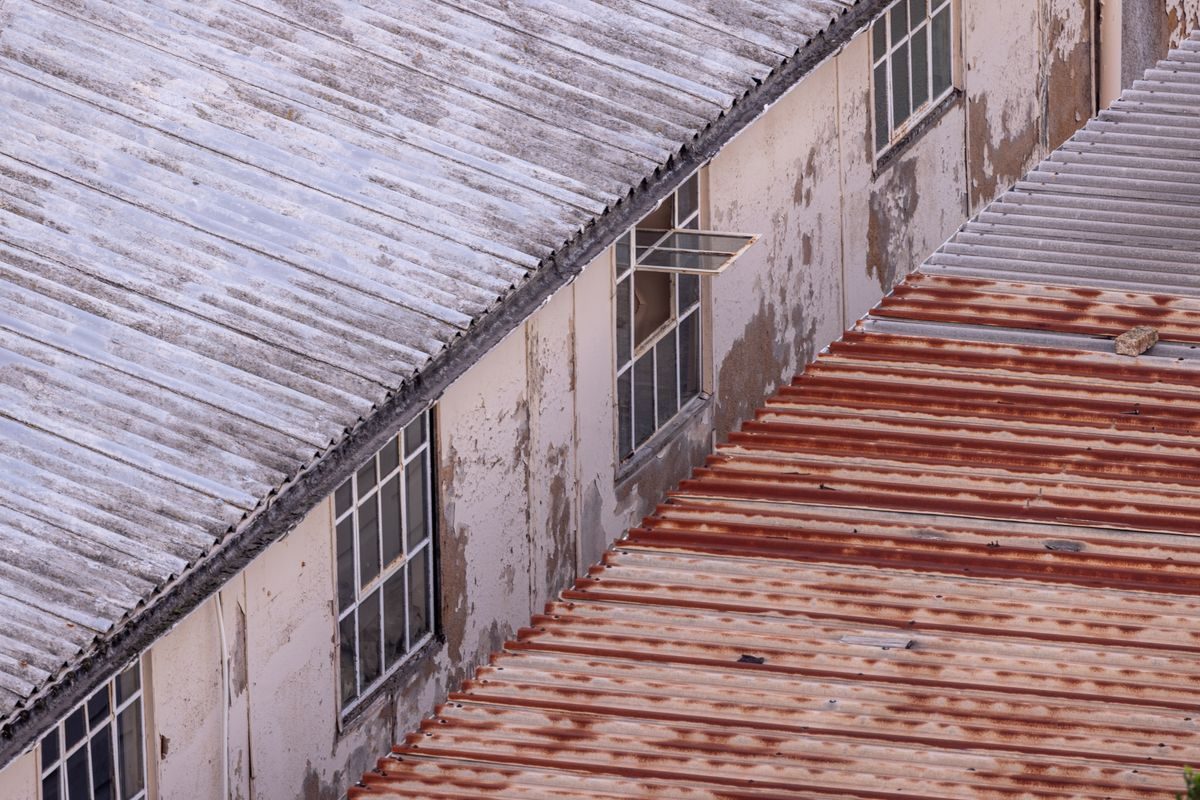
Water doesn't announce itself. It finds a slightly lifted tile, a hairline crack in the flashing around a chimney, a gap where the mortar has eroded — and works inward. South West roofing surveys suggest tiles exposed to prolonged wet conditions degrade up to 25% faster than in drier climates. Around 1 in 4 winter repair callouts in Hampshire trace back to accumulated damp rather than a single storm.
Flat and low-pitch roofs take the worst of it. They're common on extensions and outbuildings across Winchester's older housing stock, and standing water during a wet spell is usually the trigger. Roughly 30–35% of the winter jobs we see locally involve flat roof drainage failures — water sitting for 48 hours or more with nowhere to go.
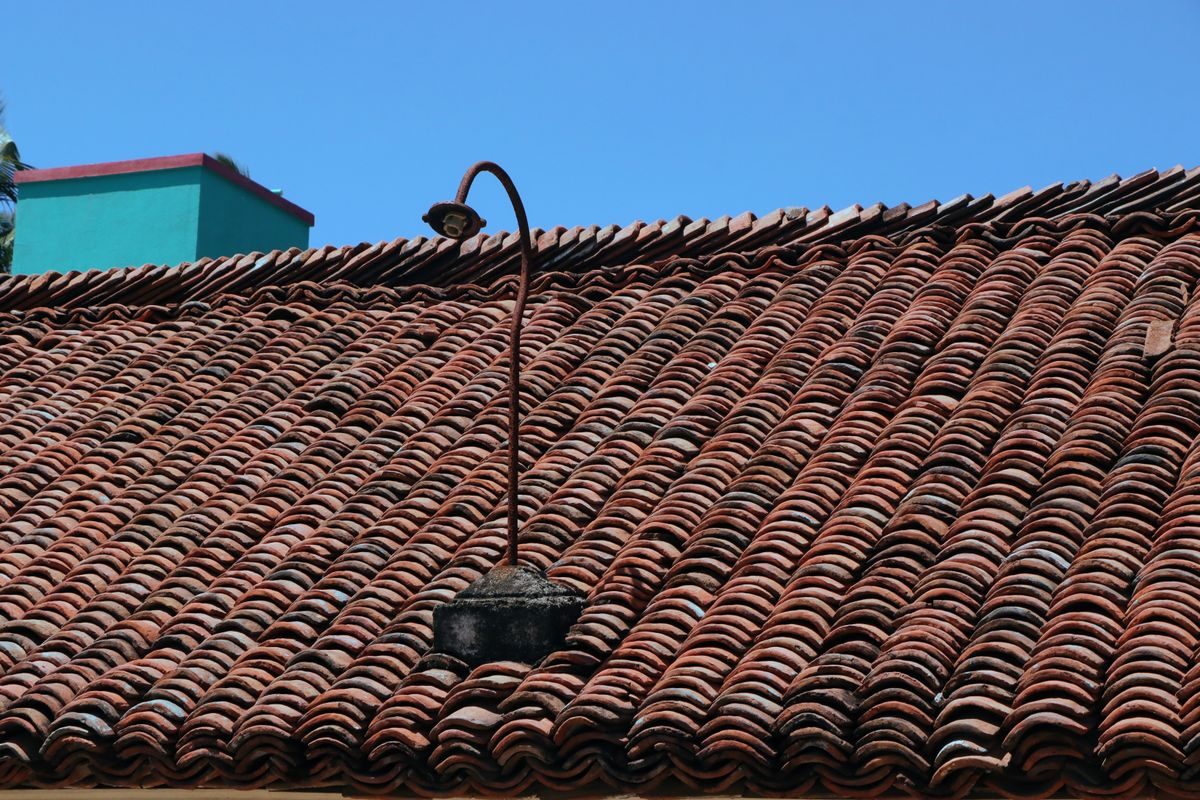
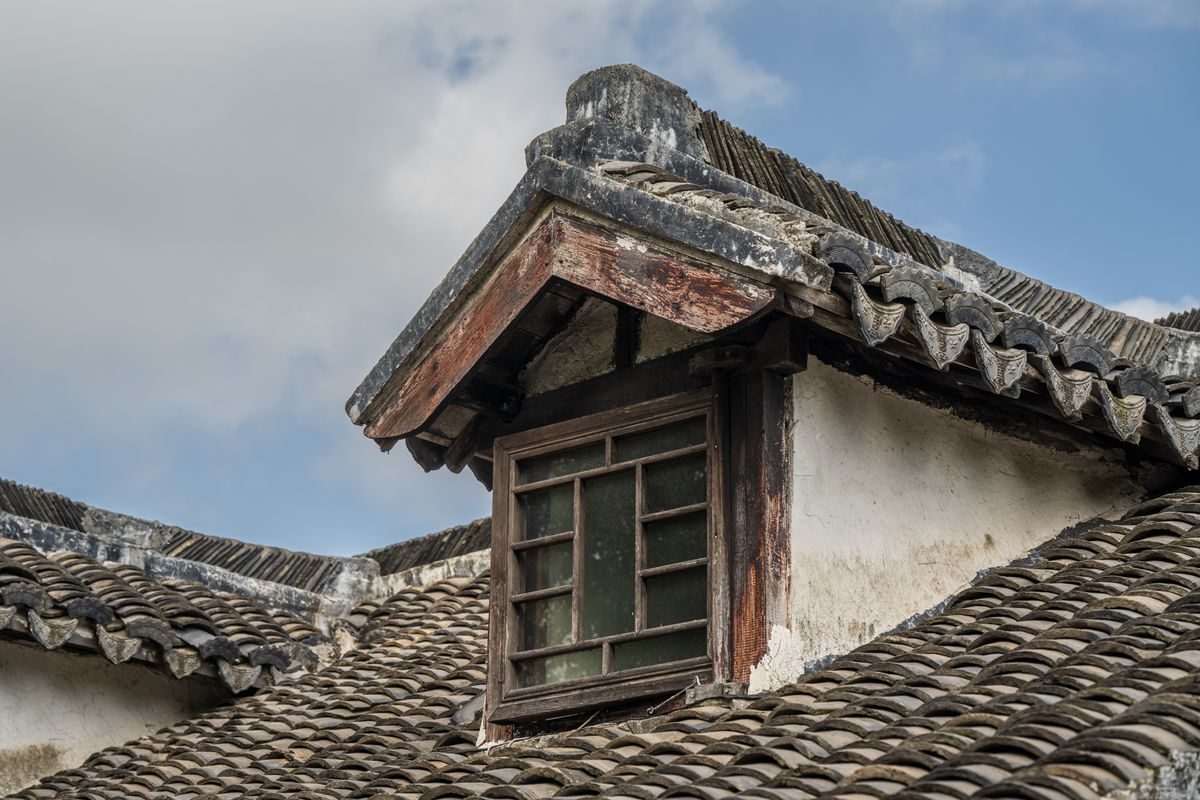
Winchester also has a high concentration of pre-1940s housing: terraced cottages, Victorian semis, period properties throughout the city centre. Handmade clay tiles, original lead flashing, lime mortar pointing — all more porous than modern materials, all more vulnerable to freeze-thaw cycles. If your property is older and hasn't been inspected in the last couple of years, a Winchester winter is probably testing it harder than you think.
Why You Need to Book a Roofer Earlier Than You'd Expect
Trade availability is something most guides don't mention until it's too late. Hampshire has seen growing demand for qualified roofers against an ageing workforce, and industry estimates put the South East around 10–15% short of what's needed to meet peak seasonal demand. Winchester, as a smaller city, feels that shortage sharply when the autumn rush starts.
Once October arrives and the wet season properly sets in, waiting times for non-emergency repair slots climb fast. A 2–3 day wait in September can easily be 10–14 days by November. Book a pre-winter inspection in early autumn and you get faster service, lower costs, and time to fix issues before they're emergencies.
Things Worth Checking Before October
You don't need to get on the roof. Clear your gutters and downpipes — blocked guttering accounts for an estimated 20–25% of winter leak callouts, as water backs up behind fascias and into the roof structure. From the ground, look for tiles or slates that appear slipped, cracked or missing. From inside the loft, check for daylight, damp patches on the felt, or staining around the rafters.
A pre-winter inspection takes 30–45 minutes and costs a fraction of what a reactive mid-winter repair runs to. Roofs that go into the wet season with small unresolved issues are three times more likely to need a full section repair or replacement by spring.
A Note on Planning Rules in Winchester
Winchester has a lot of protected housing stock — conservation areas in and around the city centre, the Cathedral Close, and the surrounding villages. If your repair goes beyond like-for-like replacement of existing materials, check with Winchester City Council first. Changing the tile type, altering the roofline, or any work on a listed building may need planning permission or listed building consent. Most straightforward repairs won't. But in a city with this much historic housing, five minutes of checking is worth it.
Winchester's winters don't look threatening on paper. That's the problem — by the time the damage shows up inside, it's usually been building for a season or two.
FAQ
Q: How often should I get my roof inspected in Winchester? A: At least once a year, and ideally twice — once in early autumn before the wet season and once in spring to check for any damage picked up over winter. Winchester's combination of sustained damp and freeze-thaw cycles means small issues can develop quickly.
Q: Do older properties in Winchester need more roof maintenance? A: Yes. Pre-1940s properties with original clay tiles, lime mortar, or lead flashing are more porous and more vulnerable to Winchester's wet winters than modern materials. If your property hasn't been inspected recently, it's worth prioritising.
Q: Do I need planning permission for roof repairs in Winchester? A: Most like-for-like repairs don't need permission, but Winchester has a large number of conservation areas and listed buildings. Any change to roofing materials, roofline alterations, or work on a listed property should be checked with Winchester City Council before starting.
Q: When is the best time to book a roofer in Winchester? A: Early autumn — September at the latest. Once the wet season starts in October, waiting times for non-emergency slots can stretch to two weeks or more due to seasonal demand and a local shortage of qualified roofers.
Ready to work with Roof Repairs Winchester?
Let's connect! We’re here to help.
Send us a message and we’ll be in touch.
Or give us a call today at 01962 462074
Agency Contact Form
More Marketing Tips, Tricks & Tools