Dry Verge and Dry Ridge Systems in Winchester: Costs and Benefits
If you've ever spotted crumbling bits of mortar in your garden after a windy night in Winchester, you've seen the weak point of a traditional roof. For decades, the tiles along the edges and ridge of a roof were bedded in sand-and-cement mortar, and that mortar has a habit of cracking and letting go - often within 10 to 15 years in an exposed spot. Dry verge and dry ridge systems swap that mortar for mechanically fixed plastic or metal components that clip, screw, and bracket the tiles in place, with no wet cement at all. Around 70% of new and re-roofed homes now use dry-fix at the ridge, partly because British Standard 5534 has effectively made mortar-only fixing a thing of the past. In a city like Winchester, with its mix of exposed hilltop streets, period slate roofs, and strict conservation rules, knowing when dry-fix helps and when it doesn't is worth a few minutes. Here's the full picture on cost, lifespan, and the local detail that matters.
What Dry Verge and Dry Ridge Actually Are
Let's clear up the terms first, because they get muddled. The verge is the sloping edge of the roof where the tiles overhang the gable wall - the bit you see from the side of the house. The ridge is the horizontal line along the very top where the two roof slopes meet. Both were traditionally sealed with mortar, and both are now commonly done "dry".
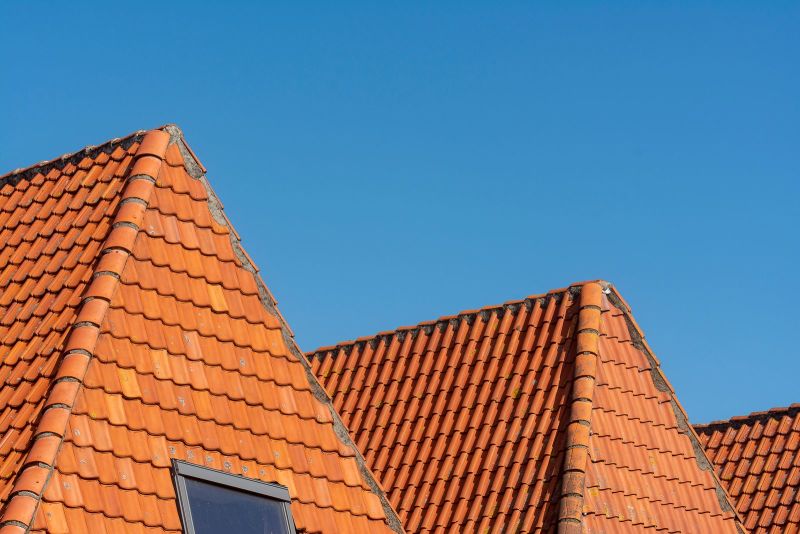
A dry verge system uses interlocking plastic or aluminium caps that clip over each tile along the gable edge and screw down into the roof battens. A dry ridge system uses a roll of breathable membrane, plastic ridge battens, and screwed ridge clamps to hold each ridge tile down mechanically while still letting the roof breathe. Nothing relies on cement to stay put.
If you're not sure which parts of your roof are mortar-bedded and which aren't, Roof Repairs Winchester can take a look and tell you straight what you're dealing with before you spend anything.
Why Mortar Fails - and Why the Standard Changed
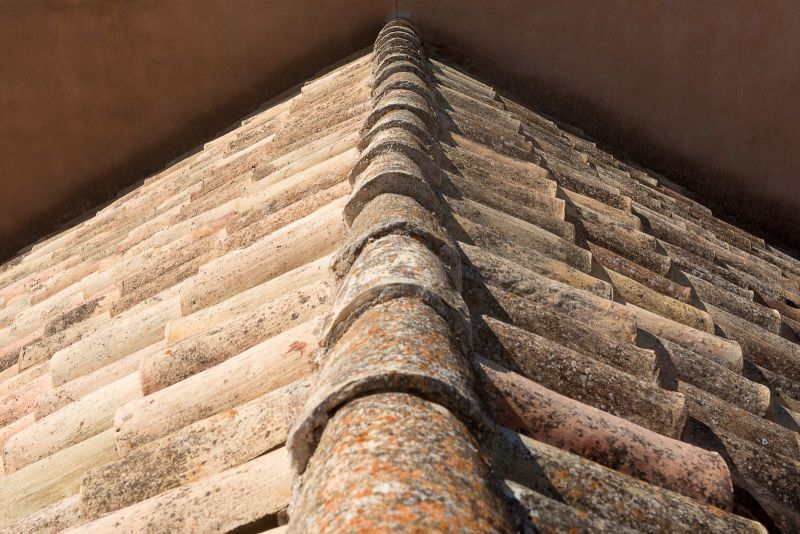
Mortar's problem is simple: it's rigid, and roofs move. Temperature swings, timber expanding and contracting, and the constant buffeting of wind all work the cement loose over time. On an exposed Winchester roof you might get 10 to 15 years before the pointing starts to crack; on a sheltered one maybe 20. Once it cracks, water gets behind it, frost expands, and chunks start dropping.
The bigger driver behind dry-fix, though, is the updated British Standard for slating and tiling, BS 5534. Since 2015 it has required ridge and verge tiles to be mechanically fixed rather than relying on mortar alone - so even where mortar is still used, it has to be backed up with clips or screws. The National Federation of Roofing Contractors' guidance on roofing standards reflects this shift, and most reputable roofers now fit dry-fix as standard on any re-roof.
There's a wind angle too. Winchester sits on rolling Hampshire chalk downland, and higher, more exposed streets around the city catch gusts that flat inland areas don't. Mechanical fixing holds up to roughly 100+ mph gusts far better than mortar, which matters when a single lost ridge tile can cost hundreds to make safe.
Dry-Fix vs Mortar: The Cost Comparison
Here's where people want real numbers. These are realistic 2026 Winchester figures for supply and fit:
Dry ridge system, per linear metre: £25 - £45.
Dry verge system, per linear metre: £18 - £30.
Traditional mortar re-bedding of a ridge, per linear metre: £15 - £30.
On paper, mortar can look cheaper per metre. The catch is lifespan. Re-bedded mortar typically needs redoing every 10 to 20 years, while a quality dry-fix system carries a manufacturer guarantee of 10 to 15 years and often lasts 30 or more with no maintenance. Over the life of a roof you'll usually pay for mortar two or three times over.
For a typical Winchester semi with around 10 metres of ridge, expect roughly £300 to £600 to convert the ridge to dry-fix, or £400 to £900 for a fuller job covering both verges and the ridge. Doing it as part of a re-roof rather than as a standalone visit knocks the price down, because the scaffold and access are already paid for.
The Benefits Beyond Just Lasting Longer
Longevity is the headline, but it isn't the only reason people switch. A dry ridge system includes a run of breathable ridge membrane, which improves ventilation at the top of the roof - useful for reducing condensation in a loft, a common gripe in older Winchester houses with newer insulation packed into the roof space.
There's a maintenance saving too. No mortar means nothing to crack, wash out, or drop into the garden, so you're not paying a roofer to re-point every decade or so. For landlords and busy households, "fit and forget" has real value.
Dry-fix also tends to look cleaner and more uniform along the edge, with a consistent colour-matched cap rather than a hand-troweled mortar line that ages unevenly. On a modern estate roof that's a plus. On a period property, as we'll see, it can be the opposite.
Where Dry-Fix Doesn't Suit Winchester - Conservation and Listed Buildings
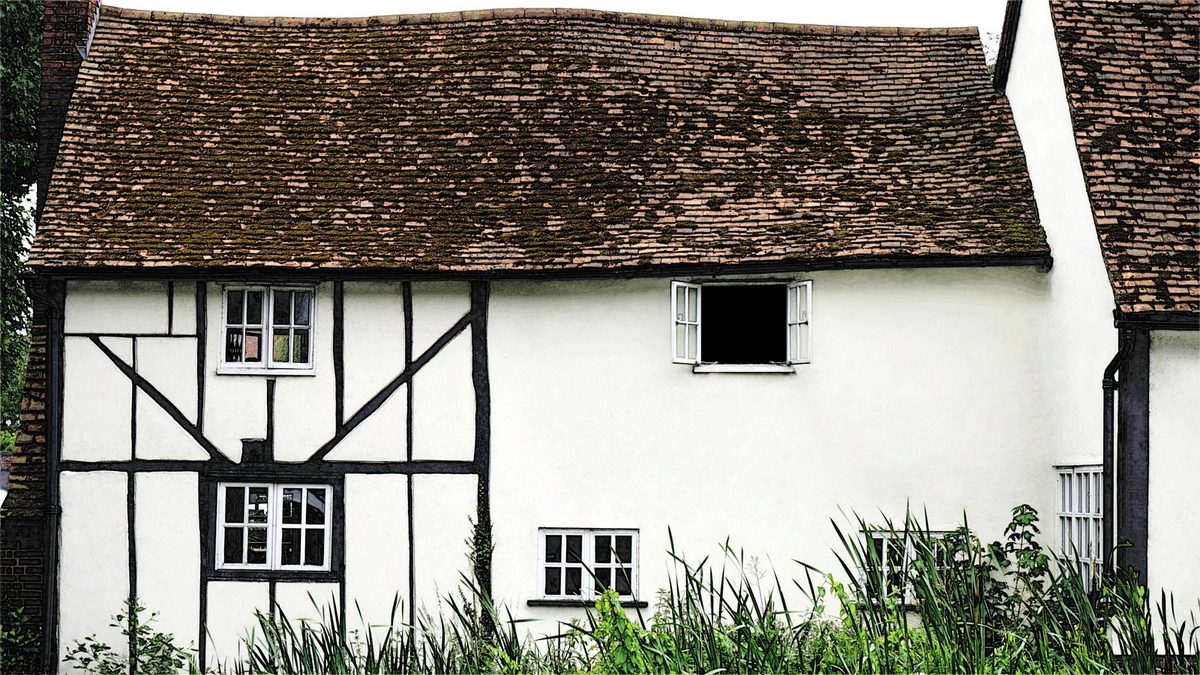
This is the Winchester-specific catch, and it's a big one. The district has more than 1,000 listed buildings and around 40% of the city sits within a conservation area. On these properties, a bright plastic dry verge or a modern ridge cap can look badly out of place against period natural slate or hand-made clay tiles - and that can cause you problems.
If your home is listed, altering the roof detailing usually needs listed building consent, and a conservation officer may insist on traditional mortar or a discreet, colour-matched metal dry-fix rather than standard plastic. The government's guidance on listed buildings and consent explains what changes need permission. Even in a conservation area without a listing, permitted development rights can be tighter, so it's worth a quick, free check with Winchester City Council before committing to a plastic system on a prominent gable.
The practical answer is often a compromise: dry ridge for the performance and ventilation, but a low-profile aluminium or lead-look verge, or retained mortar with concealed mechanical clips, so the roof still reads as period-appropriate from the street. A good local roofer who works on Winchester's older stock will know which product a conservation officer will wave through. We've covered related edge-of-roof issues in our guide to slipped and loose roof tiles in Winchester, which is worth a read if your ridge or verge tiles have already started moving.
Choosing the Right Installer in Winchester
Dry-fix is only as good as the fit. A verge cap screwed into a rotten batten or a ridge clamp torqued badly will fail early, so the roofer matters as much as the product. Hampshire has a reasonable supply of roofing firms, but quality varies, and edge-of-roof detailing is exactly where corners get cut on a cheap job.
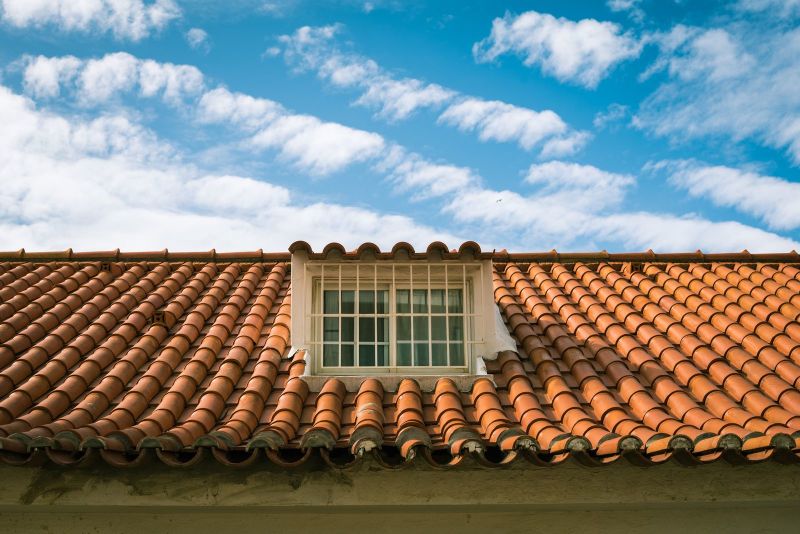
Ask to see the specific system they'll use and its guarantee - reputable brands offer 10 to 15 years, and the installer should register it. Check the firm carries proper insurance and ideally sits with a recognised scheme; the TrustMark register of government-endorsed tradespeople is a simple way to confirm a business has been vetted. And ask for recent Winchester examples, especially if yours is a period roof where the aesthetics are as important as the fixing.
Get the verge and ridge specified properly at quote stage rather than leaving it as an afterthought. It's a small part of the roof that causes an outsized share of leaks and blown-off tiles when it's done badly.
---
FAQ
Q: Is dry ridge better than mortar in Winchester?
A: For most Winchester roofs, yes. Dry ridge is mechanically fixed so it copes far better with the wind on exposed Hampshire downland streets, needs no maintenance, and carries a 10 to 15 year guarantee that often lasts 30 years plus. Mortar is cheaper up front at £15-£30 per metre but typically needs re-bedding every 10 to 20 years. The main exception is listed or conservation-area properties where a conservation officer may prefer traditional or low-profile detailing.
Q: How much does dry verge and dry ridge cost in Winchester?
A: Expect £25-£45 per linear metre for a dry ridge system and £18-£30 per metre for dry verge, supplied and fitted. For a typical semi with around 10 metres of ridge, that's roughly £300-£600 for the ridge or £400-£900 to do both verges and the ridge. Doing it during a re-roof is cheaper because the scaffold is already up.
Q: How long does a dry-fix roofing system last?
A: A quality dry verge or dry ridge system carries a manufacturer guarantee of 10 to 15 years and frequently lasts 30 years or more with no maintenance, because there's no mortar to crack or wash out. That compares with 10 to 20 years for re-bedded mortar before it needs redoing.
Q: Can I fit dry verge on a listed building in Winchester?
A: Sometimes, but not always with a standard plastic system. Winchester has over 1,000 listed buildings and extensive conservation areas, and altering roof detailing on a listed property usually needs listed building consent. A conservation officer may require traditional mortar or a discreet colour-matched metal system rather than bright plastic. Check with Winchester City Council before ordering.
---
Ready to work with Roof Repairs Winchester?
Let's connect! We’re here to help.
Send us a message and we’ll be in touch.
Or give us a call today at 01962 462074
Agency Contact Form
More Marketing Tips, Tricks & Tools