Roofing Options for Winchester Period Homes: Thatch, Clay Tile, and Slate Costs Compared
If you own a period home in or around Winchester, the roof over your head is probably one of three things: thatch, handmade clay tile, or natural slate. Each has a completely different cost profile, and the gap is wider than most homeowners expect. A full re-thatch on a Hampshire cottage typically costs £25,000 to £60,000 and lasts 20 to 40 years, while a clay tile roof costs £12,000 to £25,000 and can run past 80 years. England has roughly 60,000 thatched buildings, the majority of them listed, and Hampshire holds a good share of them across the Test, Itchen and Meon valleys within a short drive of the city. The catch is that on a listed building you usually can't simply pick the cheapest option, because the material is often part of what's protected. Here's what each roof actually costs to own.
What's Actually on Period Roofs Around Winchester
Winchester itself is dominated by clay tile and slate. The city's Georgian and Victorian terraces mostly carry Welsh slate laid from the 1840s onwards once the railways made it affordable, while the older timber-framed and brick-and-flint stock tends to wear handmade clay peg or plain tiles. Roughly 3 in 4 pre-1900 roofs in the city centre fall into one of those two camps.
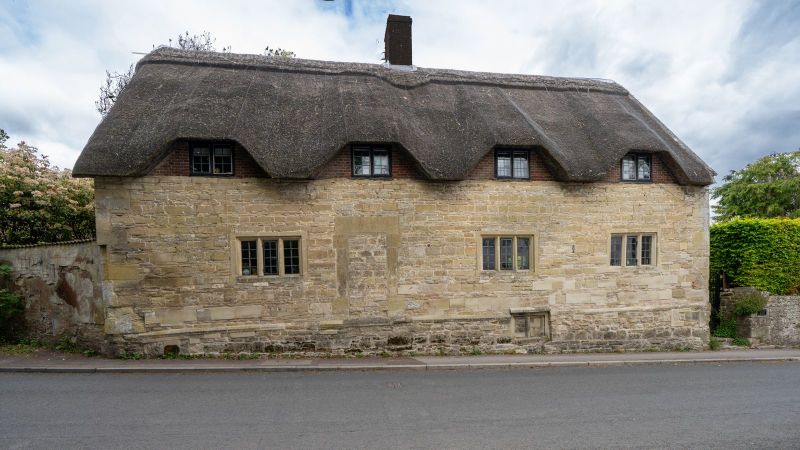
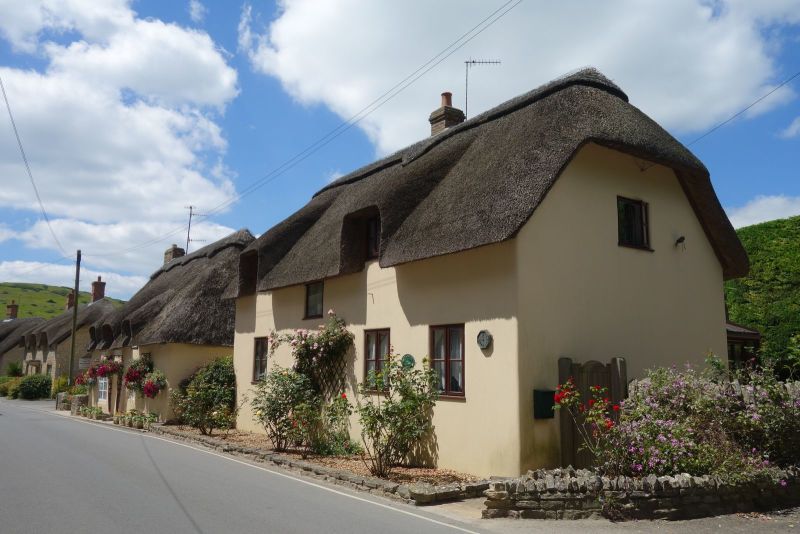
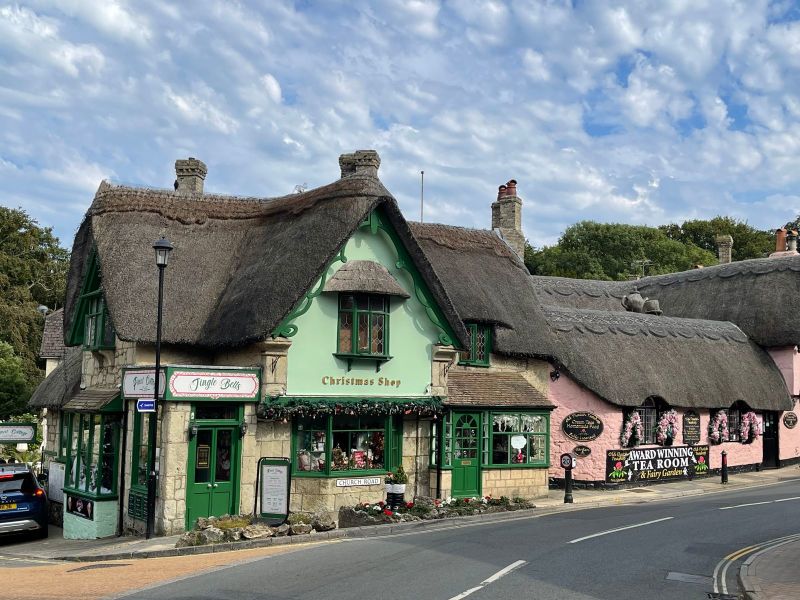
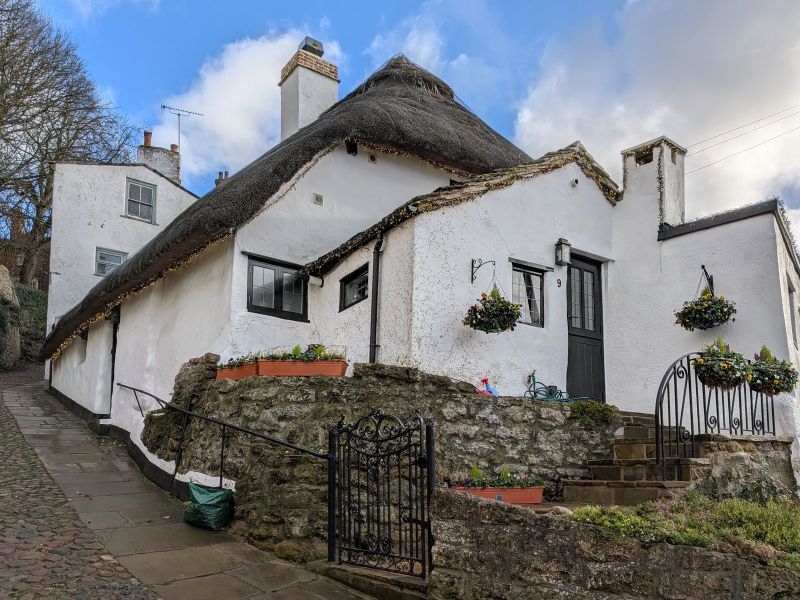
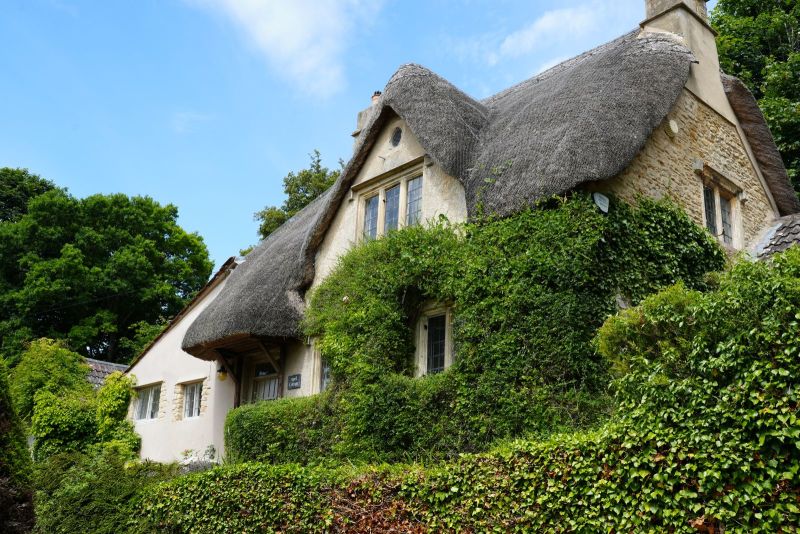
Thatch is a village story rather than a city one. Head 5 to 15 miles out into the surrounding Hampshire countryside and thatched cottages appear in numbers, mostly long straw and combed wheat reed traditions with water reed increasingly used for replacements. Hampshire is estimated to have well over 2,000 thatched properties, and the great majority are listed, which shapes every decision an owner makes about them.
Knowing which of the three you actually have, and what condition it's in, changes the numbers enormously. Roof Repairs Winchester can survey a period roof and tell you what's up there, how much life is left in it, and what your realistic options are before you start collecting quotes.
Thatch: What It Costs and How Long It Lasts
Thatch is priced by the "square", an old unit of 100 square feet, and a typical cottage roof runs to 30 to 60 squares. As a 2026 guide for Hampshire:
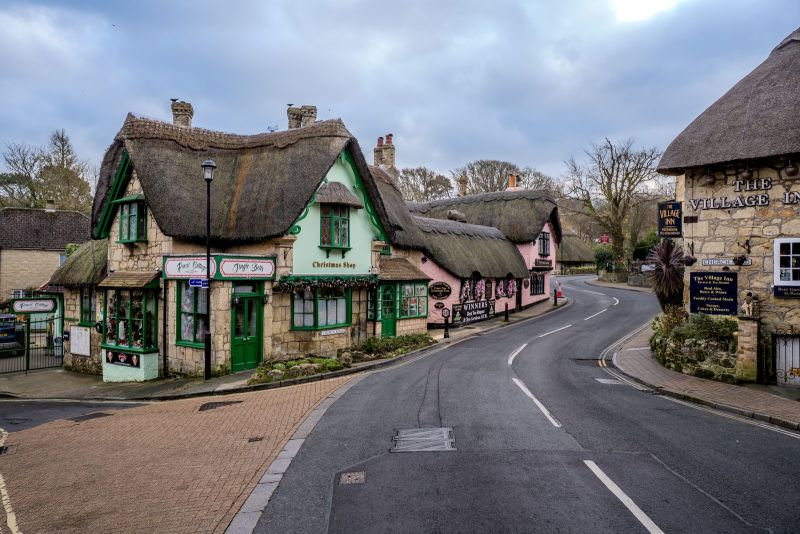
Full re-thatch, long straw: £22,000 - £42,000.
Full re-thatch, combed wheat reed: £26,000 - £50,000.
Full re-thatch, water reed: £30,000 - £65,000.
Ridge recap only: £1,500 - £4,500.
Patch repair or small area: £800 - £3,000.
Lifespans differ as much as the prices. Water reed generally gives 25 to 40 years, combed wheat reed 25 to 35, and long straw 15 to 25. Every thatched roof also needs its ridge recapped every 8 to 15 years regardless of the coat material, which is the running cost owners most often forget to budget for.
Why the Material Choice Isn't Always Yours
On a listed thatched building you're usually expected to re-thatch in the same material and in the same regional style, because the roof's construction is part of its historic significance. Swapping long straw for water reed because it lasts longer can require consent and is frequently refused. Historic England's guidance on the conservation of traditional thatch sets out the thinking, and it's worth reading before you commission anything, because getting it wrong on a listed cottage is expensive to undo.
There's also the base coat to consider. Many older Hampshire roofs have a base layer of straw that may be several hundred years old, sometimes smoke-blackened from an open hearth. That layer is often the most historically valuable part of the roof and should be retained rather than stripped.
The Hidden Running Costs of Thatch
The re-thatch price is only part of it. Insurance is the big one. A thatched property typically costs 2 to 4 times more to insure than an equivalent tiled house, with annual premiums commonly £700 to £2,000 against £250 to £450 for a standard home, and many mainstream insurers won't quote at all.
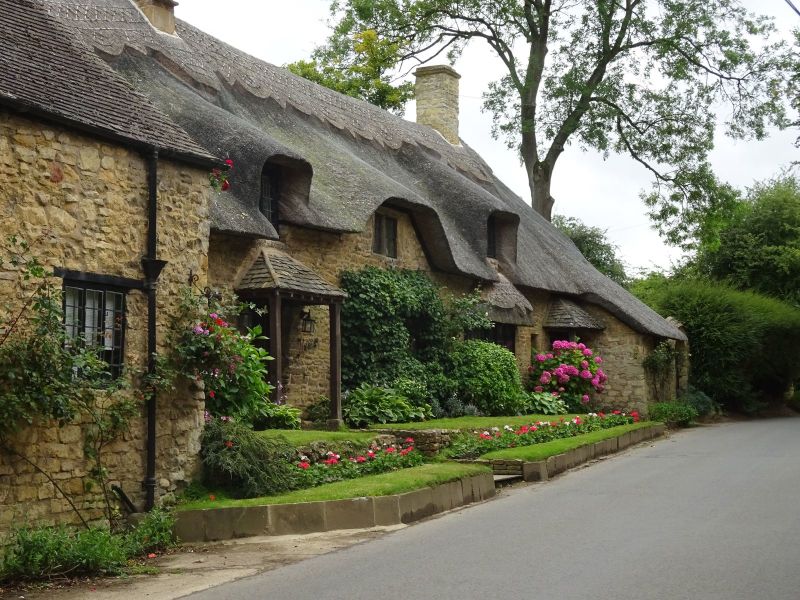
Fire risk drives that. There are somewhere in the region of 50 to 80 thatch fires a year in England, and a large share start at the chimney, where flue gases meet dry thatch. Insurers usually require the chimney to be lined, swept at least once or twice a year at £60 to £120 a visit, and often want a minimum height above the ridge. Wire netting over the coat to keep birds out adds a few hundred pounds and typically lasts around 20 to 25 years.
Then there's the trade itself. There are only around 800 to 1,000 working thatchers in the UK, which is a tiny pool compared with the tens of thousands of roofers. Hampshire is better served than most counties thanks to the concentration of thatch in the surrounding villages, but waiting lists of 6 to 18 months for a full re-thatch are entirely normal, and you can't rush it.
Clay Tile: The Winchester Default
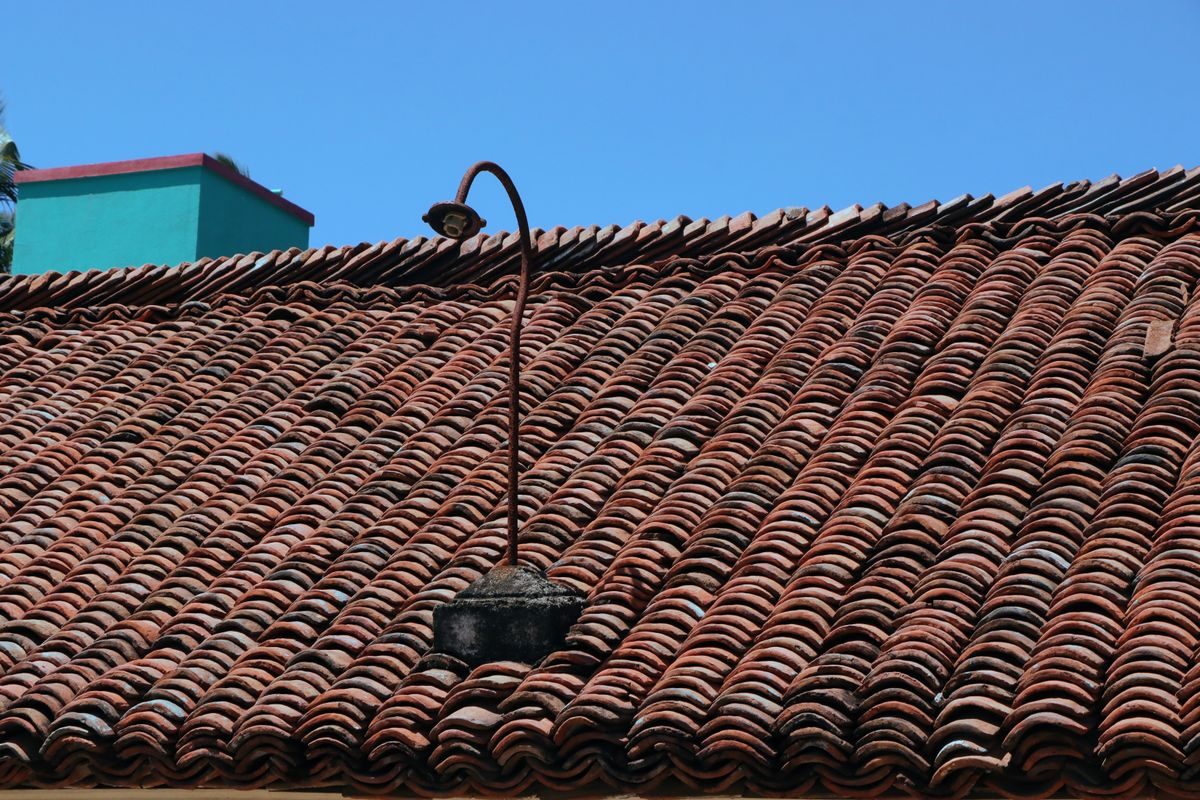
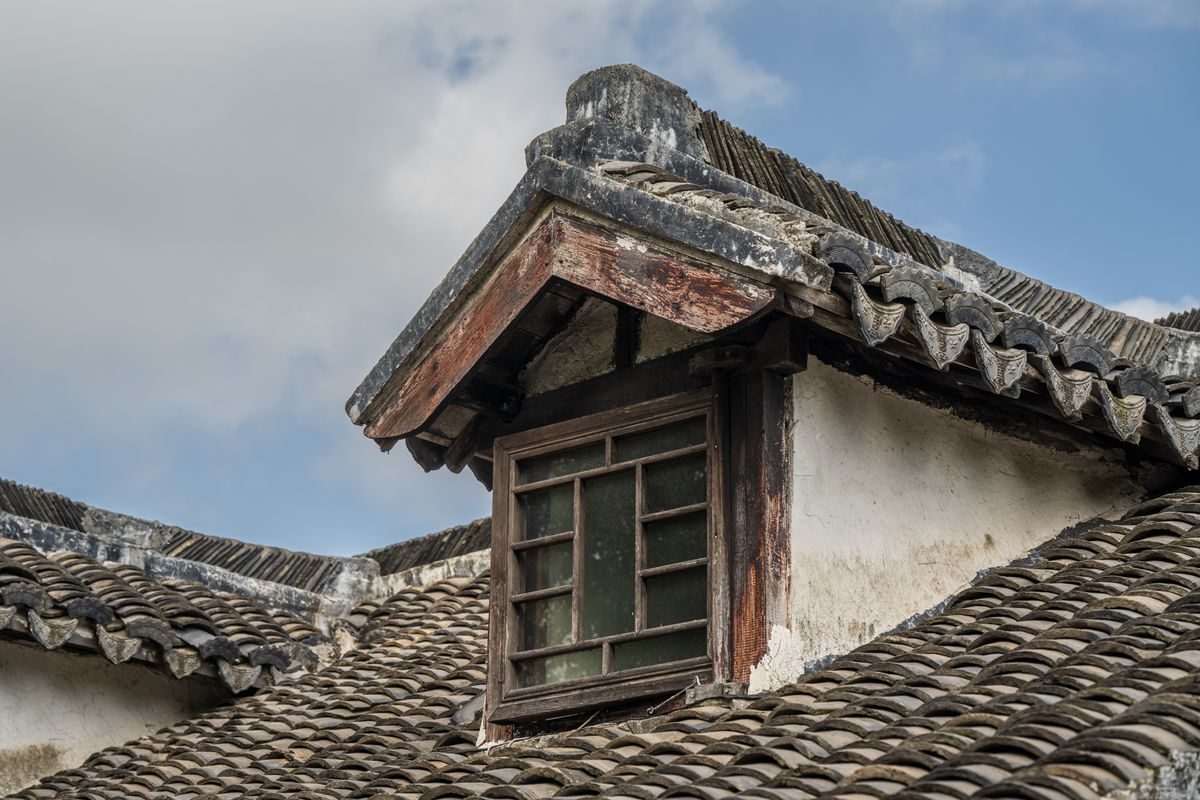
Handmade clay plain tiles and peg tiles are the traditional covering across much of Hampshire, and they suit the local brick-and-flint and timber-framed stock better than anything else. Expect £70 to £120 per square metre supplied and fitted for handmade clay, or £45 to £75 for good machine-made tiles, which puts a whole roof on an average period semi at roughly £12,000 to £25,000.
Lifespan is the strong point. A well-laid clay tile roof lasts 60 to 100 years or more, and the tiles themselves often outlast the battens and felt beneath them, so a "reroof" on a clay property is frequently a strip, re-batten and relay using 70 to 85% of the original tiles. That salvage rate is what makes clay so cost-effective over the long run, and it's why conservation officers like it.
Clay does need a bit of attention. Around 1 to 3% of tiles on an old roof will be cracked or delaminating at any given time, mortar bedding at ridges and verges wants renewing every 20 to 30 years at £600 to £1,500, and Winchester's 40 to 50 air frost nights a year will find any tile that has taken on water.
Natural Slate: Longest Life, Highest Upfront
Welsh slate is the premium option and the one you'll see on Winchester's Victorian terraces. Budget £90 to £150 per square metre supplied and fitted for genuine Welsh slate, or £55 to £90 for imported Spanish or Brazilian slate, giving a whole-roof figure of roughly £15,000 to £30,000.
In return you get 80 to 100 years and often considerably more, with almost nothing to do in between beyond replacing the odd slipped slate. Slate sheds water and resists moss better than clay, which matters in a damp river valley where roofs get around 750mm of rain a year and stay wet for months. The usual failure point isn't the slate at all but the nails, and "nail sickness" on a Victorian roof shows up as slates slipping steadily from around year 80.
We've compared these two materials in far more depth in our guide to clay tile versus natural slate roofs in Winchester, including weight, structural loading and which suits which type of local property.
The Real Comparison: Cost Over Fifty Years
Upfront price tells you very little. Spread across a 50 year period on a typical period property, the picture looks roughly like this:
Thatch: one and a half to two full re-thatches plus four to six ridge recaps, so around £45,000 to £110,000 in roof work, plus £15,000 to £50,000 in extra insurance premiums over the same period.
Clay tile: one strip and relay with tile salvage, plus a round of ridge re-bedding, so around £15,000 to £30,000.
Slate: likely no full replacement at all if it was laid well, just repairs and possibly one re-nailing exercise, so around £8,000 to £25,000.
That makes thatch comfortably the most expensive roof to own, often by a factor of three or four. Owners rarely choose it on economics though. They choose it because it's what the building is, and because on a listed cottage there's usually no alternative on the table.
Listed Buildings, Conservation Areas, and Changing Material
This is where period roofing decisions are really made in the Winchester area. If your home is listed, changing the roof covering from thatch to tile, or from slate to concrete, will almost certainly need listed building consent, and applications to remove historic thatch are routinely refused. Carrying out that work without consent is a criminal offence, not a fine-and-forget matter.

In a conservation area, and much of central Winchester and many surrounding villages are covered by one, the council can control roofing materials on the visible slopes even where the building itself isn't listed. Permitted development rights are often withdrawn under an Article 4 direction. The government's overview of planning permission and listed building consent in England and Wales is the right starting point, and a call to Winchester City Council's conservation team before you commission drawings will save you months.
Practically, expect an 8 week minimum for a decision and longer if the case officer asks for more information. Around 1 in 3 heritage roofing enquiries we handle in the area turns out to need some form of consent.
Finding the Right Trade in Hampshire
The three materials need genuinely different specialists, and using the wrong one is a costly mistake. A general roofer should not be touching thatch, and a thatcher isn't the person to relay a slate roof. For thatch, look for a member of a recognised master thatchers association with verifiable local work you can go and look at, and expect to wait.
For clay and slate, check the contractor has actually worked on handmade tiles or natural slate rather than concrete interlockings, and ask to see photographs of comparable period jobs. The National Federation of Roofing Contractors publishes sensible advice on how to choose a roofing contractor, and the government-endorsed TrustMark register of vetted tradespeople is a quick way to confirm a firm has been independently assessed.
Get at least three quotes. Prices for the same period roof in the Winchester area routinely vary by 30 to 50% depending on scaffold, salvage assumptions and how much heritage work the firm genuinely does. Check specifically what the quote assumes about reusing existing tiles, because a contractor budgeting for 80% salvage and one budgeting for 40% are not quoting the same job.
---
FAQ
Q: How much does it cost to re-thatch a cottage near Winchester?
A: As a 2026 Hampshire guide, a full re-thatch costs roughly £22,000 to £42,000 in long straw, £26,000 to £50,000 in combed wheat reed, and £30,000 to £65,000 in water reed, depending on roof size and complexity. A ridge recap on its own is £1,500 to £4,500 and is needed every 8 to 15 years. Waiting lists of 6 to 18 months are normal because there are only around 800 to 1,000 working thatchers in the UK.
Q: Is thatch more expensive than clay tile or slate over the long term?
A: Yes, usually by a wide margin. Over 50 years a thatched roof typically needs one and a half to two full re-thatches plus several ridge recaps, totalling around £45,000 to £110,000, before you add insurance premiums that run 2 to 4 times higher than a tiled house. Clay tile over the same period is around £15,000 to £30,000, and well-laid slate around £8,000 to £25,000.
Q: Can I replace a thatched roof with tiles on a Winchester area cottage?
A: On a listed building, almost certainly not. Changing the roof covering needs listed building consent, and applications to remove historic thatch are routinely refused because the material is part of what's protected. Doing it without consent is a criminal offence. In a conservation area the council can also control the covering on visible slopes even where the building isn't listed, so check with Winchester City Council before making any plans.
Q: How long do clay tile and slate roofs last in Winchester?
A: A well-laid handmade clay tile roof lasts 60 to 100 years or more, and when it is eventually stripped and relaid, 70 to 85% of the original tiles can usually be reused. Natural Welsh slate lasts 80 to 100 years and often longer, with the fixing nails rather than the slate failing first. Local conditions of about 750mm of rain a year and 40 to 50 air frost nights will expose any tile that has taken on water.
---
Ready to work with Roof Repairs Winchester?
Let's connect! We’re here to help.
Send us a message and we’ll be in touch.
Or give us a call today at 01962 462074
Agency Contact Form
More Marketing Tips, Tricks & Tools