Roof Repairs in Eastleigh: Common Problems, Costs, and Who to Call
Eastleigh isn't a chocolate-box heritage town, and its roofs tell a very different story to the Georgian frontages up the road. This is a railway town - the London and South Western Railway moved its carriage works here in 1891 and its locomotive works in 1909, and whole grids of workers' terraces went up fast to house the staff. Then the 20th century piled on top: 1930s semis, postwar council estates, and modern estates at Boyatt Wood, Fair Oak, and Chandler's Ford. So on any given street you might find handmade clay tiles, Welsh slate, and concrete interlocking tiles all within 200 metres. The town sits low near the River Itchen, catches around 750mm to 800mm of rain a year, and gets 30 to 40 air frost nights each winter - enough to work a weakness loose over time. Here's what typically goes wrong on an Eastleigh roof, and what putting it right actually costs in 2026.
The Roofs You Actually Find Across Eastleigh
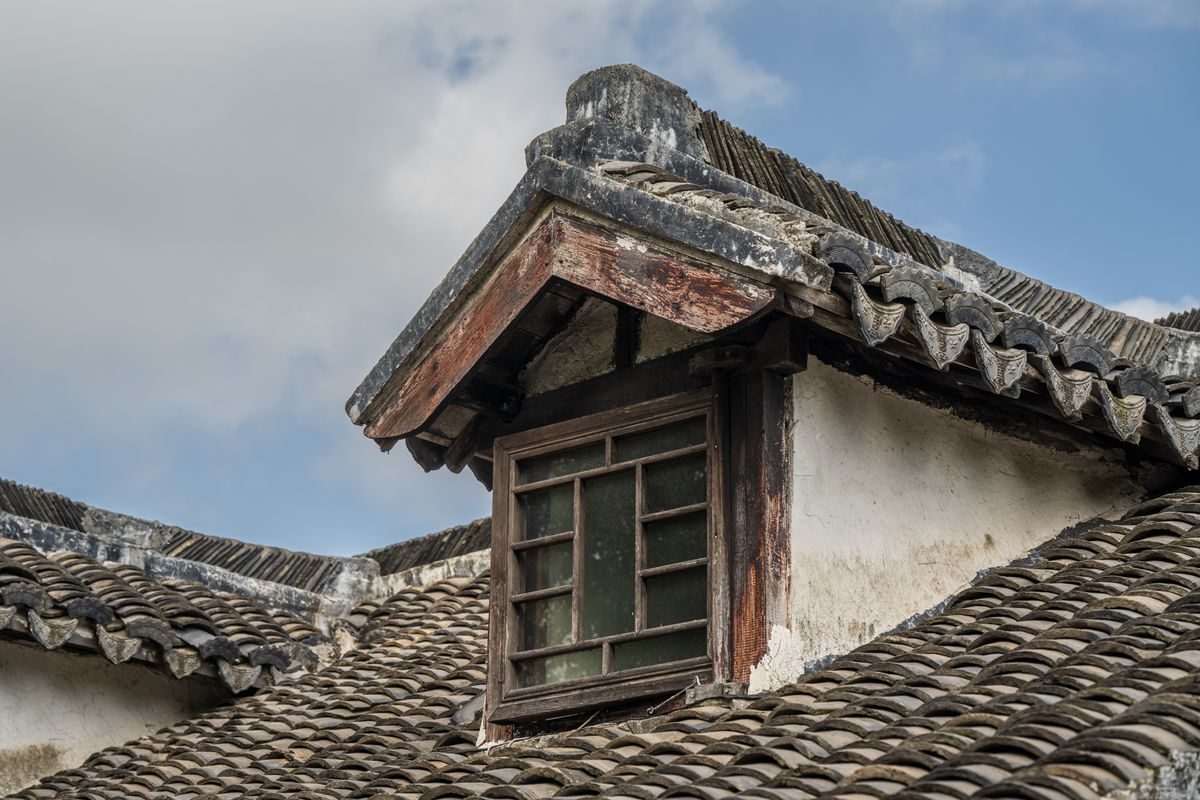
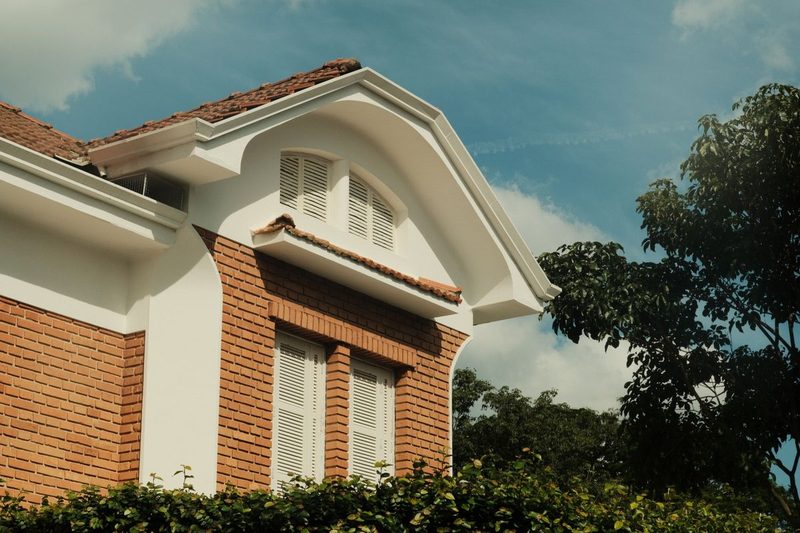
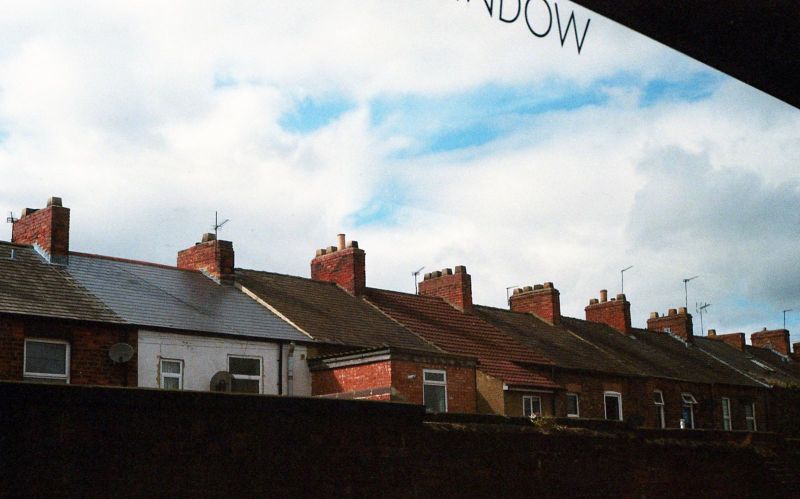
Eastleigh's housing stock is unusually mixed for a town its size, and that mix drives everything about repairs. The oldest streets around the town centre - the railway grid off Southampton Road and Leigh Road - carry late-Victorian and Edwardian terraces, mostly Welsh slate or clay plain tiles on softwood rafters. Move out to the 1930s ribbon development and you get clay pantiles and early concrete tiles. Then the postwar and modern estates - a big share of Eastleigh's homes were built after 1945 - are almost all concrete interlocking tiles, the wide, ridged type laid in single-lap courses.
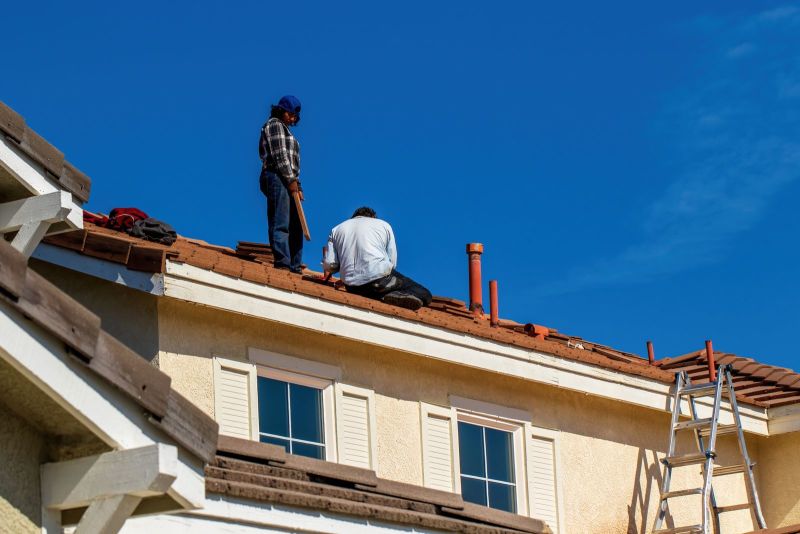
That matters because a Victorian slate roof and a 1970s concrete-tile roof fail in completely different ways and cost different money to fix. Roughly 6 in 10 homes in the Eastleigh Borough area were built after the war, so concrete-tile problems are the most common call we get, but the older terraces near the works are where the trickier heritage-style repairs sit.
Knowing exactly what covering you've got, and how much life is left in it, is the first real decision. Roof Repairs Winchester covers Eastleigh and the surrounding villages, and a proper survey will tell you whether you're looking at a quick patch, a slope relay, or a full strip before you start gathering quotes.
A Railway Town Built in a Hurry: What That Means for Roofs
The railway terraces are the interesting ones. They went up quickly between the 1890s and the 1910s, built to house works staff, and speed shows in the detail. On around half the pre-1920 terraces we inspect there's no breathable felt under the covering at all - the slate or tile is doing the whole weatherproofing job on its own, so a single slipped slate turns into a ceiling stain far faster than on a modern house.
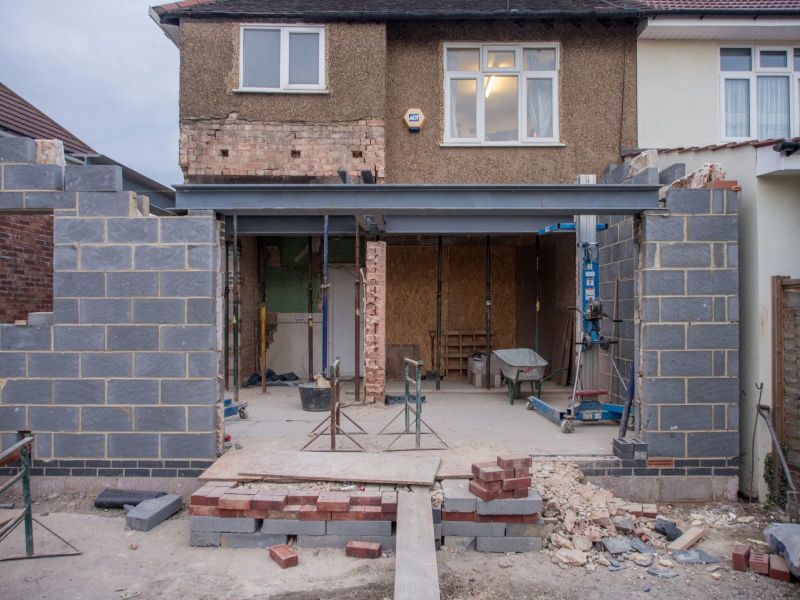
These terraces also share party walls and long unbroken runs, which changes repair logic. A slipped course or failed valley on one house often sits inches from next door's roof, and scaffolding a mid-terrace with no side access is more involved than a detached home. It's common for two or three neighbours to share a scaffold and split the cost when a run of terraces needs work at the same time.
The postwar estates have the opposite profile - simpler, more uniform roofs, but built with early concrete tiles and thin sarking felt that's now reaching the end of its life. A lot of Eastleigh's 1960s and 1970s felt is brittle and torn at the eaves, which lets wind-driven rain past the tiles even when the tiles themselves look fine.
Eastleigh's Weather and What It Does to a Roof
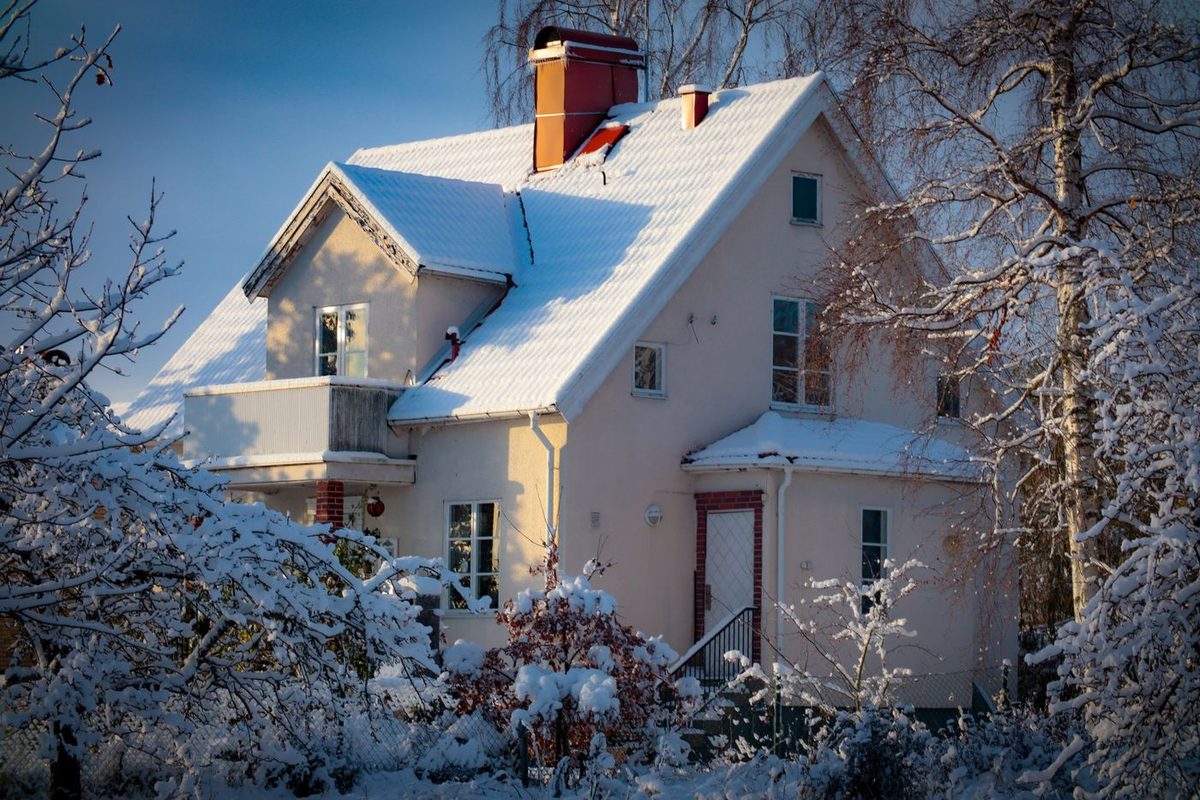
Eastleigh sits in the Itchen valley in south Hampshire, close enough to the Solent to get a mild, wet, and often windy climate. The town averages around 750mm to 800mm of rain a year, spread across a lot of grey, damp days rather than dramatic downpours, and that persistent moisture is what quietly wears roofs down.

Damp air feeds moss and algae, especially on north-facing slopes, and around 6 in 10 shaded Eastleigh roofs we look at carry a noticeable moss load. Moss holds water against the tile, then each of those 30 to 40 frost nights freezes it, expands it, and slowly spalls the surface off clay and delaminates concrete. Blocked gutters make it worse, because water that can't drain sits and soaks into fascias and rafter feet.
Wind is the other factor. Autumn and winter gales coming up from the coast lift ridge tiles, peel back flat-roof felt, and expose any tile that was already loose. The majority of our storm call-outs across Eastleigh trace back to a fixing that had already failed quietly before the wind simply finished the job.
The Faults We See Most on Eastleigh Roofs
Roofs fail in fairly predictable ways, and Eastleigh's mixed stock throws up the full range. The usual suspects, roughly in the order we see them:
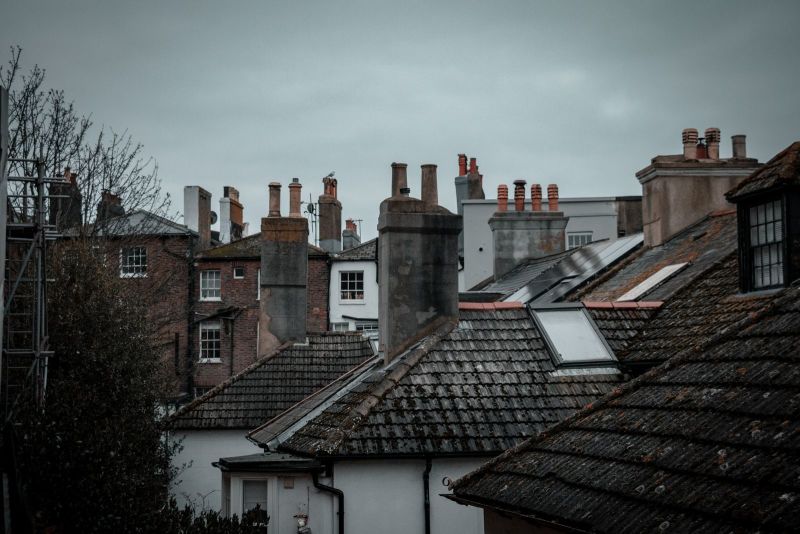
Slipped and cracked tiles or slates. On an older clay or slate roof, 1 to 3% of the covering being cracked or slipped at any time is normal. On concrete-tile estates, it's usually nail-fixed ridge and hip tiles working loose rather than the field tiles.
Failed mortar at ridges and hips. Bedding mortar dries out and cracks, letting ridge tiles rock. Re-bedding, or better still a dry-ridge system, is typically needed every 20 to 30 years.
Perished sarking felt. On postwar homes the felt at the eaves tears and sags, letting water track back into the roof space even when the tiles are sound.
Blocked gutters and valleys. In a damp valley town this is the number-one cause of interior leaks, not holes in the open roof.
Flat-roof failures. Many Eastleigh homes have flat-roof extensions, garages, and dormers, and old felt flat roofs are a frequent source of leaks once they hit 15 years. We covered the detail in our guide to what flat roof repairs cost and when to replace rather than patch, which is worth a read if your extension roof is bubbling or ponding.
The pattern across almost all of these is that Eastleigh roof problems start at a junction or a detail, not in the open roof. Catching them early is the difference between a £200 visit and a four-figure repair.
Concrete Tile, Chimneys, and Flat Roofs: The Weak Points
Because so much of Eastleigh is postwar, concrete interlocking tiles deserve their own note. They're tough - a good concrete-tile roof gives 40 to 60 years - but they get heavier and more brittle with age, and they fade and grow moss faster than clay. The real weak points are rarely the tiles themselves. It's the ridge and hip mortar, the sarking felt at the eaves, and the leadwork around chimneys and abutments.
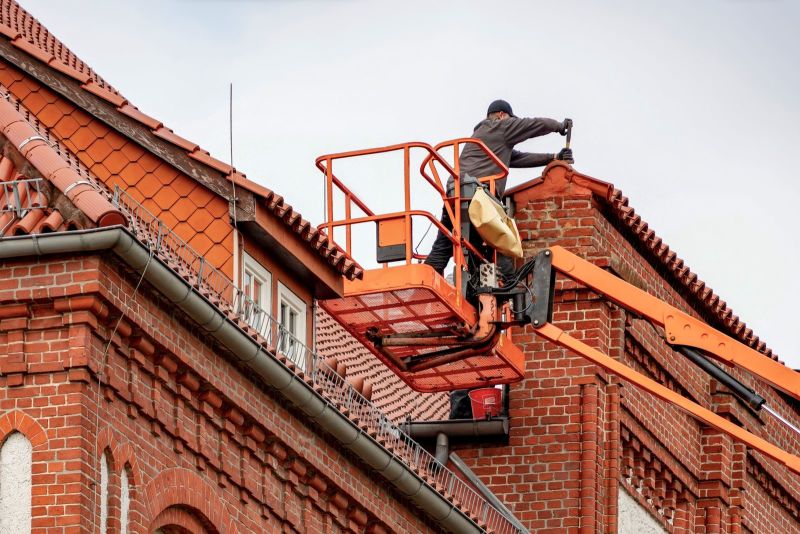
Chimneys are still common on Eastleigh's terraces and older semis, and the leadwork is where water usually gets in. Flashings around the stack and soakers between the tiles at a wall take far more punishment than the open roof. Lead moves about 3mm per metre between a cold night and a hot roof, so if it's been nailed solid or smeared over with mastic it fatigues and cracks. The right fix is re-dressing the lead and repointing the joint properly, not another layer of sealant. Around 4 in 10 of the chimney-area leaks we quote in Eastleigh come down to failed flashing or perished pointing rather than anything wrong with the roof.
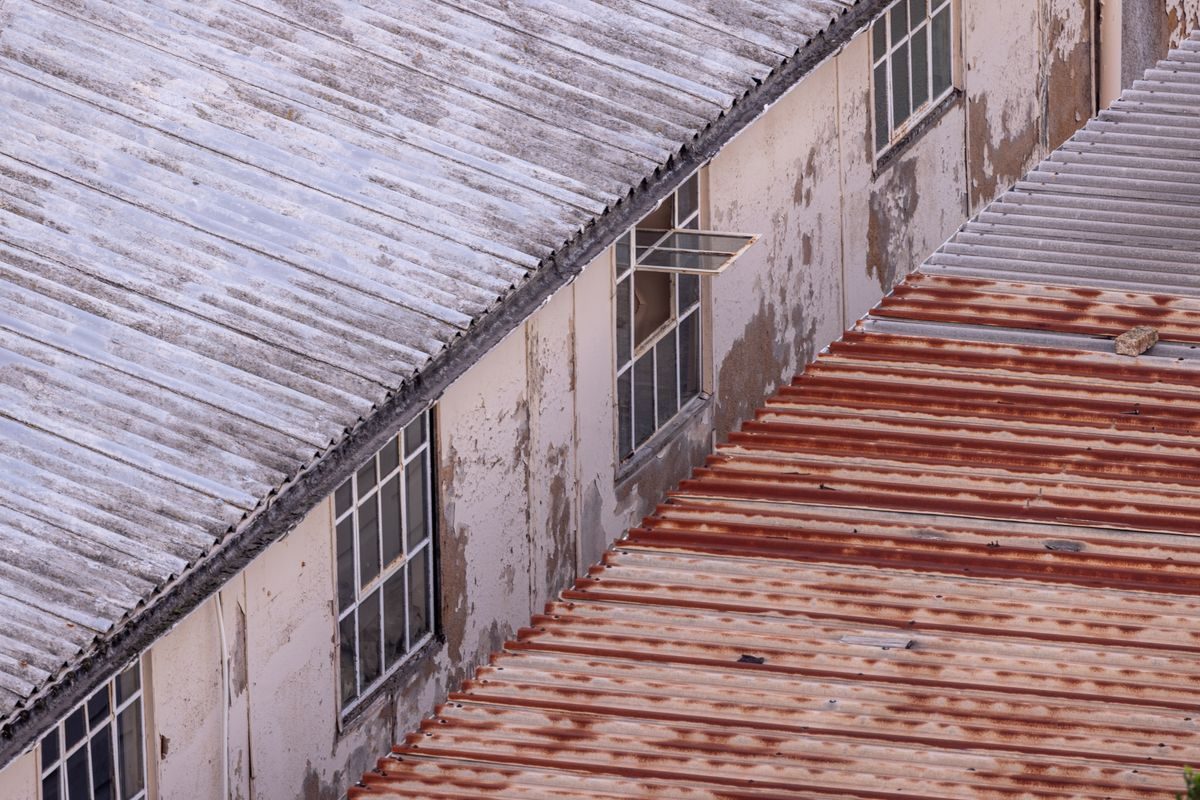
Flat roofs are the third weak point. Old three-layer felt on garages, extensions, and dormers cracks and ponds, and once water gets under the felt it can track a long way before it shows. Modern GRP fibreglass or EPDM rubber replacements last far longer and are usually the better call once a felt roof is past patching.
What Roof Repairs Cost in Eastleigh (2026)
Prices vary with access, scaffold, and how much work a job really involves, but as a 2026 guide for the Eastleigh area:
Replace a few slipped or cracked tiles/slates: £150 - £400 for a short visit.
Re-bed a ridge (per linear metre): £40 - £90, or £45 - £70 per metre for a dry-ridge conversion.
Clear and re-point a valley: £250 - £600 depending on length and access.
Full chimney flashing set: £400 - £900 depending on stack size and access.
Repoint a chimney: £500 - £1,200.
Replace a small felt flat roof with GRP or EPDM: £1,500 - £3,500 for a typical garage or extension.
Strip and relay a slope, salvaging sound tiles: £160 - £300 per square metre.
Full roof strip and relay on a terraced or semi-detached house: roughly £6,500 - £14,000, more if the timbers or felt need attention.
Scaffolding a mid-terrace with no side access can add £800 to £2,000 on its own, so always check whether it's in the quote. Prices for the same job around Eastleigh routinely vary 30 to 50% between firms, largely on how much tile salvage they've assumed, so ask each one what percentage of the covering they expect to reuse.
Finding a Roofer in Eastleigh Who Won't Oversell You
The biggest risk on an ordinary Eastleigh roof isn't a bad repair - it's being sold a full replacement you don't need. If under about 15 to 20% of the fixings on a slope have failed, targeted repair is almost always the smarter spend. Be wary of any firm that quotes a strip and relay after a five-minute look from the ground, and always get the scope in writing.
Check credentials properly. The National Federation of Roofing Contractors' find-a-member search lets you confirm a firm has passed the NFRC's office and site audit, and the government-backed TrustMark register of vetted tradespeople lets you check a firm has been independently assessed. Get at least three written quotes, and be wary of anyone who wants a big cash deposit up front or won't put the job in writing.
One last local note: most of Eastleigh sits under Eastleigh Borough Council, not Winchester City Council, so if your street falls in one of the borough's conservation areas or your home is listed, check consent with the correct authority before changing a covering. For the vast majority of Eastleigh homes, though, a roof repair is just a roof repair - so focus on getting an honest survey and a fair price.
---
FAQ
Q: How much do roof repairs cost in Eastleigh in 2026?
A: As a 2026 guide, replacing a few slipped tiles costs £150 to £400, re-bedding a ridge runs £40 to £90 per metre, a full chimney flashing set is £400 to £900, and repointing a chimney is £500 to £1,200. Replacing a small felt flat roof with GRP or EPDM is £1,500 to £3,500. Stripping and relaying a slope while salvaging sound tiles is around £160 to £300 per square metre. Scaffolding a mid-terrace with no side access can add £800 to £2,000 on its own, so always check whether it's included in the quote.
Q: What kind of roofs do most Eastleigh houses have?
A: It depends on the age of the street. The late-Victorian and Edwardian railway terraces near the town centre carry Welsh slate or clay plain tiles, the 1930s semis have clay pantiles or early concrete tiles, and the large postwar and modern estates at Boyatt Wood, Fair Oak, and Chandler's Ford are almost all concrete interlocking tiles. Around 6 in 10 homes in the borough were built after 1945, so concrete-tile problems - loose ridge mortar, perished sarking felt, and flashing leaks - are the most common repairs we see.
Q: Why do Eastleigh roofs get so much moss and damp?
A: Eastleigh sits low in the Itchen valley in south Hampshire, close to the Solent, so it gets a mild, wet, and often windy climate with around 750mm to 800mm of rain a year spread across a lot of damp days. That persistent moisture feeds moss and algae, especially on north-facing slopes, and around 6 in 10 shaded roofs we inspect carry a noticeable moss load. Each of the 30 to 40 frost nights a winter then freezes the trapped water and spalls the tile surface, while blocked gutters let water soak into fascias and rafter feet.
Q: Should I repair or fully replace my Eastleigh roof?
A: Repair usually wins unless the roof is genuinely worn out. If under about 15 to 20% of the fixings on a slope have failed, targeted repair is more economical than replacement. A concrete-tile roof gives 40 to 60 years, and much of Eastleigh's postwar stock leaks at the ridge, felt, or flashings rather than through failed tiles, so those details can often be renewed without a full strip. Be cautious of any firm that quotes a full replacement after a quick look from the ground, and get a proper survey first.
---
Ready to work with Roof Repairs Winchester?
Let's connect! We’re here to help.
Send us a message and we’ll be in touch.
Or give us a call today at 01962 462074
Agency Contact Form
More Marketing Tips, Tricks & Tools