Roof Repairs in Petersfield: Period Roofs, Common Problems, and Costs
Petersfield is a proper market town, and it wears its history on its rooflines. The square has held a market since the 12th century, the statue of William III has watched over it since 1753, and the Georgian brick frontages around The Square and the older lanes off it carry roofs that are anywhere from 100 to 300 years old. Roof repairs in Petersfield come with a twist most owners don't see coming: the whole town sits inside the South Downs National Park, so the planning authority is not East Hampshire District Council in the way you'd expect. Add a damp, cool position at the foot of Butser Hill - the highest point on the chalk downs at 270 metres - roughly 850mm of rain a year, and 30 to 40 air frost nights each winter, and you have a town where small roof faults grow quickly. Here's what goes wrong on Petersfield roofs, and what fixing them costs in 2026.
The Period Roofs You'll Find Around Petersfield
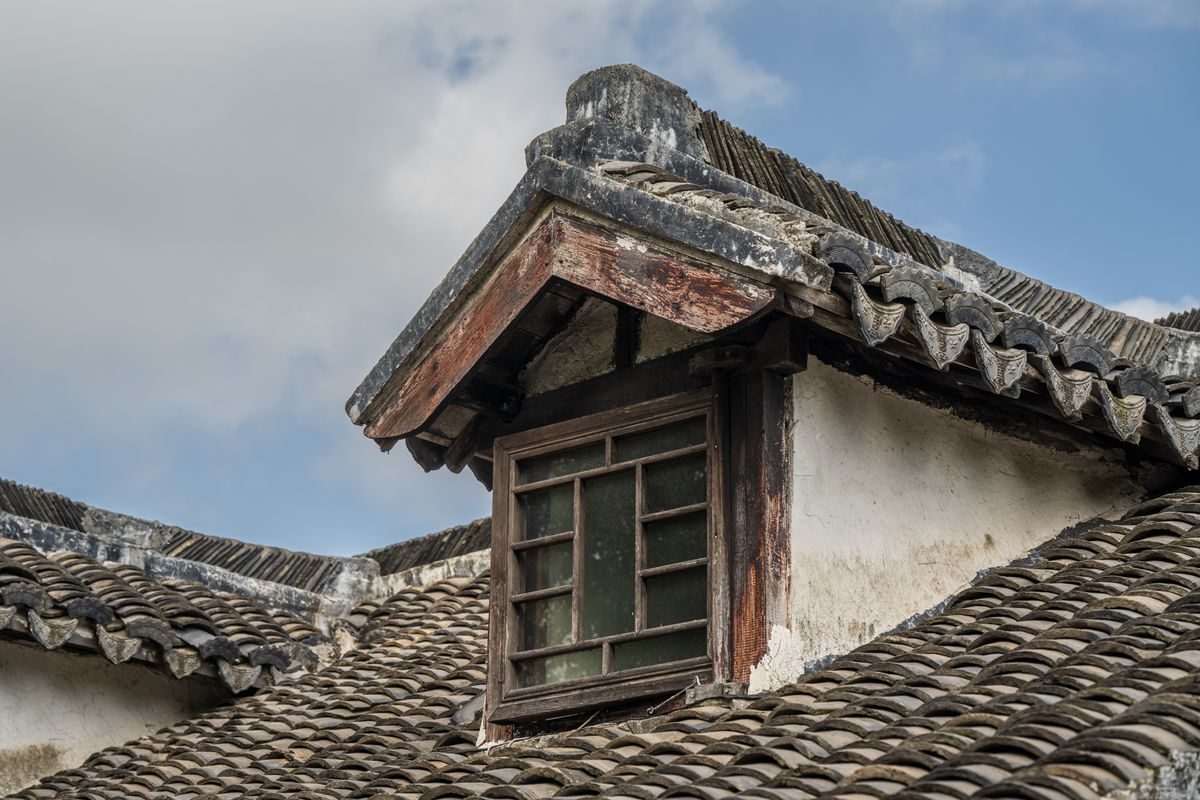
Walk from The Square down Sheep Street or along the High Street and the roof coverings change every few doors. The Georgian townhouses mostly carry handmade clay plain tiles, often laid over oak or softwood rafters that have moved and settled over two or three centuries, which is why so many of those roofs have a gentle wave in them. The Victorian streets that grew up after the railway arrived in 1859 brought Welsh slate with them, and the older timber-framed buildings tucked behind the frontages sometimes hide much earlier roof structures than their facades suggest.
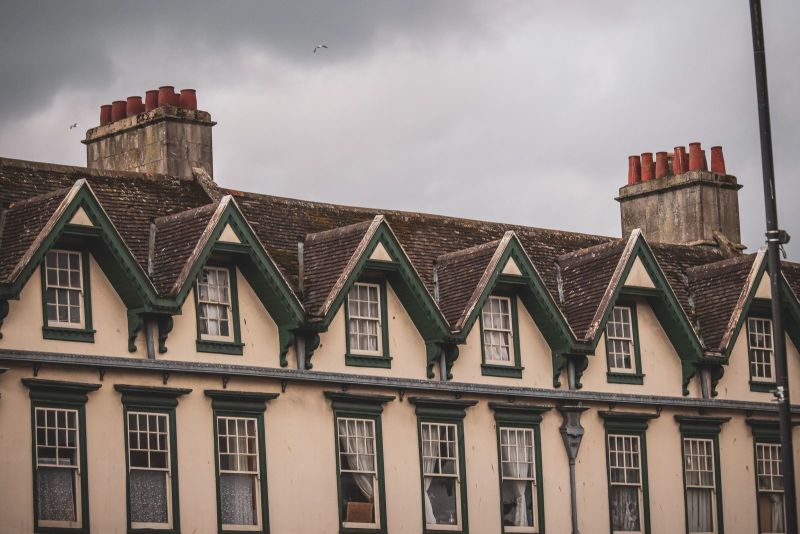
A wavy ridge line on a 250-year-old roof isn't automatically a problem - it's usually just old timber that settled generations ago and stopped moving. What matters is whether the covering still keeps water out, and on most pre-1900 Petersfield roofs there's no underfelt beneath the tiles, so one slipped tile lets water straight onto the laths and ceilings below.
That's why a proper diagnosis matters more here than on a modern estate house. Roof Repairs Winchester works across East Hampshire including Petersfield, and an honest survey will tell you whether you're looking at a £200 tile fix or something structural before you start gathering quotes.
Planning in Petersfield: You're in the South Downs National Park
This is the bit that catches people out. Petersfield sits entirely within the South Downs National Park, which became the planning authority for the town in 2011. East Hampshire District Council handles many applications on the Park's behalf, but the policies being applied are the National Park's own, and they're tighter than standard district rules - particularly on anything visible from the street or the surrounding downland.
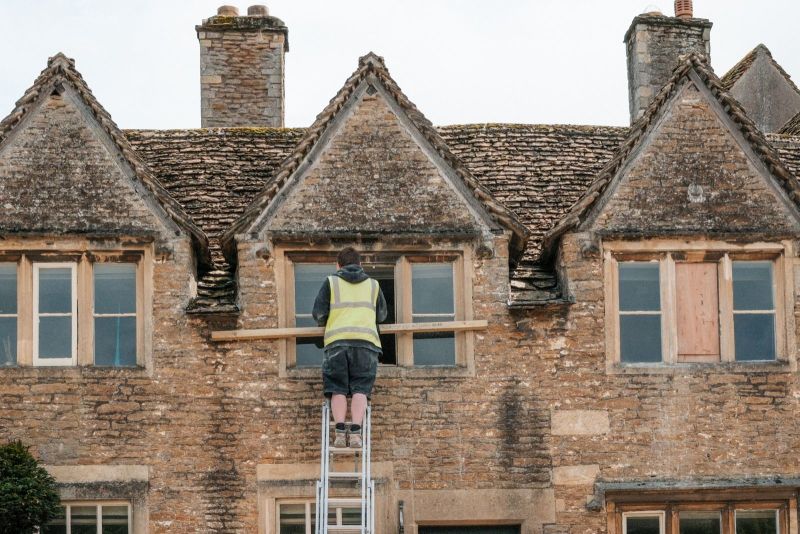
For like-for-like repairs using matching materials, you generally don't need permission at all. Where it gets stricter is change: swapping clay for concrete tiles, natural slate for fibre cement, or adding rooflights to a slope facing The Square. Inside the conservation area, which covers the historic core and its 100-plus listed buildings, permitted development rights are reduced, and on a listed building almost any change to the roof needs listed building consent - doing it without consent is a criminal offence. The government's guide to when planning permission is needed in England is a sensible starting point, but for anything beyond a straight repair, a quick email to the planning team saves a lot of grief. Budget 8 to 10 weeks for a decision if consent is needed.
One More Wrinkle: Materials Cost More Here
National Park and conservation policies usually mean matching what's there. Handmade clay plain tiles run £1.50 - £3 each against 60p - £1 for machine-made, and reclaimed Welsh slate costs £2 - £4 a piece. On a small repair that adds £50 - £150 to the bill. On a full slope it can add 20 - 35% to the total, which is worth knowing before quotes land.
What the Weather Off the Downs Does to a Roof
Petersfield sits low, in the gap between Butser Hill and the Hangers, and that position shapes its weather. The town picks up around 850mm of rain a year - noticeably more than the Hampshire coast - because the downs wring moisture out of the air moving inland. Cold air also drains off the high chalk on clear nights and pools in the low ground, so Petersfield sees more frost than you'd guess for somewhere this far south: 30 to 40 air frost nights in a typical winter.
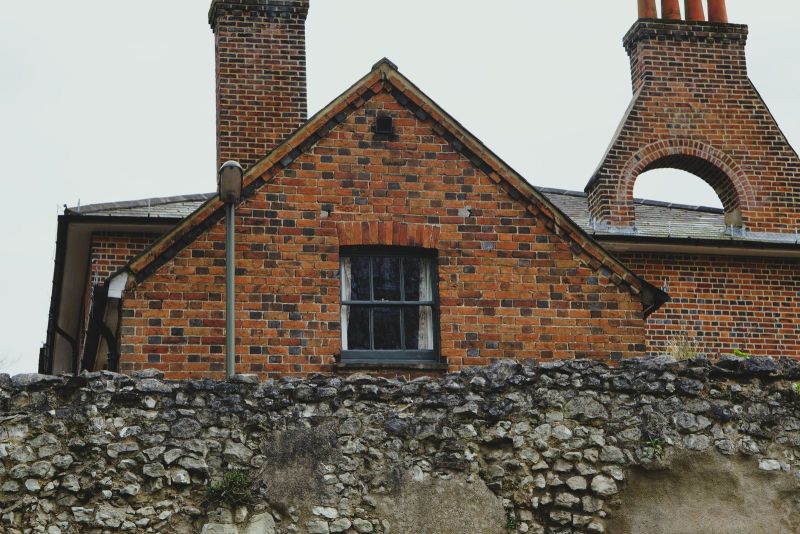
That combination is the engine behind most roof decay in the town. Clay tiles absorb a little water in wet spells, and every frost night that follows expands it inside the tile face. After 15 or 20 winters of that cycle the surface spalls off, the tile becomes porous, and it starts feeding damp into the laths beneath. North-facing slopes on the town's period streets hold moss for the same reason - they can stay damp for weeks in winter - and we'd estimate two thirds of the leak call-outs in towns like this trace back to blocked gutters, choked valleys, or moss dams rather than a dramatic hole.
The cheap defence is boring: gutters cleared twice a year, valleys kept clean, moss lifted before it mats. £80 - £150 of maintenance a year genuinely prevents four-figure repairs on a period roof.
Common Roof Repairs on Petersfield's Period Homes
The same handful of faults come up again and again on the town's older stock.
Slipped, Cracked, and Spalled Tiles
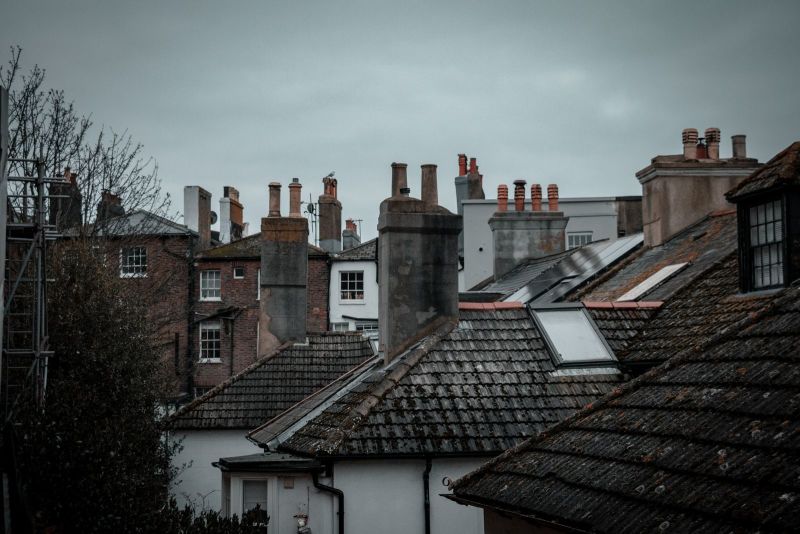
On a century-old clay roof, having 1 - 3% of tiles cracked or slipped at any moment is normal wear, not a crisis. The fixings fail before the tiles do: the oak pegs or iron nails holding old plain tiles rot and rust, and a windy night off the downs does the rest. Caught early, this is the cheapest repair on the list.
Failed Ridges, Verges, and Pointing
Mortar bedding at ridges and gable verges typically lasts 20 - 30 years before it cracks and lets ridge tiles rock loose. It's a common find on the Victorian terraces near the station, where a century of freeze-thaw has hollowed out the original lime mortar.
Tired Flashings and Valleys
Lead flashings around Petersfield's many chimney stacks last 60 - 100 years, but the mortar holding them into the brickwork fails much sooner. Splits along a lead valley are one of the most common sources of a mystery ceiling stain, because the water travels along timbers before it shows.
Rot You Can't See Yet
Where any of the above has been leaking quietly, rafter feet and wall plates soften. On roofs without underfelt this happens faster, which is why a small leak on a period roof should never wait a season.
What Roof Repairs Cost in Petersfield in 2026
As a working guide for the town and surrounding East Hampshire villages:
- Replacing a handful of slipped or cracked tiles: £150 - £400
- Re-bedding a ridge: £45 - £95 per linear metre
- Renewing a lead valley: £300 - £700 depending on length
- Full chimney flashing renewal: £450 - £950 per stack
- Chimney repointing: £550 - £1,300
- Stripping and relaying a slope, salvaging sound tiles: £190 - £330 per square metre
Two Petersfield-specific factors move those numbers. Heritage materials add the premiums covered above, and access matters on the tight historic streets - scaffolding a frontage directly onto Sheep Street or the High Street, with licences and pedestrian protection, can add £1,000 - £2,500 to a job that would need half that on an open drive. Quotes for identical work commonly vary by 30 - 40% between firms, usually because of different assumptions about tile salvage, so ask each roofer what percentage of the existing covering they plan to reuse. On a sound period roof, 70 - 85% is a realistic salvage rate.
We've looked at how the same period-roof problems and prices play out on the other side of Winchester in our guide to roof repairs in Stockbridge and the Test Valley, and comparing the two is a useful sanity check on any quote you're weighing up.
Finding the Right Roofer in East Hampshire
Petersfield's stock needs a roofer comfortable with handmade clay, natural slate, lime mortar, and traditional leadwork - not just modern concrete interlocking tiles. Ask to see photographs of comparable period jobs locally, and ask whether they've worked under South Downs National Park planning before, because that experience shortens the consent conversation considerably.
Check credentials rather than taking them on trust. The National Federation of Roofing Contractors' find-a-member search confirms whether a firm has passed the NFRC's vetting and site inspections, and the government-endorsed TrustMark register shows whether they've been independently assessed for quality and trading standards. Get three written quotes with the scope itemised, and treat a demand for a large cash deposit as the red flag it is - established local firms rarely ask for more than materials money up front.
One last thing: on a Petersfield period roof, repair almost always beats replacement. A well-repaired handmade clay roof can run for decades more, keeps the character the National Park exists to protect, and costs a fraction of a strip and re-cover. Be sceptical of anyone whose first answer is a whole new roof.
---
FAQ
Q: Do I need permission for roof repairs in Petersfield?
A: Like-for-like repairs with matching materials generally don't need permission. But Petersfield sits inside the South Downs National Park, which has been the planning authority since 2011, and its policies are stricter than standard district rules. Changing the roof covering material, adding rooflights on a visible slope, or altering the roofline can need permission, especially in the conservation area covering the historic core. On any of the town's 100-plus listed buildings, almost all roof alterations need listed building consent, and doing the work without it is a criminal offence. Allow 8 to 10 weeks for a decision.
Q: How much do roof repairs cost in Petersfield in 2026?
A: Replacing a few slipped or cracked tiles costs £150 - £400, re-bedding a ridge runs £45 - £95 per metre, renewing a lead valley is £300 - £700, a full chimney flashing renewal is £450 - £950, and chimney repointing is £550 - £1,300. Stripping and relaying a slope while salvaging sound tiles costs £190 - £330 per square metre. Heritage materials add to this - handmade clay tiles cost £1.50 - £3 each - and scaffolding a tight town-centre frontage can add £1,000 - £2,500.
Q: Why do Petersfield roofs suffer so much frost and moss damage?
A: The town sits in low ground at the foot of Butser Hill, where cold air drains off the chalk and pools on clear nights, giving Petersfield 30 to 40 air frost nights in a typical winter alongside roughly 850mm of annual rain. Wet tiles freeze, the trapped water expands, and over 15 to 20 winters the tile faces spall and turn porous. North-facing slopes stay damp for weeks and grow moss that dams water on the roof. Most leaks trace back to blocked gutters, choked valleys, or moss rather than a hole in the open slope.
Q: Should I repair or replace a period roof in Petersfield?
A: Repair, in almost every case. A period clay tile or slate roof that's leaking usually has a localised fault - slipped tiles, failed ridge mortar, or tired flashings - and on a sound roof 70 - 85% of the original covering can typically be salvaged and re-laid if a bigger job is ever needed. Full replacement costs many times more, needs planning conversations inside the National Park, and throws away materials the conservation policies exist to keep. Get a survey first and be wary of any roofer whose first suggestion is a complete new roof.
---
Ready to work with Roof Repairs Winchester?
Let's connect! We’re here to help.
Send us a message and we’ll be in touch.
Or give us a call today at 01962 462074
Agency Contact Form
More Marketing Tips, Tricks & Tools