Solar Panels and Your Winchester Roof: The Checks to Make Before Installing
Solar quotes are flying around Winchester at the moment, and it's easy to see why: energy bills are still high, panel prices have dropped around 25% in five years, and a well-placed array can cut a typical household's electricity bill by 50 - 70%. But almost every solar salesperson starts the conversation at the panels. The right place to start is the roof underneath them. A solar array adds 15 - 20kg per square metre of dead load, the panels will sit there for 25 to 30 years, and taking them off again to fix the roof mid-life costs £1,000 - £2,500 before any roofing work even starts. In a city where the average home costs around £575,000 and a big share of the stock is Victorian slate or period clay tile, a £150 - £400 roof survey before you sign anything is the cheapest insurance in the whole project. Here's what to check, and why Winchester roofs need more checking than most.
Why the Roof Check Comes Before the Solar Quote
Panels outlive most of the things around them. A decent panel carries a 25-year performance warranty, and plenty keep producing beyond 30 years. That's the whole problem: whatever the panels are bolted to needs to last just as long, because once an array is up, every roof repair underneath it means paying an installer to remove and refit panels at £60 - £150 per panel each way.
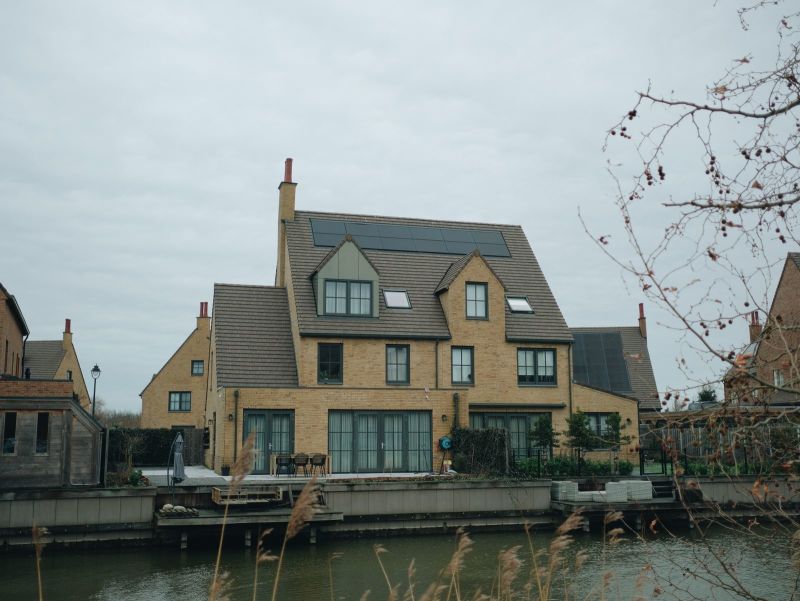
The maths is blunt. If your roof covering has 10 years of life left and you put a 25-year array on it, you've booked yourself a mid-life removal job that can add £2,000 - £4,000 to a re-roof that was coming anyway. Do the roof first and that cost disappears.
So before you compare a single solar quote, get the roof looked at by someone whose trade is roofs. Roof Repairs Winchester surveys roofs across the city and the surrounding villages for exactly this question - not whether solar is a good idea, but whether your roof is ready to carry it for three decades.
What Solar Panels Actually Put on a Winchester Roof
A standard residential panel weighs 18 - 22kg and covers roughly two square metres. Add the aluminium mounting rails and fixings and you land at that 15 - 20kg per square metre figure, so a typical 10 to 12 panel array puts 350 - 500kg of new dead load on one slope of the roof. Spread across the rafters, that's a modest addition for a sound roof - roughly the weight of a second layer of concrete tiles' worth of loading on the panelled area.
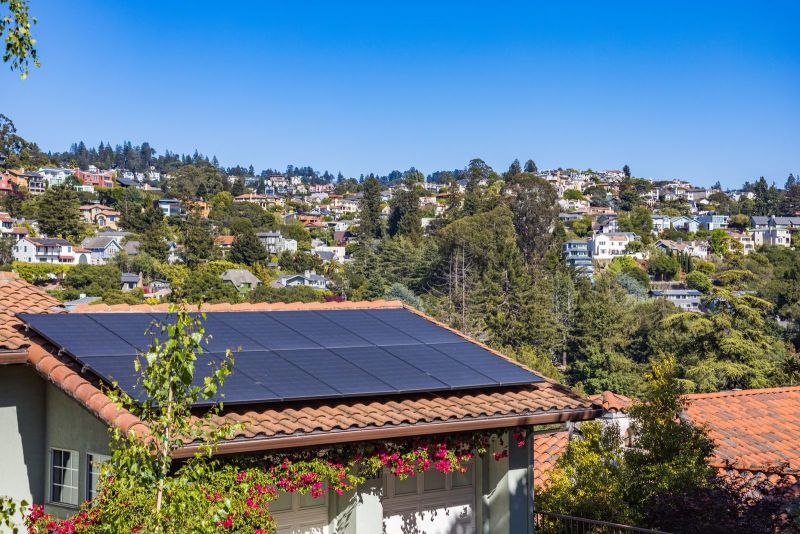
The load isn't the only force involved, though. Panels act like sails. Wind blowing over the array creates uplift, and the roof hooks that anchor the rails are fixed to individual rafters, which concentrates forces on specific timbers rather than spreading them evenly. On an exposed slope above the Itchen valley or up on the higher ground around Oliver's Battery, gust loading matters as much as dead weight.
None of this rules out solar on older roofs. It just means the structure needs checking against the real numbers, not waved through because the installer's spreadsheet says the average roof is fine.
Can the Structure Take It? Rafters, Purlins, and Old Timber
Winchester's housing stock is old by national standards, and its roof structures reflect that. The Victorian terraces in Fulflood, Hyde, and around St Cross were commonly built with 75 x 50mm rafters at 400 - 450mm spacings - sized for slate and nothing more. Add 15 - 20kg per square metre and some of those roofs sit right at the edge of their comfortable capacity, especially where a purlin already shows deflection or a rafter has been notched for pipes and cables over the years.
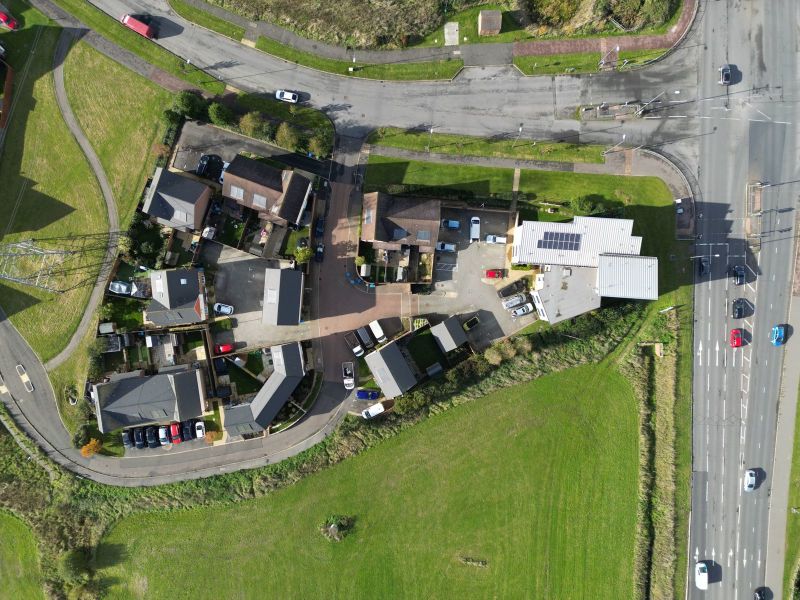
A structural check for solar looks at rafter size and spacing, the condition of purlins and struts, any historic sag or spread, and whether previous work - a loft conversion, a water tank, an earlier re-roof in heavier tiles - has already used up the margin. Where a roof needs strengthening, the usual fix is sistering rafters or adding support, typically £500 - £1,500. That's not a dealbreaker; it's just a cost that belongs in the project budget from day one, not a surprise after the scaffolding is up.
The Warning Signs Worth Taking Seriously
A visible dip in the roof plane, a ridge line that sags in the middle, cracked ceilings below the loft, or daylight through the slope all say "get a structural opinion first". Around 1 in 5 pre-1920 roofs we look at would want some strengthening before carrying an array, so it's common, fixable, and much cheaper to sort before install day.
Tile and Slate Condition: The 25-Year Question
The covering matters as much as the structure. The question isn't "does it leak today" but "will it get through 25 years without being stripped". A Welsh slate roof can run 80 - 120 years, but the nails holding the slates often corrode long before the slate itself dies - the trade calls it nail sickness - and once slates start slipping in numbers, the roof needs stripping regardless of what's bolted on top. Clay tiles from the interwar years are frequently at the spalled, porous end of their 60 - 100 year life. Concrete tiles from the 60s and 70s are usually fine structurally but may be close to their 50 - 60 year horizon by the time the panels come down.
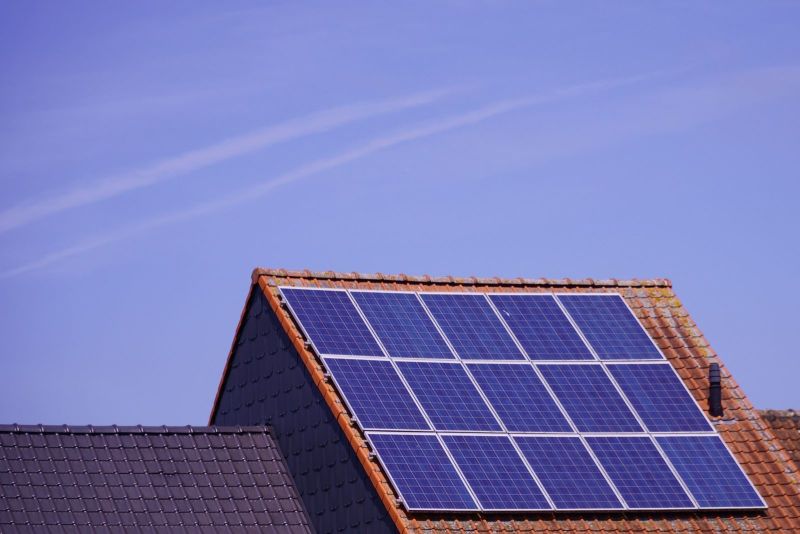
An honest condition check counts the percentage of slipped or damaged units, looks at fixings and battens from inside the loft, and checks whether there's underfelt at all - many Winchester period roofs have none, which makes every future repair more urgent.
When Re-Roofing First Is the Right Call
If the covering has less than 15 years of realistic life, re-roof before you install - it's the standard advice, and the money works. Stripping and re-covering costs £180 - £320 per square metre, and doing it with the solar install means one scaffold hire instead of two, saving £1,000 - £2,000 on its own, plus in-roof panel systems become an option, which sit flush and replace tiles rather than adding load. Choosing what goes back on matters in a city this historic - we've compared the options and prices in our guide to roofing materials for Winchester period homes, and the right covering under an array is one that comfortably outlasts it.
Where Solar Panels Need Permission in Winchester
Most solar installs in England are permitted development, but Winchester is exactly the kind of place where the exceptions bite. The rules in the government's guidance on planning permission for solar panels are specific: panels must not protrude more than 200mm from the roof slope, must not sit higher than the highest part of the roof excluding the chimney, and installations on listed buildings or in their grounds need consent.
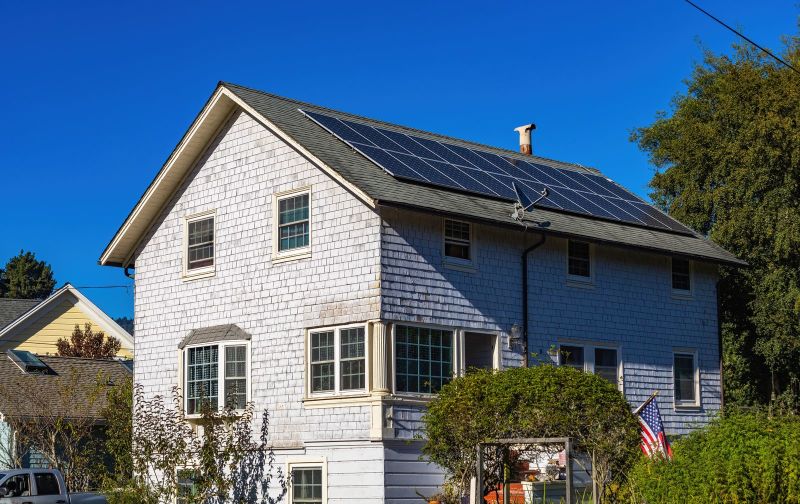
That matters here because Winchester's historic core and many of its suburbs and villages sit in conservation areas - the district has more than 30 of them - and the city carries one of the densest concentrations of listed buildings in Hampshire. In a conservation area, wall-mounted panels fronting a highway lose permitted development rights, and on a listed building you'll need listed building consent for panels at all, which is granted sparingly and usually only on concealed slopes. If you're anywhere near the cathedral quarter, the Hyde conservation area, or a listed village property, check with Winchester City Council before you order anything. Expect an 8-week determination period where consent is needed, and factor it into the timeline rather than discovering it after the deposit is paid.
Pitch, Orientation, and Shade on Winchester's Stock
Winchester sits at about 51 degrees north, where the ideal solar setup is a south-facing slope pitched at 30 - 40 degrees. Much of the city's stock scores well: Victorian terraces typically pitch at 30 - 45 degrees for slate, and period clay tile roofs often run steeper at 45 - 50 degrees, which costs only around 5 - 8% of annual yield against the optimum. East-west roofs generate 15 - 20% less than due south but spread generation across the day, which suits homes that use power morning and evening.
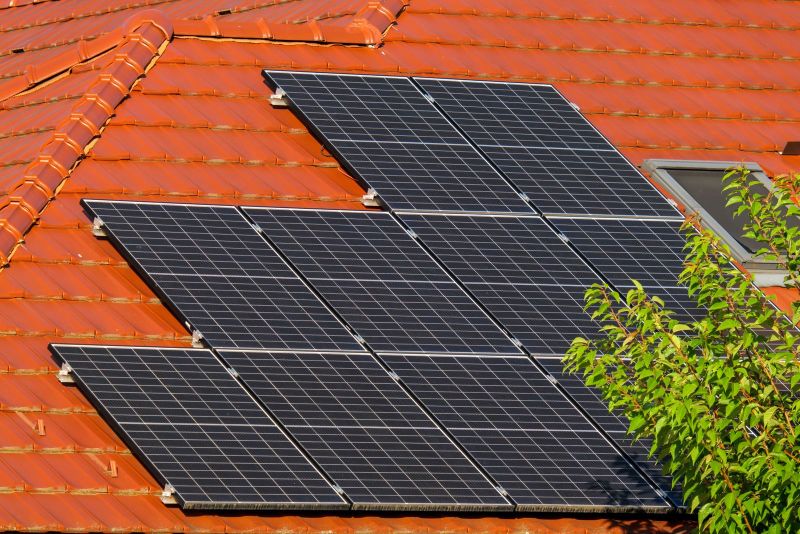
Shade is the quiet yield-killer. The mature trees that make streets like those around St Cross and Sleepers Hill so pleasant can knock 10 - 30% off output, and a chimney stack shading one panel drags down its whole string unless optimisers are fitted at £40 - £70 per panel. A proper survey models shading across the year rather than eyeballing it on a sunny afternoon.
The Pre-Install Survey, and Getting the Right People In
A pre-solar roof survey costs £150 - £400 depending on whether it's a visual and loft inspection or includes drone imaging and a structural engineer's calculations. For that you should get a clear verdict on structure, covering condition and remaining life, fixings, and any strengthening or repair work needed - in writing, so you can hand it to installers and get like-for-like quotes.
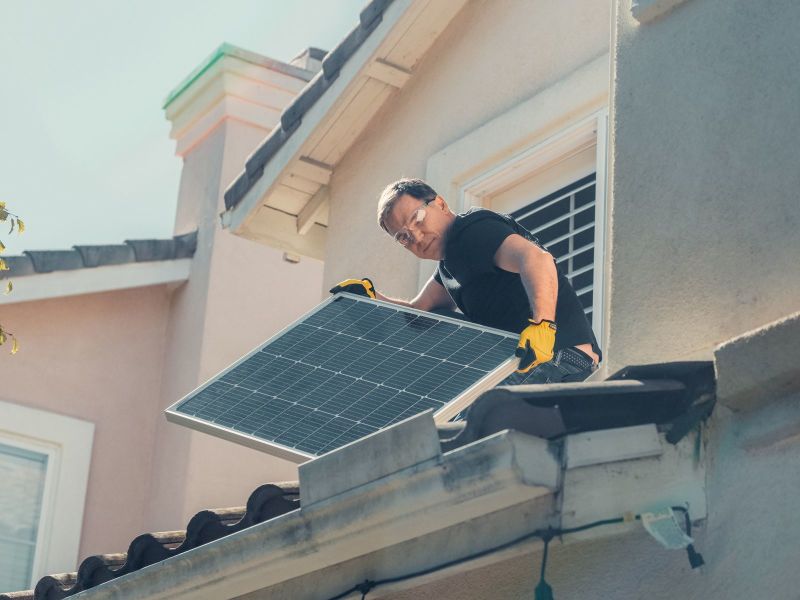
On the solar side, use an installer certified under the Microgeneration Certification Scheme, which is the industry standard scheme covering both products and installation quality, and which most export-payment tariffs require. For any roofing work the survey turns up, the NFRC's find-a-member search lists contractors who've passed the federation's vetting and site audits. The best projects are the ones where the roofer and the installer talk to each other before the scaffold goes up - same scaffold, agreed sequence, no finger-pointing later if a tile cracks.
The short version: panels are the easy bit. In Winchester, with its old timbers, older coverings, and conservation rules, the roof underneath is where the project succeeds or fails - so spend the £150 - £400 to find out what you're really working with first.
---
FAQ
Q: How much weight do solar panels add to a Winchester roof?
A: A standard panel weighs 18 - 22kg, and with mounting rails and fixings a solar array adds 15 - 20kg per square metre of roof - around 350 - 500kg for a typical 10 to 12 panel system on one slope. A sound modern roof takes that comfortably, but many of Winchester's Victorian terraces were built with 75 x 50mm rafters sized only for slate, and roughly 1 in 5 pre-1920 roofs would want strengthening first, typically costing £500 - £1,500. Wind uplift on the panels also concentrates force on the individual rafters the roof hooks fix to, so a structural check matters as much as the dead weight.
Q: Should I re-roof before installing solar panels?
A: If your roof covering has less than about 15 years of realistic life left, yes. Panels last 25 to 30 years, and removing and refitting them mid-life to re-roof costs £60 - £150 per panel each way plus a second scaffold hire, adding £2,000 - £4,000 to a job that was coming anyway. Re-roofing first costs £180 - £320 per square metre, shares one scaffold with the install and saves £1,000 - £2,000, and opens up flush in-roof panel systems. A £150 - £400 survey will tell you honestly which side of the line your roof sits.
Q: Do I need planning permission for solar panels in Winchester?
A: Usually not - most installs are permitted development provided panels protrude no more than 200mm from the slope and don't rise above the highest part of the roof excluding the chimney. But Winchester is full of exceptions: the district has more than 30 conservation areas, where wall-mounted panels fronting a highway lose permitted development rights, and listed buildings need listed building consent for panels at all, which is granted sparingly. If your home is listed or near the historic core, check with Winchester City Council first and allow around 8 weeks for a decision.
Q: What does a pre-solar roof survey cost and cover?
A: Expect £150 - £400 depending on depth - a visual and loft inspection at the lower end, drone imaging and structural engineer's calculations at the top. It should assess rafter and purlin condition against the extra 15 - 20kg per square metre, count slipped or damaged tiles and slates, check fixings and underfelt, estimate the covering's remaining life against the array's 25 - 30 years, and price any strengthening or repairs. Get the findings in writing so every solar installer quotes against the same facts.
---
Ready to work with Roof Repairs Winchester?
Let's connect! We’re here to help.
Send us a message and we’ll be in touch.
Or give us a call today at 01962 462074
Agency Contact Form
More Marketing Tips, Tricks & Tools