Roof Repairs in Twyford, Colden Common and Kings Worthy: Costs and Common Faults
The villages ringing Winchester share a geology and a climate but not a housing stock, and that is what makes them interesting to work in. Twyford and Colden Common sit south of the city in the Itchen valley, Kings Worthy just north where the downs rise towards the A34. All three sit on chalk, all three get around 760 to 820 mm of rain a year, and all three have mixed development: flint and brick cottages from the 1700s and 1800s alongside substantial post-war and 1970s expansion. A roofer working across the three in a week handles clay peg tile, natural slate, and concrete interlocking on the same day. Repairs run £180 to £1,600, and the covering material moves that number more than the fault does.
What Roof Repairs Cost Around Winchester in 2026
Splitting by covering gives the honest picture.
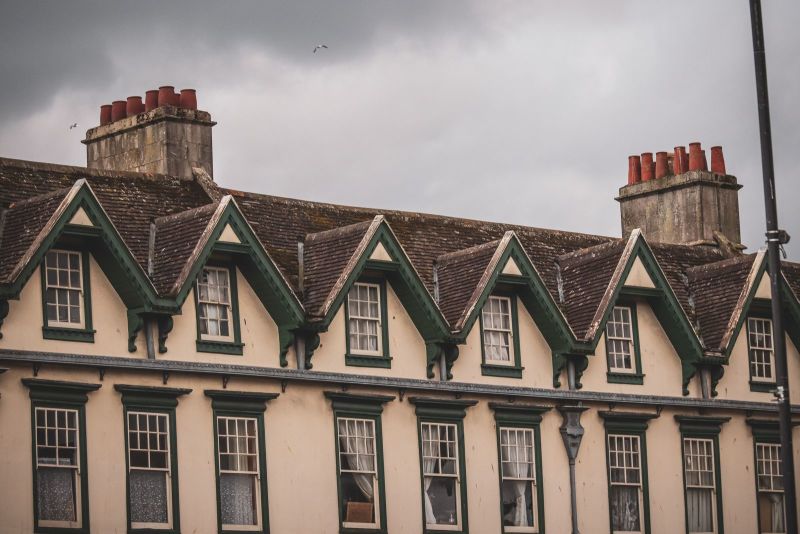
On concrete or clay tile, which covers the post-war stock: replacing slipped tiles is £180 to £330, refixing a ridge tile £160 to £300, repointing a ridge line £560 to £1,120, renewing lead chimney flashing £480 to £980. Re-tiling one elevation of a semi is £2,900 to £5,600, and a full re-roof £7,500 to £13,000.
On natural slate, which appears on the Victorian stock: replacing slipped slates is £240 to £480, and a full re-slate on a modest property £12,000 to £24,000 depending on whether Welsh or Spanish slate is specified.
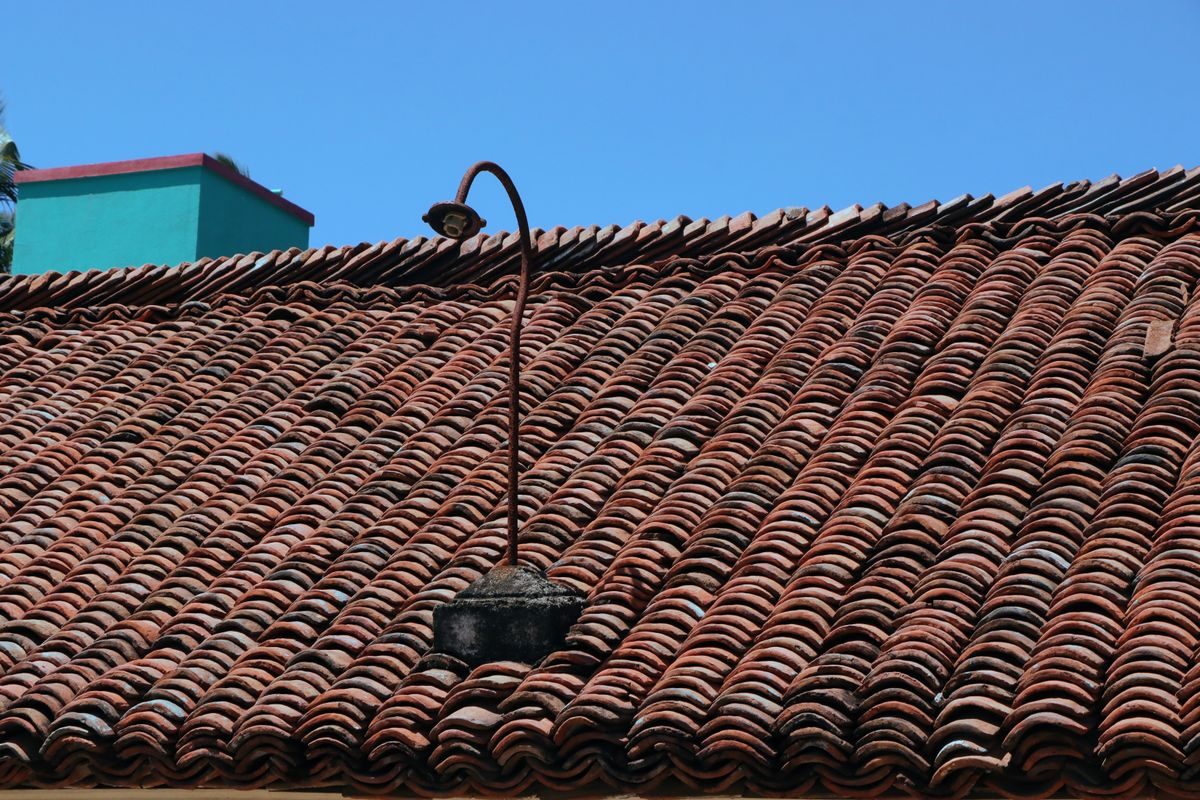
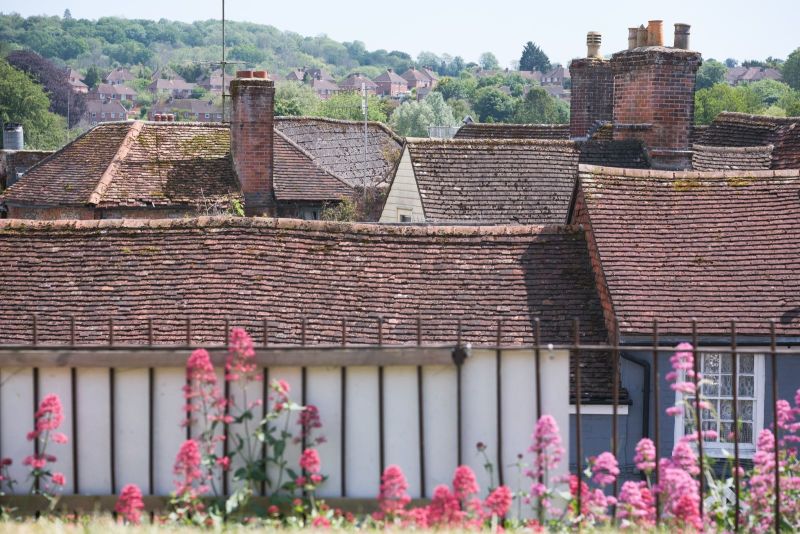
On handmade clay peg tile, common on the older village cottages: replacing a few tiles is £280 to £600 because reclaimed matching stock has to be sourced, and a full re-tile runs £14,000 to £30,000.
Scaffolding accounts for £650 to £1,500 of any substantial job, and on the narrow lanes through Twyford and Kings Worthy a highway licence adds £150 to £400. Roof Repairs Winchester covers all three villages and identifies the covering before pricing, because a peg tile roof quoted as a concrete tile job is a quote that will change.
Twyford: Conservation Area and Itchen Valley Damp
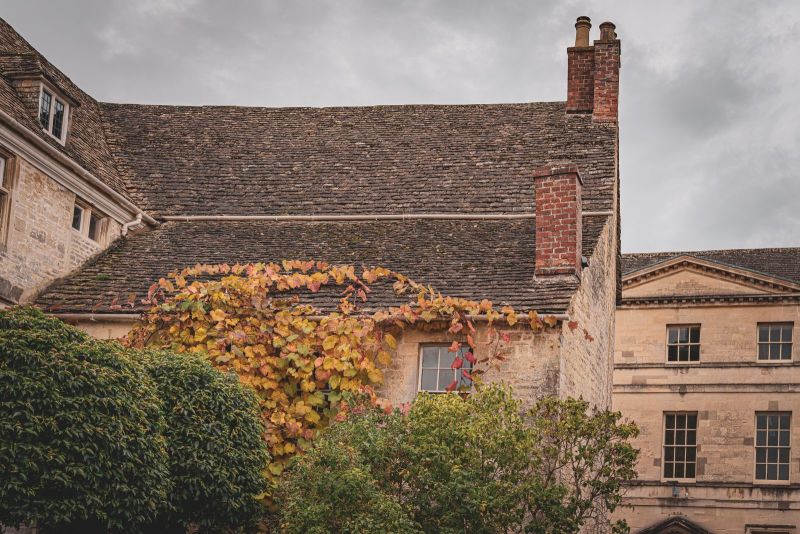
Twyford has a conservation area covering much of the historic village centre, and a good number of listed buildings around the High Street, Queen Street and the church.
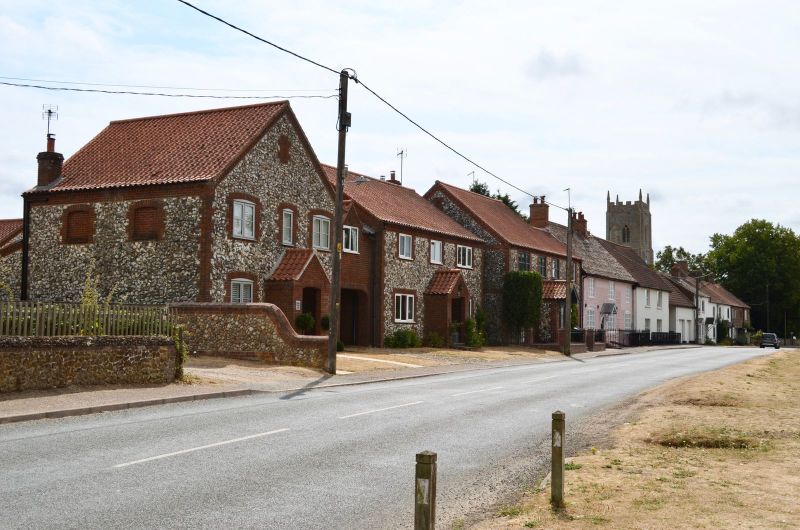
That changes what is possible. Like-for-like repair with matching material generally needs no consent. Changing the covering, altering the roof shape, or adding rooflights to a street-facing elevation usually does. On a listed building, work affecting its character needs listed building consent, and proceeding without it is a criminal offence rather than a planning matter. Winchester City Council's conservation team offers pre-application advice and a conversation before commissioning drawings is worth having.
The material constraint is the practical one. Substituting concrete or artificial slate for handmade clay peg tile will normally be refused on a listed building and often in the conservation area where the roof is visible from the street. Reclaimed matching tile is the expected answer, at £1.60 to £3.40 each against 70p to £1.40 for modern machine-made, and sourcing takes six to twelve weeks on a substantial job.
Valley position adds a second issue. Twyford sits low in the Itchen valley where cool damp air settles, and the north-facing slopes here grow moss and lichen thickly. On handmade clay tile that is largely cosmetic and part of the character. Never pressure wash it - the tiles are soft and porous, and a washer strips the weathered surface and drives water into the body of the tile.
Colden Common: Post-War Expansion and Modern Faults
Colden Common grew substantially from the 1950s onwards and the majority of its housing is post-war, with concrete interlocking tile on trussed rafters or traditional cut roofs.
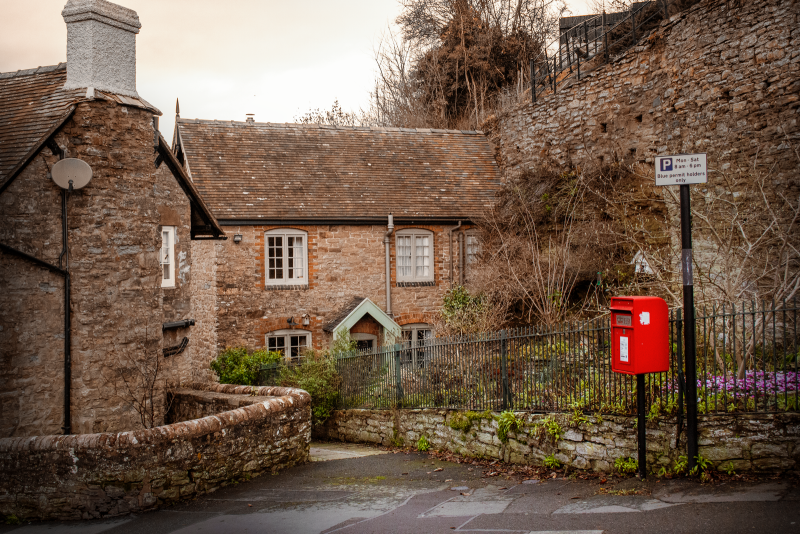
The faults here are the modern ones, and they follow a timetable. Mortar-bedded ridge and verge cracks and fails at 25 to 35 years. Bitumen underlay embrittles and tears at the eaves after 30 to 40 years. And roof ventilation, which was not required to current standards when these houses were built, becomes inadequate the moment loft insulation is topped up to modern depth.
The eaves underlay failure deserves naming because it is so often misread. Water running down the inside of the felt should discharge into the gutter. Where the felt has torn where it drapes over the fascia, it drips into the wall head instead. The symptom is damp at the top of an upstairs wall with a roof that looks perfect from the ground. Fitting an eaves protection tray costs £280 to £650 per elevation.
Ventilation is the paired problem. Add 300mm of insulation to a roof with no soffit or ridge vents and you get condensation on the underside of the felt, dripping onto the insulation and reading exactly like a leak. Retrofitting soffit vents and a ventilated ridge costs £450 to £1,100.
Concrete Tile Fading Is Not a Reason to Re-Roof
A lot of Colden Common's 1960s and 70s tiles have now lost their pigmented surface coating, which happens at 25 to 35 years. The tile becomes porous, faded and moss-friendly. That is an appearance and porosity change, not a leak, and a roof in that condition that is not letting water in does not need replacing. Spray-on roof coatings sold as restoration typically last five to ten years and can trap moisture underneath.
Kings Worthy: Downland Exposure and Wind
Kings Worthy sits north of Winchester where the ground rises towards the chalk downs, with open country and the A34 corridor to the west. Wind run here is considerably greater than in the sheltered Itchen valley villages, and winter gusts above 50 mph are routine.
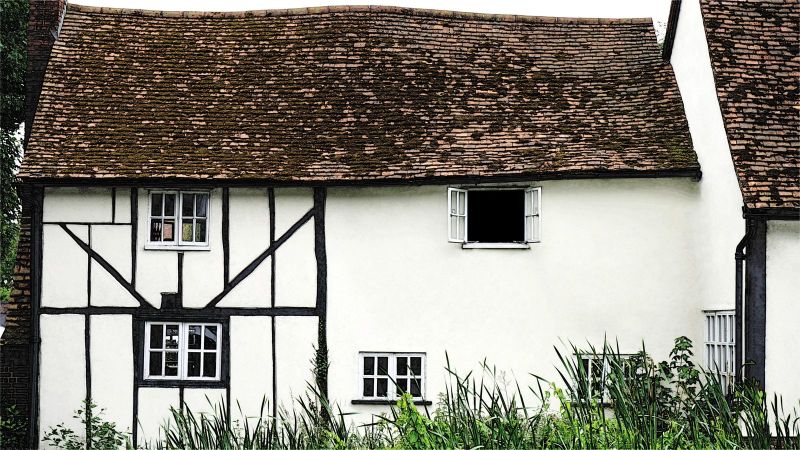
That concentrates damage at three details: the ridge, the verge and the eaves course. Mortar bedding is the recurring casualty, because mortar has no tensile strength and no tolerance for movement. Typical service life here is 20 to 30 years against 30 to 40 in a sheltered position.
Dry fix is the sensible specification. A dry ridge kit costs £45 to £70 per linear metre fitted against £30 to £50 for repointing, but it is mechanically fixed, ventilated, and carries a 10 to 15 year manufacturer warranty. On a 10 metre ridge that is a £200 to £250 premium for a detail that will not need attention for well over a decade.
Tile clipping matters as much. BS 5534 requires mechanical fixing calculated on the site's wind exposure zone, and the downland position at Kings Worthy sits higher than the valley villages. A roof re-tiled without adequate clipping will not be supported by the manufacturer if tiles lift.
Chalk, Flint and What They Mean for Repairs
All three villages sit on chalk, and the traditional building material that comes with it is flint - usually knapped flint with brick quoins and dressings.
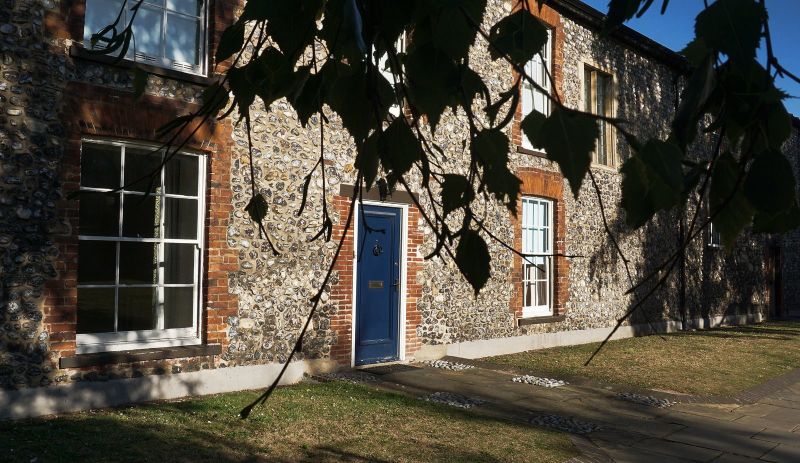
Flint walls interact with roofs in a specific way. The wall head is often irregular, and the eaves and verge details on a flint building rarely have the clean line a modern tiler expects. Verge tiles on a flint gable frequently need bedding rather than a dry verge system, because the substrate is not straight enough for a mechanical trim to sit properly.
Mortar choice matters here too. Flint and brick from before roughly 1919 was built in lime mortar, which is softer than the surrounding material and lets moisture escape through the joint. Repointing in hard cement traps moisture and spalls the brick and flint faces. On any pre-1919 village property, lime is the correct specification for verge bedding and chimney repointing even though it costs more and takes longer to cure.
Chalk also means the ground drains fast, so surface water flooding is rarely the issue it is on clay. What it does mean is that where a downpipe discharges to a soakaway, that soakaway usually works well - so extending a discharge properly away from the building is a cheap and effective drainage fix here.
Deciding Between Repair and Replacement
Age is a poor guide. A well-detailed 70-year-old roof outlasts a badly detailed 25-year-old one.
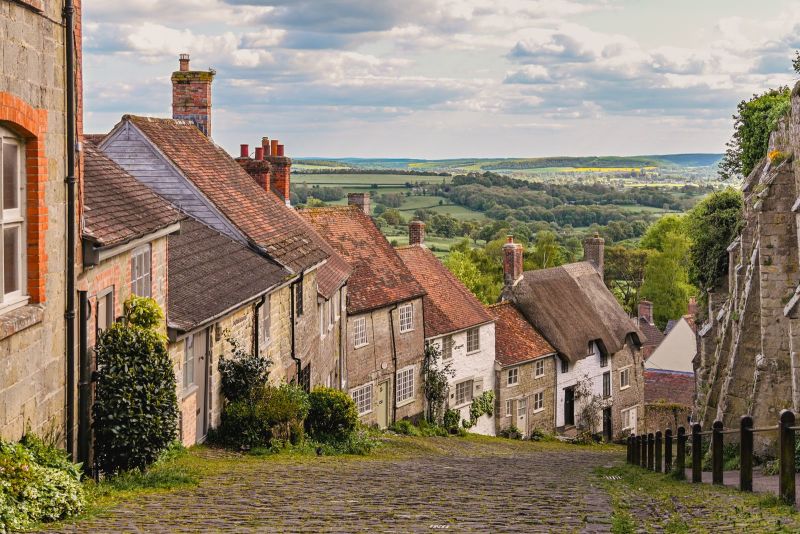
Pattern is the useful test. Faults appearing repeatedly in different places across a slope indicate something systemic - nail sickness, perished mortar throughout, or failed underlay - and patching those is money into a roof at the end of its service life. Faults appearing repeatedly in the same place indicate a detailing error that should be fixed properly once.
On tiled and slated roofs, once you are replacing more than about 15% of a slope each year, re-covering that elevation costs less over five years than continued patching plus repeated scaffold hires.
On handmade peg tile the calculation shifts, because re-tiling is so expensive. Patching a village cottage roof for another decade at £500 to £900 a year is entirely rational against a £20,000 alternative. The trigger for a full strip is the condition of the pegs, laths and torching underneath rather than the number of tiles being replaced. Daylight through the tile joints and debris on the loft floor is the signal.
A roof survey costs £200 to £450 in this area and should include the loft. On a listed building, pay more for someone with conservation experience. We cover the same period-stock questions in our guide to roof repairs in Alresford.
Choosing a Contractor for Village Work
The standard checks: public liability of at least £2 million with the certificate produced, membership of a body such as the National Federation of Roofing Contractors, and two recent local references you actually call.
Three village-specific additions. Ask about scaffold access and highway licensing, because the lanes through Twyford and Kings Worthy are narrow and this needs arranging and pricing rather than leaving to you. Ask what mortar mix they will use on any pre-1919 property, and expect lime to feature in the answer. And ask whether they have worked with handmade peg tile, if that is your covering - a roofer competent on concrete tile can do real damage to a soft historic tile roof without intending to.
Guidance on what needs planning consent in conservation areas is set out on the Planning Portal, and it is worth checking your property's designation before committing to anything beyond like-for-like repair.
Frequently Asked Questions
How much does a roof repair cost in Twyford, Colden Common or Kings Worthy?
On concrete or clay tile, replacing slipped tiles runs £180 to £330 and repointing a ridge line £560 to £1,120. On natural slate, replacing slipped slates is £240 to £480. On handmade clay peg tile it is £280 to £600 because reclaimed matching stock must be sourced. A full re-roof ranges from £7,500 for concrete tile to £30,000 for peg tile.
Do I need permission for roof work in Twyford's conservation area?
Like-for-like repair using matching material generally needs no consent. Changing the covering material, altering the roof shape, or adding rooflights to a street-facing elevation usually does. On a listed building, any work affecting its character needs listed building consent, and carrying it out without consent is a criminal offence.
Why does my Kings Worthy ridge keep failing?
Kings Worthy sits on rising downland with open country and the A34 corridor to the west, so wind run is considerably greater than in the valley villages. Mortar bedding has no tensile strength and lasts 20 to 30 years in that exposure rather than 30 to 40. A dry ridge system at £45 to £70 per linear metre is mechanically fixed and carries a 10 to 15 year warranty.
My concrete tiles have faded and gone mossy. Do I need a new roof?
Usually not. Concrete tiles lose their pigmented surface coating at 25 to 35 years, which makes them porous and moss-friendly without causing leaks. If water is not coming in, the sensible response is moss treatment by hand scraping, a check of valleys and flashings, and monitoring. Avoid pressure washing and be sceptical of spray-on roof coatings.
Ready to work with Roof Repairs Winchester?
Let's connect! We’re here to help.
Send us a message and we’ll be in touch.
Or give us a call today at 01962 462074
Agency Contact Form
More Marketing Tips, Tricks & Tools