Lead Roofing and Leadwork in Winchester: Bays, Valleys, Dormers, and Costs
Lead is the material that keeps a Winchester roof watertight where every other material gives up. On a period or listed home, you'll find it on the little roof over a bay window, lining the valleys where slopes meet, wrapping the cheeks of a dormer, and tucked as soakers around every chimney. It covers maybe 5% of a roof's surface but is behind a large share of leaks, mostly because good leadwork is a genuine craft and bad leadwork fails fast. Winchester is full of it: the city has well over 1,000 listed buildings and whole conservation areas of Georgian and Victorian stock, much of it still carrying original lead that's 80 to 120 years old. Properly made lead lasts 60 to 100 years, while a botched job can leak inside five. This guide walks through the main types of leadwork on a Winchester home, the craft that separates a lasting job from a leaking one, and what it costs in 2026.
Why Winchester Has So Much Traditional Leadwork
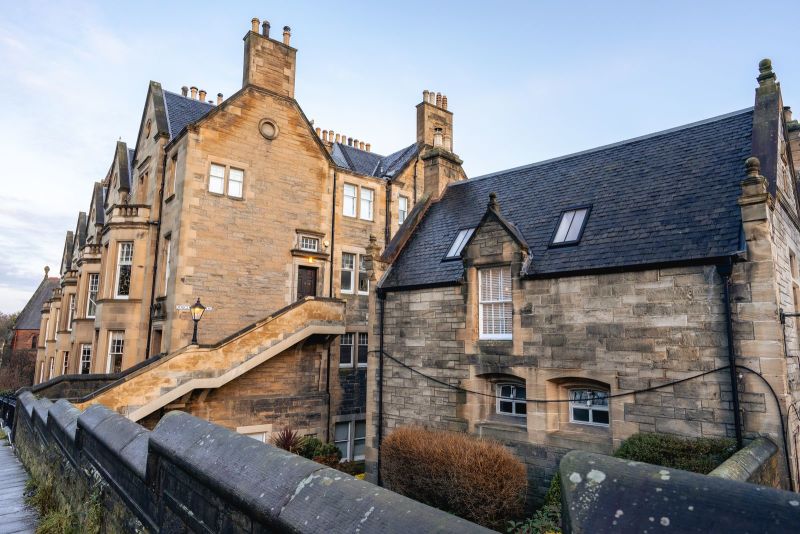
Winchester's building stock is why lead is everywhere here. The Cathedral Close, the streets around St Cross, Winnall, and the Georgian and Victorian terraces off the High Street are dense with pre-1900 homes, and traditional construction leaned on lead for every awkward junction. Roughly 3 in 4 pre-1900 roofs in the city carry lead somewhere, and on listed properties it's often the original.
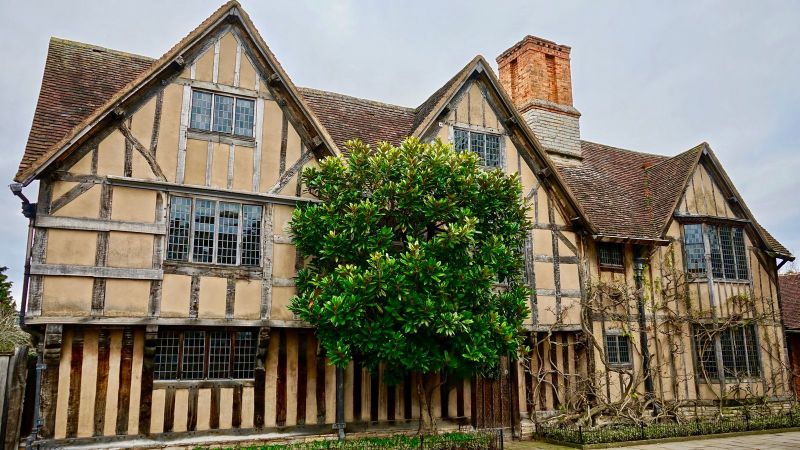
That's a blessing and a problem. Old lead can be beautiful and still perfectly serviceable, but it was often laid in bays that are too long by modern standards, which is why so much of it cracks. Modern practice, set out by the Lead Sheet Association, caps the length of a lead bay precisely because lead moves so much with temperature - and a lot of Victorian lead ignores that.
If you've got damp appearing near a bay, a valley, or a chimney, it's worth getting the lead looked at before anyone starts talking about a new roof. Roof Repairs Winchester handles traditional leadwork across the city as a regular part of the job, and often the fix is a section of lead re-formed properly rather than anything more drastic.
Lead Bay Window Roofs
The little flat or shallow-pitched roof over a bay window is one of the most common pieces of leadwork on a Winchester house, and one of the most commonly botched. It takes a lot of weather for its size, sits over a room people use, and is usually out of sight, so problems go unnoticed until a ceiling stains.
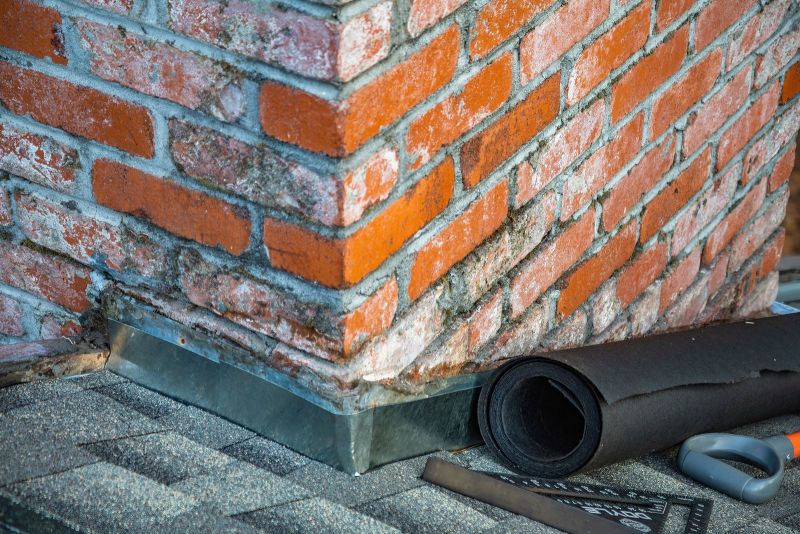
The classic failure is a bay laid in one long sheet. Lead expands and contracts around 2 to 3mm per metre between a frosty night and a hot summer roof, and a sheet that's too long has nowhere to go, so it buckles, then splits along the fold. Good practice keeps each bay of Code 5 or 6 lead to roughly 1.5 to 2.25 metres, joined with proper drips and rolls that let it move. Get that right and a bay roof runs 60 years plus.
As a rough 2026 guide, re-covering a typical bay window roof in new Code 5 lead runs £700 to £1,800 depending on size, the number of drips needed, and access. It's tempting to patch a split with sealant, but on a bay that's usually throwing good money after bad - once lead has fatigue-cracked, it'll keep cracking nearby.
Valleys and Box Gutters
A valley is the internal angle where two roof slopes meet and funnel water toward a downpipe. On older Winchester roofs these are lead-lined, and they carry a huge volume of water, so any weakness shows up quickly. A box gutter - a lead-lined channel behind a parapet or between two roofs - does the same job on flat-fronted Georgian properties and is even less forgiving.
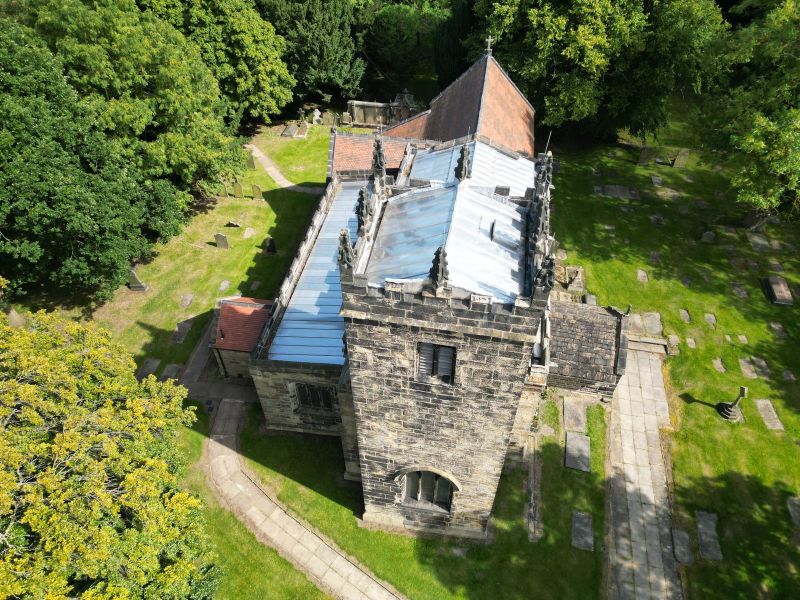
Valleys fail for three main reasons: lead that's too thin or too narrow for the catchment, lead that's been fixed so it can't move and has cracked, and debris that traps moisture against it. Code 4 is the minimum for most valleys, Code 5 for wider ones or shallow pitches. A lead valley strip and replacement runs about £80 to £150 per linear metre, and it's false economy to go thinner than the spec to save a few pounds.
Box gutters need real skill because the lead has to be bossed or welded around internal corners and lapped so water never sits on a joint. A poorly detailed box gutter behind a parapet is one of the worst leaks to chase, because the water can travel some distance before it appears inside. When a box gutter is done right, it disappears and lasts decades; when it's done wrong, it's a recurring nightmare.
Dormer Cheeks and Roofs
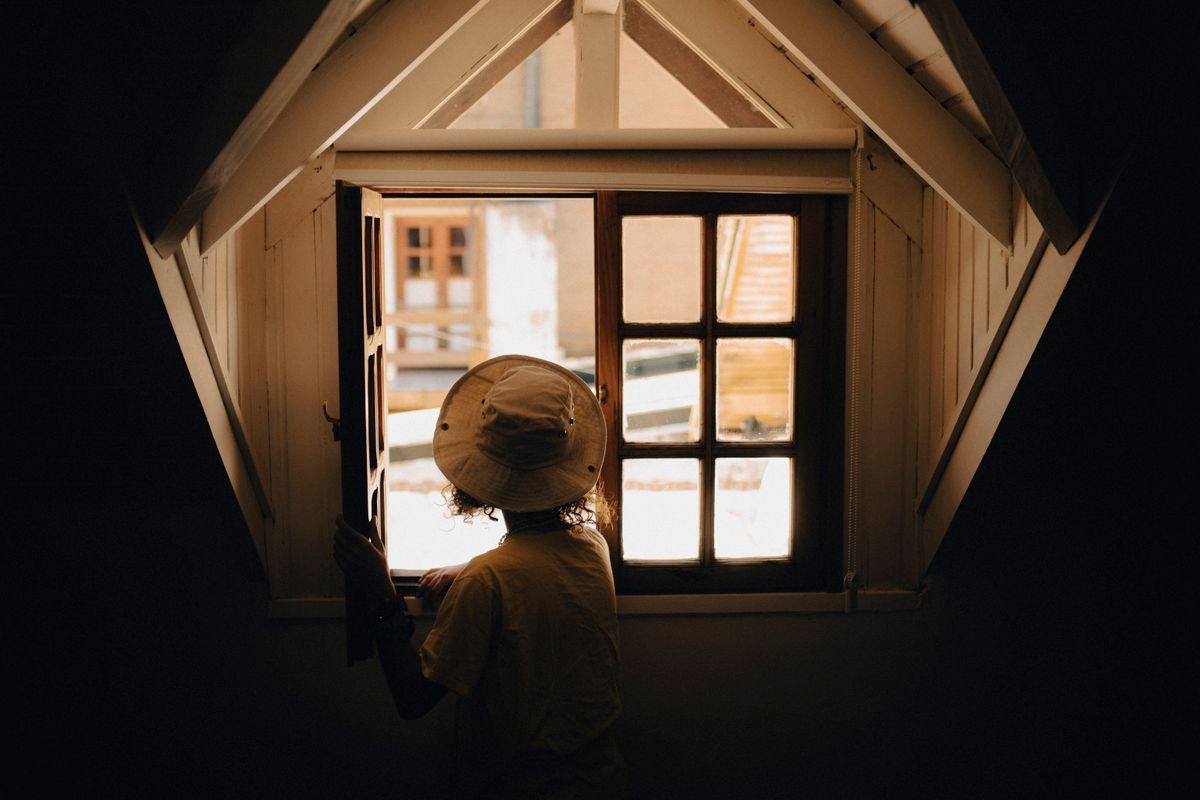
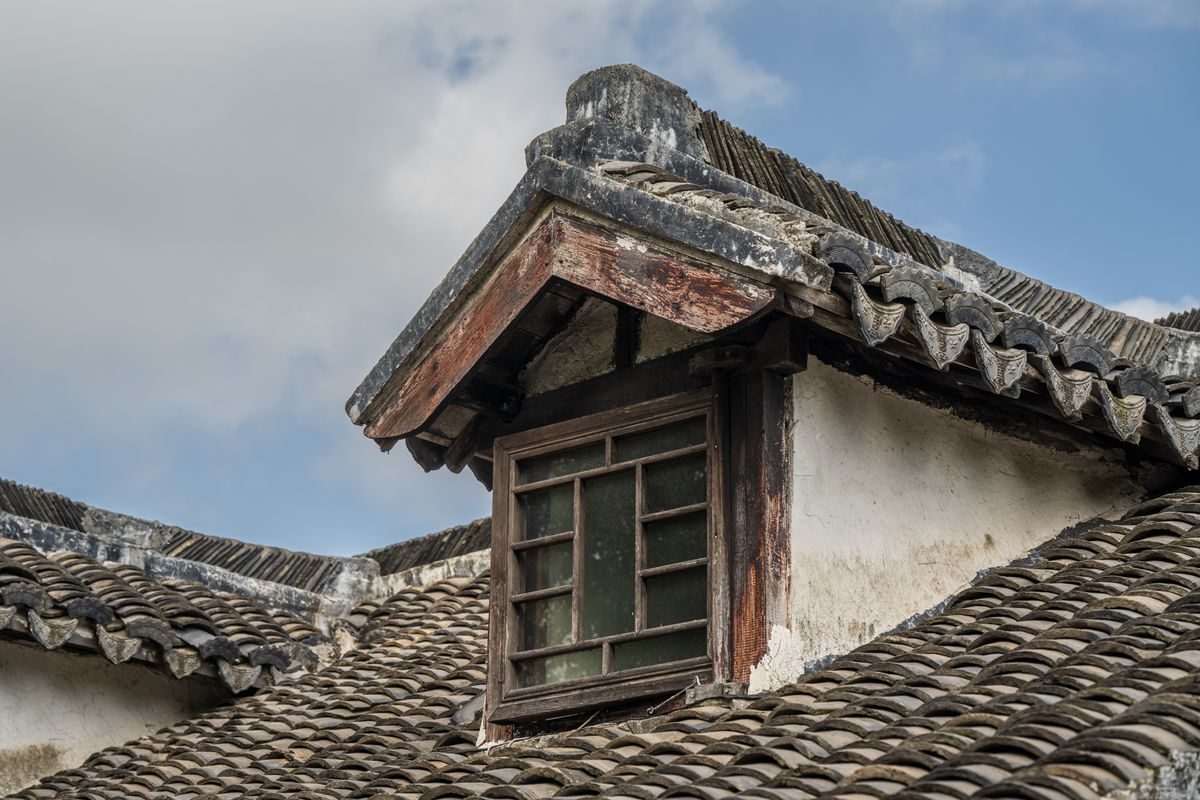
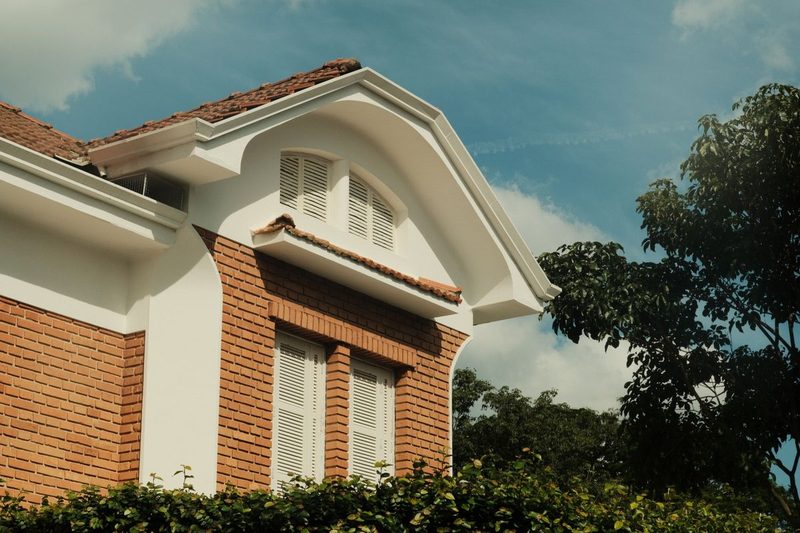
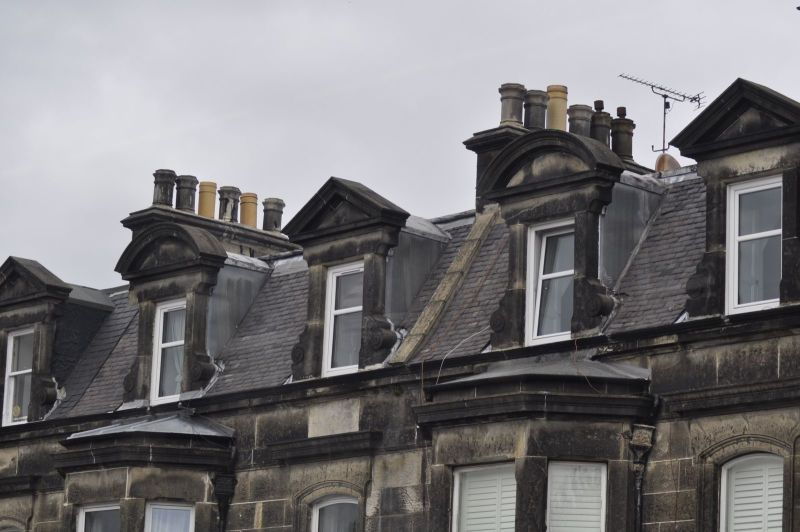
Dormers are lead-heavy by nature. The cheeks (the vertical sides), the small roof on top, and the junctions where the dormer meets the main slope are all traditionally clad or sealed in lead, and Winchester's Victorian and Edwardian roofs are full of them. Because a dormer has so many corners and changes of direction, it exposes a leadworker's skill more than almost anything else.
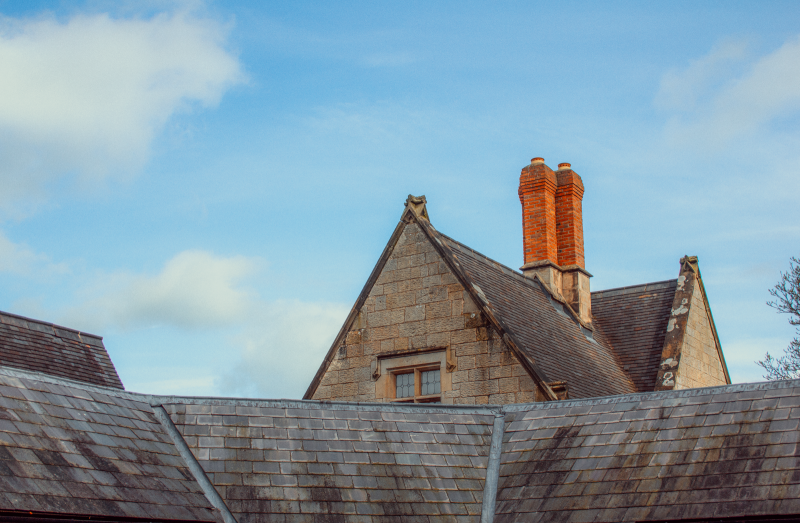
The lead on a dormer cheek should be in short sheets with welts or rolls between them, not one big wrapped sheet, for the same movement reason as everywhere else. Where the cheek meets the main roof, soakers and a proper flashing do the sealing. We see a lot of dormers where someone has clad the cheeks in one long sheet and relied on mastic at the edges - it looks fine for a couple of years, then the mastic goes and the water finds the timber behind.
Recladding a dormer cheek in new lead typically runs £300 to £700 per cheek, and redoing a small dormer roof £500 to £1,200, depending on size and access. Given a dormer sticks out into the weather on all sides, it's worth doing the whole thing properly in one go rather than chasing individual leaks around it.
Chimney Soakers, Flashings, and Stepped Lead
Where a chimney stack passes through the roof, a set of leadwork seals the join: stepped flashings up the sides that follow the mortar courses, an apron across the front, a back gutter behind, and soakers tucked under each tile or slate alongside. It's fiddly, it's high up, and it's the single most common place a Winchester roof leaks.
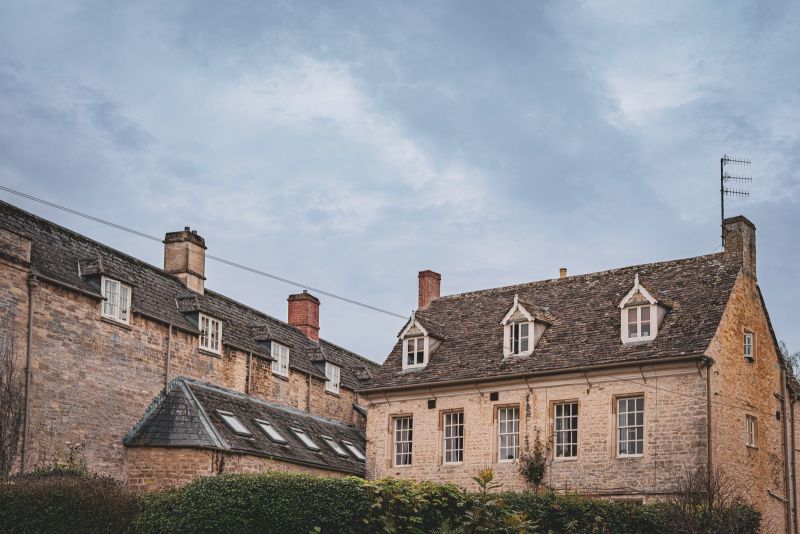
The usual failure is the raggle joint - the slot cut into the chimney's mortar where the top edge of the flashing tucks in. As the mortar weathers out, the lead lifts away and the seal is gone. The right repair is to rake out and repoint the raggle and re-dress the lead back in; the wrong one, which we see constantly, is a smear of mastic or expanding foam that lasts a winter. Soakers are the hidden part - small lead pieces under each tile at the abutment - and when they're missing or corroded you get damp patches that seem to come from nowhere.
A full chimney flashing set in new lead runs roughly £400 to £900 depending on stack size and access, and it's almost always worth doing the whole set at once. Patching one side of a stack while the other three sides are the same age just guarantees another call-out.
Lead Codes, Bossing, and Welding: The Craft
Lead is sold by "code", a number that reflects its thickness - Code 3 is thin, Code 8 is heavy. Roughly, Code 4 suits soakers and small flashings, Code 5 most valleys, flashings and bay roofs, and Code 6 or higher for larger or more exposed work. Using lead that's a code too thin is the commonest corner cut, and it's a false saving because thin lead fatigues and tears years earlier.
Shaping lead is where the real craft lives. Bossing is forming lead over corners and curves by hand with wooden tools, stretching and dressing it without splitting it - it takes years to do well. Lead welding (properly, lead burning) fuses two pieces with a molten joint and is now common on box gutters and complex corners. A good leadworker also finishes with patination oil to stop the white carbonate staining that streaks fresh lead down the brickwork below. These aren't details you'd notice on a quote, but they're the difference between lead that lasts a lifetime and lead that fails early.
Because it's a skilled trade, not every roofer does it well. Formal training exists - the Lead Sheet Training Academy runs the recognised courses in leadwork - and it's a fair question to ask whether whoever's quoting has done any. On a listed Winchester property especially, Historic England's guidance on caring for and repairing historic buildings is worth a look, because getting heritage lead wrong can mean redoing it under supervision.
What Leadwork Costs in Winchester (2026)
Prices move with the size of the job, the code of lead, and how much scaffold and access is involved, but as a 2026 guide for the Winchester area:
Bay window roof, re-covered in Code 5: £700 - £1,800.
Lead valley strip and replace (per linear metre): £80 - £150.
Dormer cheek reclad (per cheek): £300 - £700.
Small dormer roof: £500 - £1,200.
Full chimney flashing set (front, sides, back gutter): £400 - £900.
Box gutter reline: £1,000 - £3,000 depending on length and detail.
Lead itself has also become a real cost - it trades as a commodity, and prices have swung 20 to 40% in recent years, so a quote from last year may not hold. Scaffolding can add £600 to £2,500 depending on the property, and it's often the biggest single line, so always check whether it's included. Get at least three quotes and check they're all specifying the same lead code, because a firm quoting Code 4 and one quoting Code 6 are not offering the same job.
Finding a Skilled Leadworker in Hampshire
Good leadwork is worth paying for and bad leadwork is worse than none, so vetting matters more here than on a straightforward tile job. Ask to see photos of comparable local lead jobs - bays, box gutters, dormers - and ask directly whether they've had any formal lead training. A firm that does a lot of lead will happily talk about codes, bay lengths, and bossing; one that avoids the detail probably subs it out or bodges it.
Check the wider credentials too. The National Federation of Roofing Contractors' advice on choosing a roofing contractor is a solid checklist, and the government-backed TrustMark register of vetted tradespeople lets you confirm a firm has been independently assessed. We've also written in detail about what commonly fails on lead valleys and flashings in Winchester, which is a useful read if you're trying to work out whether your problem is a quick repair or a bigger job.
Above all, be wary of mastic and foam being sold as a lead repair. On any junction that matters, the fix is properly formed lead, dressed and pointed in - anything else is buying yourself another leak in a year or two.
---
FAQ
Q: How long does traditional leadwork last on a Winchester roof?
A: Properly formed and correctly sized lead lasts 60 to 100 years, and plenty of Victorian lead on Winchester's listed and period homes is still serviceable after a century. The key is the right code of lead and short enough bays so it can expand and contract freely - lead moves about 2 to 3mm per metre with temperature. Lead that's been laid in over-long sheets or fixed so it can't move can fatigue-crack and start leaking within five to ten years.
Q: What does lead roofing cost in Winchester in 2026?
A: As a rough guide, re-covering a bay window roof in Code 5 lead is £700 to £1,800, a lead valley is £80 to £150 per linear metre, recladding a dormer cheek is £300 to £700, a full chimney flashing set is £400 to £900, and relining a box gutter is £1,000 to £3,000. Lead is a traded commodity and prices have swung 20 to 40% in recent years, and scaffolding can add £600 to £2,500, so always check both are covered in a quote.
Q: Can lead flashings and valleys be repaired, or do they need replacing?
A: Localised problems - a failed raggle joint, a single split at a fold - can often be repaired by repointing and re-dressing the lead. But lead that's fatigue-cracked across a wide area, or that's gone very thin through oxidation, is usually more economical to replace, because the surrounding lead will keep failing. Patching one part of an ageing chimney or valley while leaving the rest the same age tends to mean another call-out soon after.
Q: Why is skilled leadwork so important on period and listed Winchester homes?
A: Because lead seals every junction a roof can't seal any other way, and forming it well - bossing corners by hand, welding joints, keeping bays short, using the right code - is a genuine craft that takes years to learn. Poor leadwork relying on mastic or over-long sheets fails fast and can rot the timber behind it. On a listed property, heritage lead often has to be repaired to a proper standard, and getting it wrong can mean redoing the work, so it pays to use someone with real lead experience.
---
Ready to work with Roof Repairs Winchester?
Let's connect! We’re here to help.
Send us a message and we’ll be in touch.
Or give us a call today at 01962 462074
Agency Contact Form
More Marketing Tips, Tricks & Tools