Pointing and Mortar Repairs on Winchester Roofs: What Fails and What It Costs
Pointing and mortar on a Winchester roof covers three distinct elements that each fail for slightly different reasons and at different rates: the ridge tile pointing, the chimney stack pointing, and the mortar bedding on hip tiles where the roof has hipped sections. On older Winchester properties - the Victorian terraces and Edwardian villas that make up much of the city's residential stock in areas like St Cross, Winnall, and Badger Farm - this mortar is often original or was last renewed more than 40 years ago. It weathers slowly and invisibly until it reaches the point where water is getting in, at which point the interior evidence (damp patches near chimneys, water staining on ceilings) shows up. The repairs are relatively straightforward; the frustration is usually that they were needed three winters ago and the damage was accumulating in the meantime.
Ridge Tile Pointing
The ridge tiles running along the apex of a Winchester pitched roof are bedded in mortar and pointed at the joints between them. Both the bedding mortar beneath the tiles and the pointing at the joints deteriorate over time through frost cycling, thermal movement, and weathering. Ridge tiles that have been pointed with an excessively hard cement mix (common in roofing work from the 1970s to the 1990s) often crack faster than the original lime-based pointing they replaced, because the hard cement doesn't accommodate the slight movement of the roof structure.
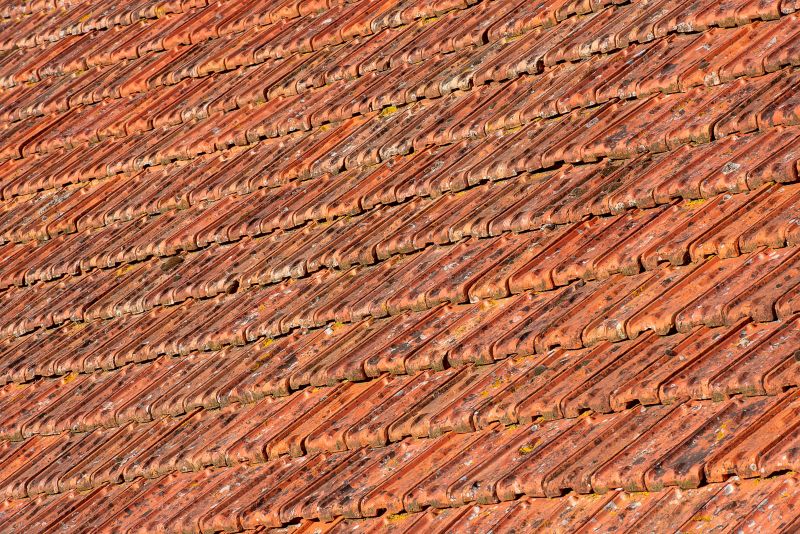
Signs from the ground that ridge pointing needs attention: visible gaps at the joints between tiles, white mortar staining running down the face of the tiles (efflorescence indicating water ingress), or mortar debris on the roof surface or in the gutters.
Chimney Stack Pointing
The chimney stack on a Winchester property is the most exposed piece of masonry on the building - four exposed faces with no shelter from any direction and more temperature cycling than the main walls. Mortar joints on a chimney stack weather significantly faster than on sheltered wall faces, and a stack that was repointed 25 years ago in moderately hard mortar will typically need doing again by now.
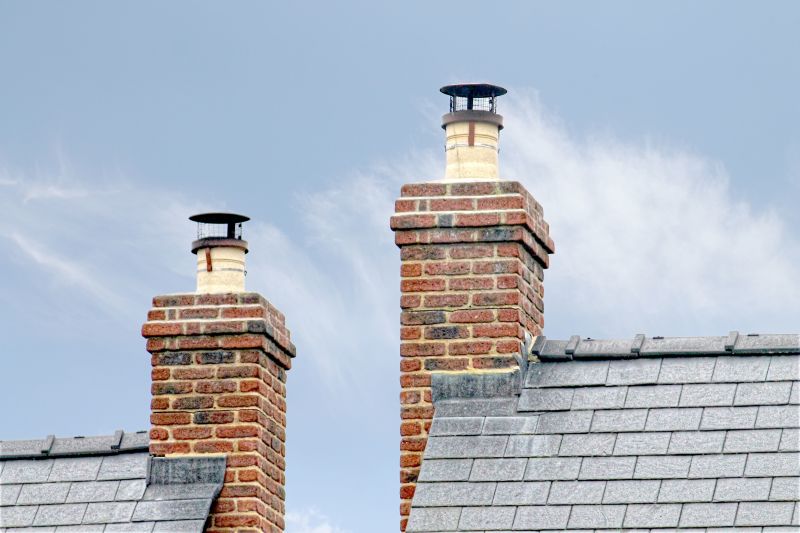
Roof Repairs Winchester approaches chimney repointing with the right mortar specification as the key quality variable. Using mortar that's too hard for the brick type causes the bricks themselves to be damaged rather than the mortar joints - over time this spalls the brick faces and creates a much larger remediation project than a straightforward repoint. The correct specification is a mortar similar in strength or slightly weaker than the brick, with adequate frost resistance for Winchester's climate.
Hip Tiles and Valley Pointing
Hipped roofs - where the roof slopes on all four sides rather than ending in gable walls - have diagonal hip tiles that run from the ridge down to the eaves corners. These are pointed in the same way as ridge tiles and fail for the same reasons. Valley pointing (where two roof slopes meet in a valley) is typically lead-based rather than mortar, but some older Winchester properties have mortar valleys that require periodic maintenance.

We've covered lead valley and flashing repairs in Winchester in detail elsewhere, and the decision about whether a valley is best addressed as a mortar repair or converted to a lead-lined valley depends on the extent of existing deterioration and the long-term maintenance outlook.
What Proper Repointing Involves
A proper repointing job on a Winchester roof involves raking out the deteriorated mortar to a depth of at least 15-20mm (not just scoring the surface), cleaning the joint faces, and applying new mortar to the correct profile. Flush or slightly recessed pointing that directs water away from the joint is correct; raised or 'strap' pointing that protrudes above the masonry surface collects water and fails faster.
The mortar itself needs to match the existing masonry in strength. For Winchester's Victorian brick work (typically a moderately soft handmade or stock brick), a weak lime/cement mix (3:1:12 or 4:1:12 cement:lime:sand) or a gauged lime mortar is appropriate. Strong modern cement mortars on soft Victorian brick will crack the bricks.
What Pointing Repairs Cost in Winchester
For a typical Winchester semi-detached or terraced property:
- Repoint ridge tiles (full ridge): £200-£450 depending on length and access
- Repoint chimney stack (all four faces): £200-£450 depending on stack height and extent
- Hip tile repointing: £150-£350 depending on hip length
- Combined package (ridge + chimney at same access): £350-£750
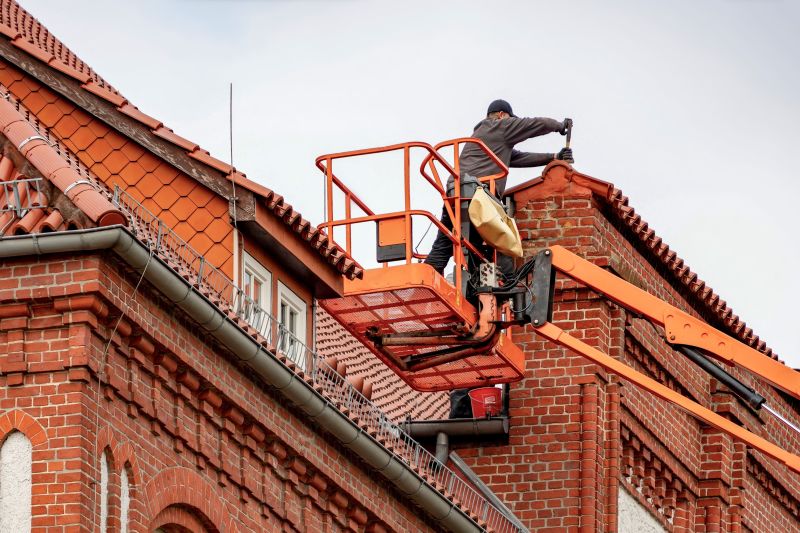
Access (scaffold or tower) represents a significant proportion of the total cost for any roofline work - typically £150-£300 for standard access. Combining ridge and chimney repairs in a single access visit reduces the overall cost compared to two separate jobs.
FAQ
Q: How do I know if the pointing on my Winchester roof needs attention?
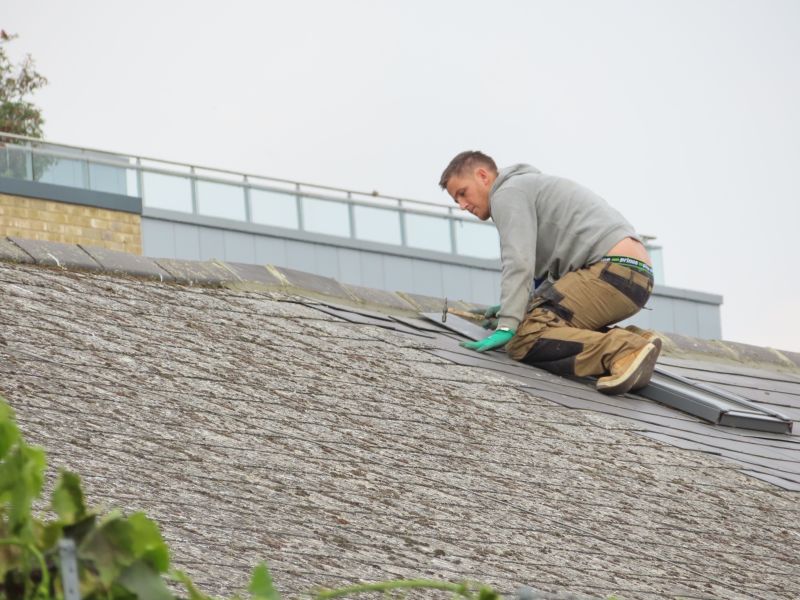
From the ground with binoculars: visible gaps between ridge or hip tiles, white staining running down tile faces (efflorescence), mortar debris in gutters, or damp patches inside near chimneys. A roofer's close inspection from access height gives a definitive assessment.
Q: Why is the right mortar specification important for Winchester chimneys?
Winchester's older properties often have soft Victorian or Edwardian brick. Using mortar that's stronger than the brick causes the brick faces to spall rather than the mortar joints to erode - converting a straightforward repoint into a more serious repair. The mortar should match or be slightly weaker than the brick it's bedded in.
Q: How long does roof pointing last in Winchester?
A properly specified repoint using the correct mortar strength should last 20-30 years. Work done with incorrect mortar specification can fail within 5-10 years, particularly if excessively hard cement was used on soft Victorian brick.
Q: Do ridge and chimney repairs need scaffolding in Winchester?
Safe working at height on a two-storey Winchester property requires proper scaffold access - a tower or erected scaffolding. Work from a ladder at height is not appropriate for sustained mortar work. This access cost is part of any legitimate quote.
Q: Is it worth combining ridge and chimney repointing in Winchester?
Yes - both require the same scaffold access, so combining them in one visit significantly reduces the total cost compared to two separate jobs. If either is approaching the point of needing attention, it usually makes sense to check the other at the same time.
Q: Can I repoint roof tiles myself in Winchester?
Roof work at height requires safe access, appropriate tools, and knowledge of the correct mortar specification. For a two-storey Winchester property, this is not a DIY job - the access requirements alone make it a contractor's task.
Ready to work with Roof Repairs Winchester?
Let's connect! We’re here to help.
Send us a message and we’ll be in touch.
Or give us a call today at 01962 462074
Agency Contact Form
More Marketing Tips, Tricks & Tools