Moss and Algae on Winchester Roofs: What Causes It and When It Becomes a Problem
Moss and algae on roof tiles is one of the more visible signs of a roof's age in Winchester, and it prompts questions that don't have straightforward answers. Does it actually cause damage? How urgently does it need to be dealt with? Is a "roof cleaning and treatment" worth having done? The honest answers are: it depends, not particularly urgently for most cases, and sometimes - but the treatment market contains a lot of contractors whose claims about urgency and damage are significantly overstated. Winchester's position in the Hampshire chalk downs, with its relatively high humidity and the moisture retained by the mature trees common in its residential areas, does create conditions where moss establishes readily. But moss on a roof and moss that's actively damaging a roof are different things.
What Moss and Algae Actually Do to Roof Tiles
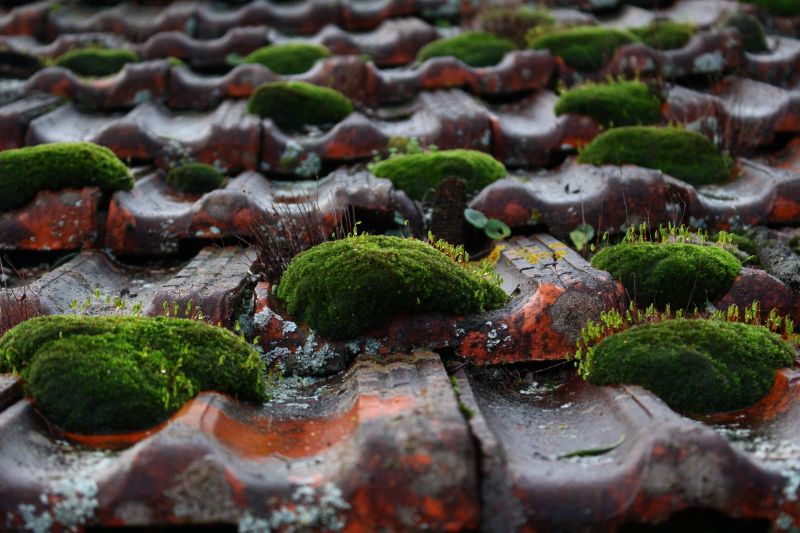
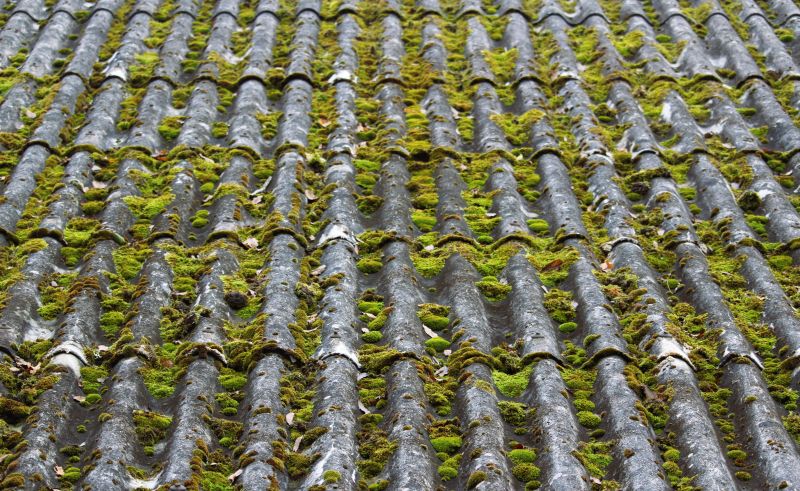
Moss is a plant that roots into the surface of porous materials - concrete and clay tiles, mortar, and occasionally the edges of slate. As it grows, its root structure can gradually work into small surface cracks and, over time, widen them through freeze-thaw cycling. Algae is a surface film rather than a rooted plant - it discolours the tile surface and retains moisture, but doesn't root into the material in the same way.
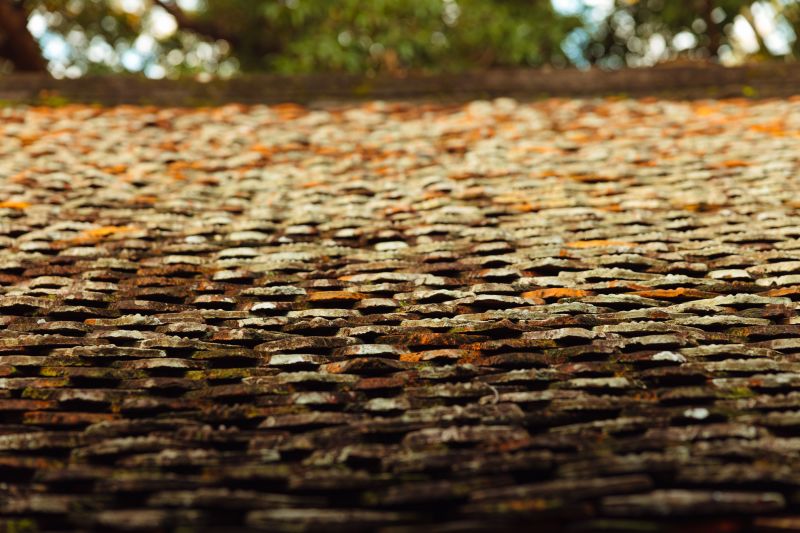
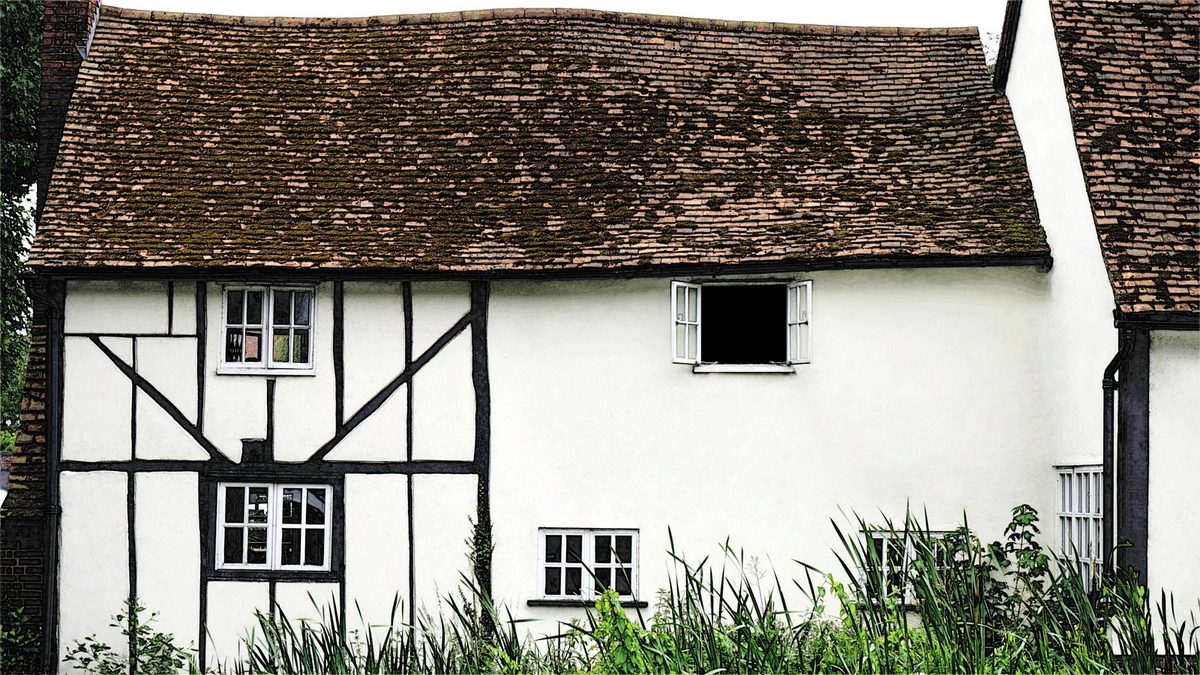
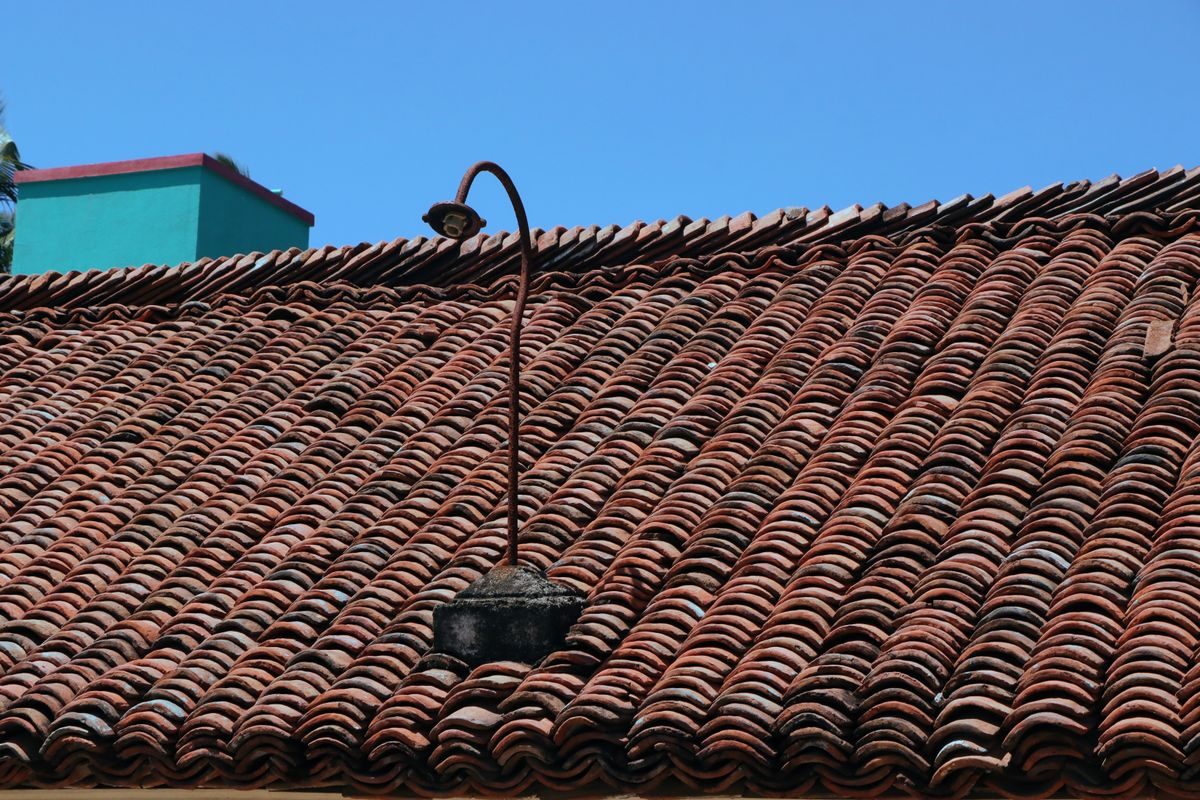
The practical impact on concrete tiles - the most common covering on post-war Winchester properties - is modest over a short timeframe but cumulative over decades. Concrete tiles are porous and moss can accelerate surface degradation on tiles that are already near the end of their useful life. On clay tiles - more common on older Winchester properties, particularly in conservation areas around the city centre - the impermeability of good clay makes moss less of a structural concern and more of an aesthetic one.
On slate, moss typically roots into the mortar at the tail end of slates rather than into the slate itself. This is worth addressing where it's causing the bedding mortar to deteriorate, but the slate beneath is generally unaffected.
When It's Actually Worth Treating
Roof Repairs Winchester is asked about moss treatment regularly, and the advice depends on the context. A roof with a light coverage of algae and surface moss on tiles that are otherwise in good condition, on a property that isn't being sold, doesn't need urgent treatment. Left untreated, the moss will continue to grow slowly - but the rate of tile degradation attributable specifically to the moss is small relative to the general aging of the material.
Treatment makes more practical sense when:
- The roof is being inspected for a property sale or purchase and appearance matters
- Moss growth is heavy enough that it's blocking water drainage at the lower tile courses, causing water to pool
- The underlying tiles are already showing age-related porosity and the moss is accelerating surface breakdown
- Ridge or pointing mortar is being disrupted by heavy root growth at the ridge line
A biocide spray - applied correctly and allowed to kill the moss over several weeks before it's rinsed or brushed off - is the appropriate treatment approach. High-pressure washing alone is not recommended, as it can force water under tiles, dislodge poorly seated slates, and damage already-fragile mortar.
We've covered lead valley and flashing repairs in Winchester elsewhere - and a roof treatment survey is a reasonable occasion to check these details at the same time, since access is needed for both.
What to Be Cautious About
The roof cleaning and treatment sector in Winchester, as elsewhere, contains contractors whose sales approach involves overstating the damage from moss and the urgency of treatment. A roof that "needs treating urgently" to prevent tile failure within two years is rarely the reality on a property where the underlying tiles are in reasonable condition. If a contractor's assessment focuses primarily on cosmetic appearance rather than structural condition, it's worth getting a second opinion from a roofer who can also assess the tile, mortar, and flashing condition objectively.
Treatment costs vary widely - expect £300-£800 for a typical Winchester semi-detached roof survey and biocide treatment, depending on access, roof size, and the extent of moss coverage.
FAQ
Q: Does moss on a Winchester roof cause structural damage?
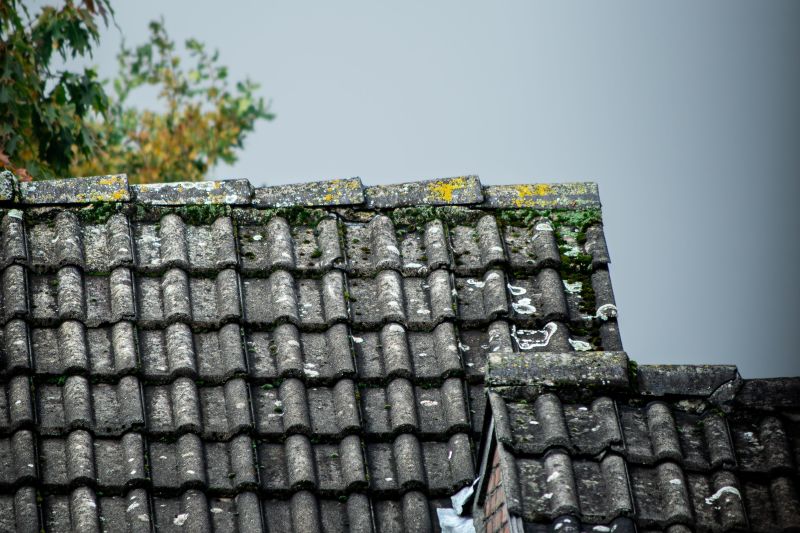
Over time it can accelerate surface degradation on porous concrete tiles, and heavy root growth can disturb ridge mortar. On clay tiles and slate, the structural impact is generally minor. The urgency is often overstated - moss on a well-maintained roof is an aesthetic issue more than a structural emergency.
Q: What's the best way to remove moss from a Winchester roof?
A biocide spray applied to kill the moss, then allowed to weather off naturally or rinsed after several weeks. High-pressure washing is not recommended - it can dislodge loose tiles and force water under the roof covering.
Q: Does treating roof moss in Winchester require planning permission?
No - routine moss treatment is maintenance and doesn't require planning permission. If the property is listed or in a conservation area and any repair work is associated with the treatment (such as re-bedding ridge tiles), check whether consent is needed for that work.
Q: How long does moss treatment last on a Winchester roof?
A quality biocide treatment prevents re-establishment for typically three to five years before reapplication is needed. Properties under heavy tree cover or in damp positions may see re-establishment faster.
Ready to work with Roof Repairs Winchester?
Let's connect! We’re here to help.
Send us a message and we’ll be in touch.
Or give us a call today at 01962 462074
Agency Contact Form
More Marketing Tips, Tricks & Tools